
What the day feels like
Morning in Aspen comes on crisp and clear, the mountains standing guard like old friends with stories they’re ready to tell. You swing a leg over your bike at the edge of downtown—no rental lineup today, just your own wheels rolling easy—and fall in with a small group heading into the quiet grid of the West End. It’s a casual, 2‑mile loop with a guide who knows the streets like a favorite book. The pace is unhurried; the air is high and clean; and the town reveals itself block by block, porch by porch.
This one‑hour cruise is less about mileage and more about orientation—an easy-going way to get the lay of the land in a place where every avenue points toward a postcard view. Victorian homes blink awake behind white picket fences. Cottonwoods lift their green (or in fall, electric gold) crowns and wave you forward. The Roaring Fork River whispers along the edge of town, daring you to come back later with a picnic. The thin air nudges your lungs to pay attention, but the gentle terrain keeps it friendly: this is a warmup, a welcome, a soft handshake from a mountain town that’s used to big days, big rides, and big snow.
With a guide leading the loop, you learn the town’s lines. Aspen’s past isn’t just in the museums; it’s etched into the streets. The city was founded as a silver mining boomtown in the late 19th century, renamed from Ute City to Aspen in 1880. Those stately homes you’re coasting past? Many date to the mining era, their detailed trim and sturdy frames a reminder that fortunes used to rise and fall here as quickly as the sun behind Smuggler Mountain. This leisurely ride weaves a little of it all—architecture, river corridors, mountain silhouettes—into a short, digestible circuit.
To the west, the broad shoulder of Red Mountain catches the light. To the south, the Elk Range pulls the skyline tight, hinting at the serrated masterpiece of the Maroon Bells just up the road. You’re not heading to the high country today, but the peaks make their presence felt; they stand there with quiet authority, setting the tempo. Aspen’s streets roll beneath you, the pavement humming and the breeze passing notes. Along the Rio Grande Trail spur, the river keeps you honest—its current nudges north, as if to say, keep moving, keep exploring. Your guide points out the John Denver Sanctuary, a calm bend in the flow perfect for an off‑bike pause later.
This ride is a smart first step for new arrivals. The elevation—nearly 8,000 feet—trims the edges of even an easy spin, and this short tour acclimates you without sapping your legs. You’ll learn shortcuts worth keeping, like the quieter side streets that link downtown to the West End and the mellow connectors that pull you toward the parks. You’ll get strategy, too: where to cross Main Street safely, how traffic ebbs with the day, and which lanes to follow when you want out‑and‑back river time without mixing with cars. Better yet, you’ll pick up local intel on where to go next—from the family‑friendly stretch of the Rio Grande Trail to a coffee stop that hits exactly right after a ride.
And because Aspen loves its seasons, each lap through town wears a different mood. Spring delivers the first poplar leaves and the river running high. Summer opens the deck chairs and patios, with buzz from the Music Tent drifting over the neighborhood like a note on the wind. Fall turns the canopy gold and makes every block a panorama. Winter steals the crowds to the slopes and leaves the streets quiet under bluebird skies.
Bring your own bike—cruiser, commuter, e‑bike, whatever rolls well for you—and expect a guided hour that trades sweat for insight. The point isn’t to knock out miles; it’s to feel the cadence of Aspen and log the little landmarks that will anchor your stay. Curious about other ways to connect with this place? Tap into advice from trusted <a href="https://app.advcollective.com/local-experts/undefined" target="_blank" rel="noopener">local experts</a> who live and ride here. They’ll tell you where the pavement meets the path, which turns link to views, and what to chase after lunch.
For the detail‑minded: this is two easy miles, mostly flat with soft rollers and clean pavement. Helmets are a must. Tires at mid‑pressure will feel confidence‑inspiring on city streets. A single water bottle is plenty, though you’ll want a second on a hot day. Sunscreen is non‑negotiable at this elevation. Expect lots of stops for quick stories and orientation—your guide’s knowledge is part of the ride. Questions are encouraged: where to rent a bike if you didn’t bring one, whether e‑bikes are street‑legal (they are on city streets; stay mindful of local rules for multiuse paths), and how to stretch this into a longer afternoon.
By the end, you’ve traced a snapshot of Aspen—its mining bones, its river spine, its mountain backdrop. The town doesn’t shout; it nods, invites, and keeps you moving. Back at the start, you’re not done—you’re launched. Maybe you’ll roll straight to the Rio Grande Trail for a longer spin, or park the bike and sample a patio lunch. Either way, you’ve got the map in your legs now. That’s the charm of a simple loop guided by someone who knows the rhythm here. Aspen opens the door. You pedal through, and the day decides what comes next.
If you want to deepen the experience, consider tapping more guidance from seasoned <a href="https://app.advcollective.com/local-experts/undefined" target="_blank" rel="noopener">Aspen guides and local experts</a>—they’ll help you turn this warmup into a week of smart, satisfying rides.
Trail wisdom
Small choices, better day.
Acclimate at Altitude
At nearly 8,000 feet, even an easy ride can feel punchy. Sip water before and during the cruise, and keep your pace conversational.
Check Your Bike Before You Roll
Confirm tire pressure, brakes, and helmet fit. A quick ABC (Air, Brakes, Chain) check keeps this smooth and stress-free.
Ride the Right Line
Follow your guide’s cues for lane positioning and crossings. Aspen’s side streets and bike lanes make the route comfortable when used smartly.
Sun Smart at High Elevation
Apply SPF 30+ and wear sunglasses; UV exposure is stronger here and reflected glare can sneak up on you.
Local knowledge
Read the place, not just the route.
Watch for native species including American dipper along the Roaring Fork, Mule deer browsing near quiet lawns at dawn or dusk.
Keep an eye out for wildlife during the transition between areas and habitats. Respect distance guidelines.
Stay on designated streets and paths, yield to pedestrians, and avoid disturbing riverbanks—Aspen’s urban-nature edges are sensitive and heavily used.
Follow the guide's instructions on size limits, ethical handling, and leave-no-trace practices.
John Denver Sanctuary for a quiet riverside pause after the ride. Side streets of the West End for classic Victorian architecture and shade
Locally recommended viewpoints and quiet spots known best to local operators.
Aspen began as a silver mining town in the late 1800s, originally called Ute City and renamed Aspen in 1880, with many Victorian homes dating from that era.
Maritime roots and regional tradition shape the waterways and working coasts.
Seasonal guide
Four versions of the same landscape.
Spring
Best forCool temperatures · River views
ChallengesVariable weather · Occasional wet pavement
Expect crisp mornings, rising water levels on the Roaring Fork, and quieter streets before summer crowds arrive.
Summer
Best forWarm, long days · Patio stops
ChallengesMidday heat · Heavier traffic in peak weeks
Prime time for a mellow morning or early evening cruise; plan around afternoon thunderstorms.
Fall
Best forGolden aspens · Cool, steady air
ChallengesShorter daylight · Chilly mornings
Aspen’s namesake trees turn the town into a color tour—layer up for brisk starts and soak in the views.
Winter
Best forBluebird skies · Quiet streets
ChallengesIcy patches · Cold temperatures
If roads are dry, a mid-day spin can be pleasant—dress warm and avoid shaded, slick sections.
Pack with intention
What to bring.
Good to know
Common questions.
Yes. This is a BYOB (bring your own bike) guided ride. If you don’t have one, local shops in Aspen offer rentals—reserve ahead in peak season.
Plan the edges
The details that make the day easier.
The Rio Grande Trail runs about 42 miles from Aspen to Glenwood Springs along a former Denver & Rio Grande Western Railroad corridor.
Post-ride, grab a cone at Paradise Bakery or a pint at Aspen Brewing Company’s taproom. For a relaxed bite, The White House Tavern serves satisfying sandwiches, and the John Denver Sanctuary offers quiet space to unwind by the river—a perfect cool-down stroll.
- Closest airport
- Aspen
- Pitkin County (ASE). Meeting point
- provided in booking confirmation, typically near downtown. Driving: 5–10 minutes from most in-town lodging. Cell service: generally reliable in town. Permits: none required for city riding; follow local bike laws and path rules.
Stick to designated bike lanes and streets, yield to pedestrians on shared paths, and pack out any trash. Aspen’s river corridors and pocket parks are heavily used—tread lightly to keep them thriving.
Explore by topic
Follow the threads.
Keep exploring
Make the story part of the trip.
In four hours you can move from shaded canyon ferns to wind-scoured coastal ridgelines, guided by someone who knows where the light—and the hidden views—live. This private half-day hike on the Monterey Peninsula or Big Sur is compact, curated, and perfect for travelers who want depth without a multiday commitment.
 Related story
Beneath a sky of shifting light, Skaftafell’s ice reads like a map of time. This three-hour guided glacier hike mixes technical instruction with geology and culture: compact, safe, and unforgettable.
 Related story
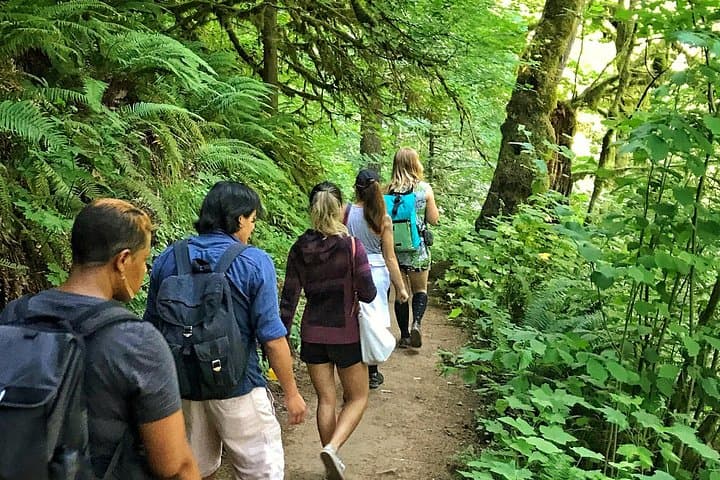
Lose the city for a few hours without leaving it: this 5-mile, 900-foot-gain Forest Park loop threads old-growth pockets, city viewpoints, and cultural landmarks for a compact taste of Portland’s wild side. Expect moss, roots, and stories.