
What the day feels like
The van climbs through a ribbon of green—Skyline Drive—where the hills on St. Thomas fold into each other like pages of an old atlas. At 1,500 feet, Mountain Top is a little altar of breeze and turquoise; you stand there and the Caribbean stretches away in impossible gradients, each bay a different promise. You can feel the wind tugging at your hat, the sea pulling at your attention. This is the beat of a 2-day tour that wants you to see the best parts of two islands quickly but cleanly: lookouts, a plantation ruin, a national-park beach with a coral garden, and the small human stories threaded through all of it.
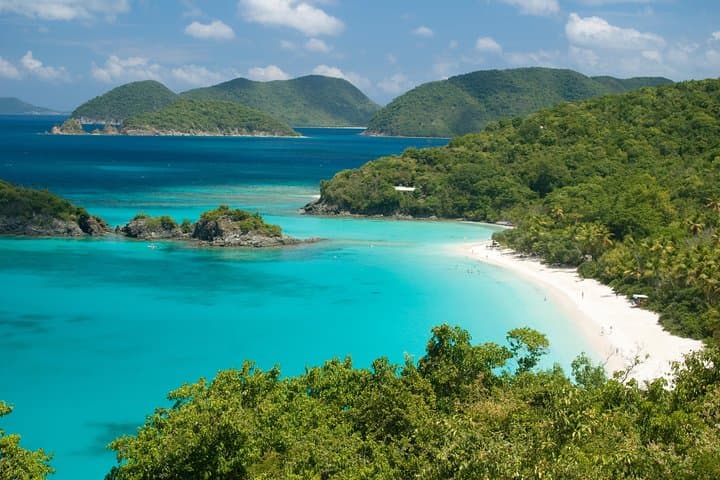
Over two days and roughly 48 hours on the itinerary, the trip traces a quick arc from the colonial past to the present play of sea and shore. On St. Thomas, Drake’s Seat and Mountain Top are scenic bookends—short walks, low exertion, and enormous payoff. From those heights you can read the islands’ geology: uplifted limestone and volcanic soil, pockets of laterite, and coral reefs pressed into the shallow bays below. Down on the shore, Trunk Bay on St. John is a different kind of theater—white sand, a submerged snorkel trail, and reef heads busy with parrotfish and wrasse. There’s a small, exacting pleasure to snorkeling there; the water dares you closer, then lets you peer into a world that quietly defies the land’s loudness.
Between the viewpoints and the beach, the tour stops at Annaberg Sugar Plantation. The stone ruins—and the interpretive signs—keep a sparest kind of company with the palms. They’re reminders that these islands carry a complicated human story: Danish colonial rule, the sugar economy, enslaved labor, and eventual emancipation. That history is not an exhibit in a vacuum; it shapes the scent of the place, its architecture, and its people. Local guides on the tour will weave context into the route: where roads were cut, how the plantation’s walls captured the sun, and how the National Park now protects large parts of St. John.
Practicalities are part of the romance here. The tour is instant-confirmation and runs as a multi-day loop: scenic drives and short walks on St. Thomas, then a ferry hop to St. John for Trunk Bay, a snorkeling stop, and a walk among plantation ruins. Terrain is easy to moderate—paved overlooks, beach sand, and compact dirt at historic sites. Fitness expectations are reasonable: you won’t be hauling a pack up a mountain, but you will be walking on uneven ground and in sand.
What makes this trip sing is the variety. One minute you’re tracing coral with a snorkel and the next you’re tracing history across broken sugar mills and stone chimneys. Between those beats there are meals—roti, fish, and the steady presence of rum punch—and small local economies humming: a ferry operator, a park ranger, a beach stand selling cold drinks. The insider benefit of a guided tour is the timing; you spend less time figuring out ferries and parking and more time actually experiencing the islands.
For planning: aim for dry months (December–April) when seas are calmer and snorkeling conditions ideal. Go early to Trunk Bay to beat crowds and have clearer water. Bring reef-safe sunscreen, a lightweight snorkel set if you own one, and a small daypack for water and a towel. Carry small bills; park or beach fees are collected locally. Cell service is fine in towns but patchy in the park—plan for that; download maps or have the tour operator’s contact info saved.
A two-day sweep like this isn’t a deep dive into any one corner, but it’s a smart shortcut to the islands’ essentials: the lift of lookouts, the hush of coral gardens, and a human story anchored in both labor and liberation. It’s for people who want the tactile mix of easy hiking, good snorkeling, scenic driving, and a taste of local culture without fuss. In 48 hours the islands do what islands do best: they rearrange priorities. You go for a beach and come home with a handful of sketches, a reef-stung pair of eyes, and the persistent salt on your shirt reminding you of how easy it is to fall in step with the sea.
Trail wisdom
Small choices, better day.
Bring reef-safe sunscreen
Protect coral and your skin—use reef-safe sunscreen and apply before arriving at the beach to avoid spreading lotion in the water.
Arrive early to Trunk Bay
Morning light and smaller crowds make snorkeling better and parking easier at this popular beach.
Pack a small dry bag
Keep your phone, cash, and a light layer safe from splash and sand during boat and beach time.
Carry small bills for fees and tips
Park and beach entrance fees, ferry tickets, and casual purchases are easier with cash on hand.
Local knowledge
Read the place, not just the route.
Watch for native species including Green sea turtles, Brown pelicans.
Keep an eye out for wildlife during the transition between areas and habitats. Respect distance guidelines.
Much of St. John is protected as Virgin Islands National Park; visitors are asked to use reef-safe products, avoid stepping on coral, and pack out what they bring in.
Follow the guide's instructions on size limits, ethical handling, and leave-no-trace practices.
Honeymoon Beach (St. John) for a quieter swim away from Trunk Bay. Scenic pullouts on Skyline Drive for short, uncrowded views and quick photo stops
Locally recommended viewpoints and quiet spots known best to local operators.
Annaberg and other plantation ruins on St. John date to the Danish colonial era and illustrate the islands’ sugar plantation economy and the history of enslaved labor.
Maritime roots and regional tradition shape the waterways and working coasts.
Seasonal guide
Four versions of the same landscape.
Spring
Best forLower crowds · Calmer seas · Birdwatching
ChallengesOccasional showers · Early spring surge in pollen
Late spring brings warming seas and fewer visitors than high winter season—good for snorkeling and quieter beaches.
Summer
Best forWarmest water · Extended daylight · Snorkeling visibility on calm days
ChallengesHigher humidity · Possibility of tropical storms · More intermittent showers
Summer is hot and vibrant; sea temperatures are ideal but watch for afternoon squalls and hurricane season considerations.
Fall
Best forFewer tourists · Pleasant sea temps · Lower prices
ChallengesStart of hurricane season (Sept–Nov) · Variable weather
Fall offers lower crowds and good water temps, but plan with flexible travel dates because of seasonal storms.
Winter
Best forStable weather · Calm seas · Peak visibility for snorkeling
ChallengesHigher prices · Bigger cruise-ship crowds at popular spots
Winter is peak season for clear skies and calm seas—ideal for first-time visitors, but expect more tourists and higher rates.
Operator details
What the booking data adds.
Included
- ✓Hotel pickup and drop-off
- ✓Pick-up at both cruise ports in St. Thomas
- ✓National park fees
- ✓Local driver/guide
Not included
- —Alcoholic drinks (available to purchase)
- —Lunch & Additional food and drinks
- —Gratuities - recommended
- —Magen's Bay Beach
- —Round-trip ferry tickets to St. John
Good to know
- ✓Public transportation options are available nearby
- ✓Infants are required to sit on an adult’s lap
- ✓Not recommended for travelers with spinal injuries
- ✓Not recommended for travelers with poor cardiovascular health
- ✓Travelers should have at least a moderate level of physical fitness
- ✓Ferry tickets to and from St. John are not included in this tour's cost and are available for purchase at the dock.
- ✓Please note: Tour schedules are subject to change based on local traffic conditions and cruise ship arrival/departure times.
- ✓Minimum drinking age is 18 years
- ✓Moderate amount of walking involved, please wear comfortable shoes.
- ✓Children must be accompanied by adults. Child rate applies only when sharing with 2 paying adults
- ✓This tour operates with a minimum of four guest cancellation notice will be given 24 hours in advance
- ✓Before getting in the vehicle after your beach time, make sure you're clean of sand and wearing dry clothes.
- ✓May be operated by a multi-lingual guide
- ✓Minimum of 2 adult guests per booking is required. Possible cancellation after confirmation if there are not enough passengers to meet tour guests requirement. In the event of this occurring, you will be offered an alternative or a full refund.
- ✓Please advise any specific dietary requirements at time of booking
- ✓Please note: Tour schedules are subject to change based on local traffic conditions and cruise ship arrival/departure times.
Pack with intention
What to bring.
Good to know
Common questions.
No—if you are a U.S. citizen traveling between St. Thomas and St. John, both U.S. Virgin Islands, you do not need a passport; non-U.S. citizens should check entry requirements.
Plan the edges
The details that make the day easier.
Virgin Islands National Park protects nearly 60% of St. John, preserving beaches, trails, and historic plantation sites for public use.
After a day on the trail or beach, head to Charlotte Amalie’s waterfront for casual island plates—fresh fish, conch fritters, and rum-forward cocktails—and to Cruz Bay on St. John for low-key seafood shacks and live-music bars where locals gather.
- trailhead
- Cyril E. King Airport (STT) on St. Thomas; Driving distance: ~20–30 minutes from STT to key lookouts; Ferry: Red Hook to Cruz Bay ~15–25 minutes; Cell service: Good in towns, spotty in park; Permits
- fees
- Small entrance fees at Virgin Islands National Park beaches (e.g., Trunk Bay); Confirmation: Instant; Cancellation: Free cancellation available.
This tour visits Virgin Islands National Park and fragile reef systems—use reef-safe sunscreen, avoid touching coral or wildlife, dispose of trash responsibly, and support local businesses to help the islands' communities and ecosystems thrive.
Explore by topic
Follow the threads.
Keep exploring
Make the story part of the trip.
Set out from Bass Harbor for a private, customizable day on Blue Hill Bay — lighthouses, puffins, seals, and the chance to feel Acadia from the water. Small groups, local captains, unforgettable views.
In four hours you can move from shaded canyon ferns to wind-scoured coastal ridgelines, guided by someone who knows where the light—and the hidden views—live. This private half-day hike on the Monterey Peninsula or Big Sur is compact, curated, and perfect for travelers who want depth without a multiday commitment.
 Related story
Beneath a sky of shifting light, Skaftafell’s ice reads like a map of time. This three-hour guided glacier hike mixes technical instruction with geology and culture: compact, safe, and unforgettable.