
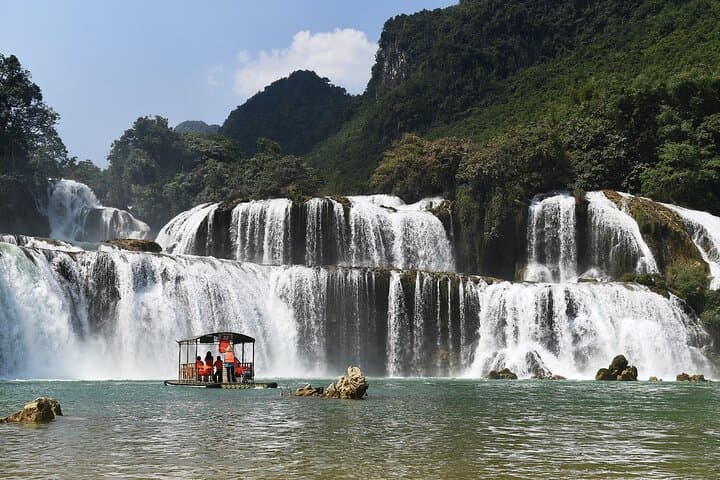
What the day feels like
The air tastes like river and limestone on the morning you leave the town of Cao Bang. Engines hum into life and the road unfurls—narrows, widens, shoulders lined with rice paddies folded into the valley like green paper origami. Over two days, the 2-Day Cao Bang Odyssey trades big-city bustle for a rhythm set by winding mountain roads, limestone ribs, and the small, deliberate routines of village life. It’s not a sprint to a postcard; it’s a slow push into the layered geology and culture that make northern Vietnam feel like a different country within a country.
Daylight is what you notice first: soft, long, and generous in the highlands. The loop takes you into karst country—limestone cliffs and caves that have been hollowed and sculpted over millennia. Nguom Ngao Cave is the showstopper here, a subterranean cathedral where stalactites drop like chandeliers and the cave’s passages open into pockets of light and shadow. Walking through it, you sense the same patient forces that raised these mountains and fed the rivers. Nearby, the Quay Son River moves with a quieter ambition. It doesn’t demand attention the way a famous waterfall would; instead it draws you into a pace where a wooden boat, a local ferryman and the water’s slow current can be an entire day’s reward.
This loop isn’t just geology. Cao Bang is a mosaic of ethnic groups—the Tay, Nung, Hmong among them—whose terraced fields and stilt houses have shaped the region’s human geography. You’ll pass villages where women stitch patterns that tell ancestral stories and where the market is as much social center as commerce. There’s a lived-in quality to the place: tea cups on low stools, bicycles leaning against painted walls, and dogs that know every route through the mud and rock.
History here bears weight. The province sits on the Chinese border; Pac Bo—where Ho Chi Minh lived in exile before his return to lead Vietnam—sits within the same rough tapestry of caves, rivers, and dense forest. That history gives the landscape a double tone: natural beauty threaded with a sense of persistence and resistance.
Practicalities matter on a short trip like this. The tour is forty-eight hours long (two full days), typically departing from Cao Bang town or arranged from Hanoi with added transport. The roads are scenic but winding—expect stretches of slow driving through narrow mountain passes with hairpin turns. Footing in the caves is uneven and sometimes damp; inns in the towns are basic but clean, offering local food and a bed that will feel like luxury after a day spent outdoors.
Why go? Because it’s a compact, low-stress way to step into a landscape that feels genuinely off the beaten path without sacrificing comfort. For photographers it’s an embarrassment of riches: cave interiors, riverside portraits of local communities, and light that slants beautifully across karst ridgelines at dawn and dusk. For culture seekers it’s a close-up study of northern ethnic life without the theatricality of more touristy regions. For the traveler who likes activity but hates the logistics grind, the tour wraps transit, guides, and local access into an easy two-day package.
How to make the most of it: start early each morning to catch the light and avoid the afternoon haze. Bring a good pair of lightweight hiking shoes with grip for cave walkways and village trails, and a compact rain shell—the weather can flip from sun to shower fast. If you’re prone to motion sickness, sit near the front of the vehicle on winding stretches and carry ginger or a motion-sickness patch.
On the food front, tack into local dishes where you can: mountain goat or river fish prepared simply, sticky rice, and bowls of noodle soup that taste like comfort sculpted from local stock. Talk to your guide about stopping at a family home instead of a restaurant; those stops are where you taste recipes unchanged for generations. Be mindful: this is a fragile place. The rivers and rice paddies are sources of life, so pack out what you bring and follow local guidance around fragile habitats.
If you only have forty-eight hours, prioritize: a cave visit, a slow stretch along the Quay Son River, and a walk through at least one small village market. If you have even a few extra hours, ask to linger at a riverside tea shop or to visit a local handicraft stall. Those small detours are where the region’s texture becomes tactile.
The Cao Bang Odyssey isn’t a dare; it’s an invitation. It asks you to trade speed for detail, to watch how light moves over limestone and how a river can map the social life of a place. When you come home you’ll carry images—stalactites like frozen waterfalls, women weaving on home looms, the slow, steady current of the Quay Son—and the quieter knowledge that two days of thoughtful travel can change how you imagine a country.
Logistics snapshot: the tour is sold as an instant confirmation, priced from USD 221, and includes local guiding and most transport. Bring patience, curiosity, and a readiness to be moved by small things: a hand-carved bridge, a steaming dish of regional noodles, a cave chamber shaped by time.
Two days here is not enough to exhaust Cao Bang, but it’s enough to understand its tempo. The province doesn’t shout its attractions; it trusts that those who slow down will notice.
Trail wisdom
Small choices, better day.
Start Early
Mornings offer the best light for photography and cooler temperatures for exploring caves and village trails.
Grip for the Cave
Bring shoes with good traction—cave floors and riverside rocks are often wet and uneven.
Cash for Villages
ATMs are limited outside Cao Bang town; carry small denominations for markets and tips.
Respect Local Customs
Ask before photographing people and remove shoes when entering stilt houses or family homes.
Local knowledge
Read the place, not just the route.
Watch for native species including White-throated langurs (rare, in deeper forests), Various waterbirds along the Quay Son River.
Keep an eye out for wildlife during the transition between areas and habitats. Respect distance guidelines.
The karst and river systems are ecologically sensitive—avoid disturbing cave formations, pack out waste, and support locally managed tourism ventures when possible.
Follow the guide's instructions on size limits, ethical handling, and leave-no-trace practices.
Small tea houses on the Quay Son River that make local mountain tea. Off-the-beaten-path village handicraft stalls where you can watch weaving
Locally recommended viewpoints and quiet spots known best to local operators.
Cao Bang province borders China and contains Pac Bo, a historically significant cave area where Ho Chi Minh lived during his return to Vietnam in 1941, linking the landscape to 20th-century history.
Maritime roots and regional tradition shape the waterways and working coasts.
Seasonal guide
Four versions of the same landscape.
Spring
Best forWildflower and terrace views · Cooler hiking weather
ChallengesOccasional rain showers · Muddy village trails
Spring (March–May) brings fresh green rice terraces and comfortable temperatures, but pack a light rain shell for sudden showers.
Summer
Best forLush river scenes · Full foliage photography
ChallengesHotter days and heavy monsoon rains · Slippery cave entrance
Summer is lush and dramatic but expect heavier rains—plan cave visits in drier windows and bring waterproof gear.
Fall
Best forCrisp air and clear skies · Harvest activity in villages
ChallengesCooler nights · Variable daytime temperatures
Autumn (September–November) offers clear light and comfortable days—ideal for walking and photography—pack a warm layer for evenings.
Winter
Best forMisty mountain vistas · Quieter villages
ChallengesCold temperatures at night · Some routes damp or foggy
Winter is quieter and atmospheric with mist over the karst; bring warm layers and expect foggy mornings.
Operator details
What the booking data adds.
Included
- ✓English-speaking tour guide
- ✓Lunch
- ✓Dinner
- ✓Breakfast
- ✓Bus ticket: Ha Noi – Cao Bang and Cao Bang – Ha Noi
- ✓Accommodation: 01 night at the homestay.
- ✓All entrance fees included: Nguom Ngao cave, Ban Gioc Waterfall
Not included
- —Other personal expenses
- —Holiday surcharge
- —Solo room will surcharge
Good to know
- ✓Not recommended for travelers with spinal injuries
- ✓Not recommended for pregnant travelers
- ✓Not recommended for travelers with poor cardiovascular health
- ✓Suitable for all physical fitness levels
- ✓If you are vegetarian, please let us know in advance. We will prepare it in advance according to your request.
Pack with intention
What to bring.
Good to know
Common questions.
The Cao Bang Odyssey runs for two days (approximately 48 hours), typically including transport, guiding, and visits to Nguom Ngao Cave and riverside sites.
Plan the edges
The details that make the day easier.
Cao Bang is home to Pac Bo Cave, where Ho Chi Minh spent time in 1941 preparing for the Viet Minh’s return—making the province significant in modern Vietnamese history.
After a day exploring, grab a steaming bowl of bun thang or river fish at a local eatery in Cao Bang town; look for family-run tea houses along the Quay Son for a late afternoon cuppa. Small guesthouses often serve home-cooked meals—ask your guide for recommendations to support local families.
- Closest airport
- Cao Bang Airport (small regional) or Noi Bai (Hanoi) for international connections; Driving from Hanoi ~6–8 hours depending on transfers; Cell service: patchy outside Cao Bang town; Permits: none typically required for tourist visits, but follow local guide advice.
The karst landscape and river corridors are sensitive—avoid touching cave formations, dispose of waste properly, and choose operators who work with local communities to minimize impact.
Explore by topic
Follow the threads.
Keep exploring
Make the story part of the trip.
In four hours you can move from shaded canyon ferns to wind-scoured coastal ridgelines, guided by someone who knows where the light—and the hidden views—live. This private half-day hike on the Monterey Peninsula or Big Sur is compact, curated, and perfect for travelers who want depth without a multiday commitment.
 Related story
Beneath a sky of shifting light, Skaftafell’s ice reads like a map of time. This three-hour guided glacier hike mixes technical instruction with geology and culture: compact, safe, and unforgettable.
 Related story
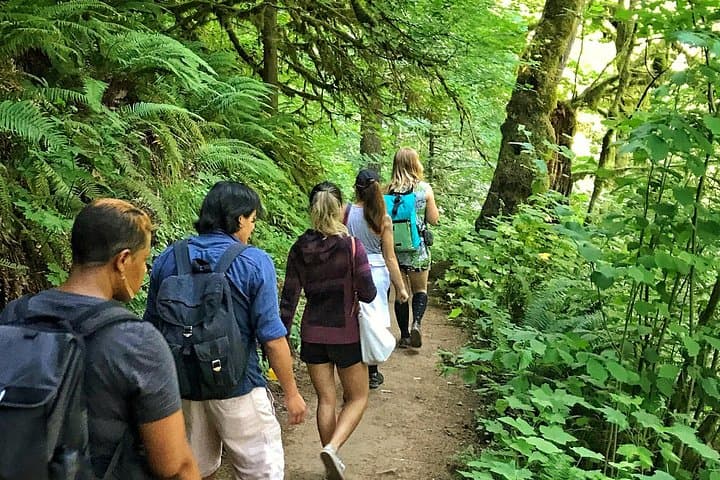
Lose the city for a few hours without leaving it: this 5-mile, 900-foot-gain Forest Park loop threads old-growth pockets, city viewpoints, and cultural landmarks for a compact taste of Portland’s wild side. Expect moss, roots, and stories.