
What the day feels like
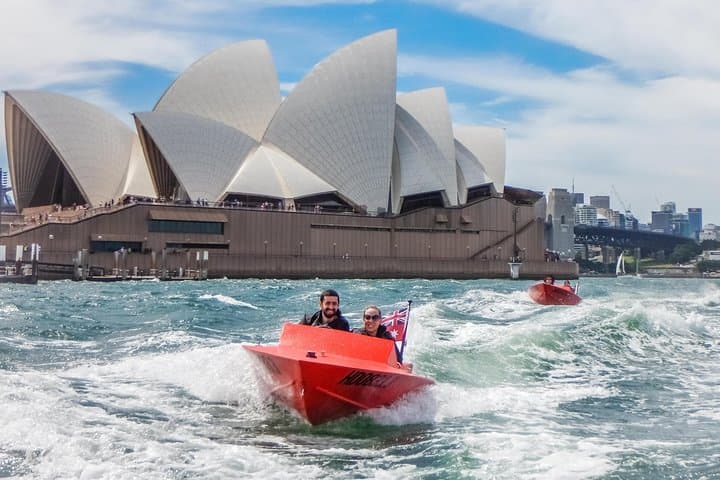
There’s a particular kind of applause that comes from the water — a hiss of spray, the drum of a high-revving engine, and the harbour itself seeming to lean in as you cut across its surface. On a red speedboat that feels more like a sportscar than a tour vessel, you pull away from Circular Quay and the city skyline folds back: the Opera House’s sails glint white, the Harbour Bridge stands like an iron spine, and the shoreline, stitched with parks and sandstone cliffs, slides past faster than any sightseeing bus. You’re not a passenger so much as an active participant in Sydney’s best show: the harbour daring you to keep pace. The guides hand over the wheel and the ride is equal parts adrenaline and civic portrait — fast, bracing, and intimate in a way larger boats cannot be.
This is Port Jackson, a drowned river valley carved by rising seas and fed by creeks and bays; its indented coastline creates the deep, sheltered harbour that made Sydney a natural maritime hub. Long before the Harbour Bridge and the Opera House, the Gadigal people of the Eora Nation inhabited these shores, reading currents and tides in ways modern maps cannot capture. European settlement arrived in 1788, and Fort Denison, a Martello tower built on a tiny islet, later stood sentinel to protect the harbour. The Harbour Bridge — completed in 1932 after a decade of engineering drama — and the Opera House — opened in 1973 and later listed as a UNESCO World Heritage site in 2007 for its architectural significance — are landmarks, but a speedboat puts them into motion. You see details that static viewpoints miss: ferry wakes folding into the lee of a point, rock shelves where seals lounge, the arc of a ferry cutting a clean white ribbon across the navy water.
There’s a culture here that thrives on water. Commuter ferries crisscross the harbour like arteries; fishing boats, sailing dinghies, and naval vessels add texture to the scene. Taronga Zoo clings to the northern shore; from a low profile boat you can catch glimpses of koalas sleeping in eucalyptus and cormorants drying their wings on rocky ledges. Your guide will punctuate the throttle with stories — of shipwrecks, convict-era shoreline, and the odd celebrity wedding spotted from a private launch — folding history into the ride so you feel the harbour as both living ecosystem and stage.
If you’re tempted by the adrenaline, this tour gives you control without the solo responsibility of captaining a larger craft: guides set the route and safety rules, and you drive under supervision. The standard tour runs roughly 135 minutes — enough time to launch from Circular Quay or Darling Harbour, arc under the Harbour Bridge, circle Fort Denison, skim past the Opera House, and thread quieter coves by Taronga and North Head. It’s a compact lesson in Sydney geography, an immersion in maritime conditions, and a photo-op that changes with every turn.
Practical matters: the harbour is fickle. Winds funnel through the heads at the harbour mouth and can roughen what felt like smooth water moments before. Morning slots tend to be the calmest and best-lit for photography; late afternoon softens the city’s glare and can produce dramatic backlight on the Opera House. Clothing is casual but practical — a lightweight windbreaker and sunglasses are more useful than a blazer. Expect spray; put electronics in waterproof cases and tether sunglasses. Lifejackets are provided and mandatory. If you’re prone to motion sickness, take preventative medication before boarding — the thrill is best enjoyed without nausea.
Beyond the thrill, there are localities to explore after you beach the boat: wander The Rocks and its sandstone alleys, grab a post-ride beer with a view at the Opera Bar under the sails, or head to Woolloomooloo’s Finger Wharf for seafood. For photographers, the speedboat experience delivers unique angles on the Opera House and Bridge that most land-based vantage points can’t replicate — bring a fast shutter speed and a lens you can hold steady in the spray.
Booking is straightforward: tours are instant-confirmation products with flexible cancellation options in many cases, but popular time slots can sell out, particularly on weekends and during summer. The tour is broadly accessible to families and active travelers, but operators enforce safety minimums — children’s ages and weight limits vary by provider — so read the booking fine print. For travelers who want the high-velocity perspective without getting wet, alternative harbour experiences include ferry trips, tall-ship sails, and private yacht charters; this speedboat sits at the intersection of adrenaline and sightseeing.
Ultimately, the Sydney Speed Boat Adventure is a concentrated way to read the harbour in an hour and change: a fast, bright, and tactile introduction to Sydney’s maritime story. It’s not just about speed; it’s about reconciling the city’s human history with the tide-sculpted coastline that shaped it. If you go, let the harbour surprise you. It has a habit of doing exactly that.
Trail wisdom
Small choices, better day.
Book a morning slot
Winds are typically lighter in the morning, producing calmer water and better lighting for photos.
Bring waterproof protection
Waterproof phone case and a small dry bag keep electronics and essentials safe from spray.
Wear layered wind protection
A lightweight windbreaker stops the chill from the speed and sea breeze.
Take seasickness precautions
If you get motion-sick, take prevention before boarding to enjoy the whole 135-minute tour.
Local knowledge
Read the place, not just the route.
Watch for native species including Australian pelican, Seals (occasionally at rocky outcrops).
Keep an eye out for wildlife during the transition between areas and habitats. Respect distance guidelines.
The harbour supports urban marine habitats; operators and visitors are encouraged to minimize disturbance, avoid feeding wildlife, and use reef-safe sunscreen.
Follow the guide's instructions on size limits, ethical handling, and leave-no-trace practices.
Fort Denison’s Martello tower — get close for interesting harbour geology and history. Quieter bays near North Head for seal and seabird sightings
Locally recommended viewpoints and quiet spots known best to local operators.
Sydney Harbour was a strategic arrival point for British settlement in 1788 and later developed with naval fortifications and commercial docks through the 19th century.
Maritime roots and regional tradition shape the waterways and working coasts.
Seasonal guide
Four versions of the same landscape.
Spring
Best forCalm water · Wildflower blooms on shoreline walks
ChallengesVariable winds in late spring · Occasional showers
Spring offers mild temperatures and generally smooth water—ideal for clear views and comfortable driving conditions.
Summer
Best forLong daylight hours · Vibrant harbour activity
ChallengesStronger afternoon sea breezes · Higher UV exposure
Summer is lively and warm, but expect more glare and afternoon winds; bring strong sun protection and a hat.
Fall
Best forSoft late-afternoon light · Fewer crowds
ChallengesCooler mornings · Possibility of brisk winds
Autumn’s golden light and calmer tourist traffic make it a sweet season for photography and comfortable rides.
Winter
Best forClear air for distant views · Crisp, dramatic skies
ChallengesChilly winds and spray · Cool water temperatures
Winter delivers sharp visibility and dramatic contrasts but plan warmer layers and windproof gear for the open water.
Pack with intention
What to bring.
Good to know
Common questions.
No—guides provide instruction and supervise driving; operators handle safety briefings and set speed limits as needed.
Plan the edges
The details that make the day easier.
The Sydney Opera House was inscribed as a UNESCO World Heritage Site in 2007, recognized for its architectural innovation and cultural significance.
After the ride, head to the Opera Bar under the sails for a cold beer and harbour views, or wander The Rocks for seafood at historic pubs; Woolloomooloo’s Finger Wharf offers a more relaxed seafood scene with waterside seating.
- Closest airport
- Sydney Kingsford Smith (SYD); Typical meeting area: Circular Quay
- Darling Harbour (see booking confirmation); Driving distance from CBD
- minimal—usually a short walk or tram; Cell service: reliable in harbour areas; Permits: none required for guests, operator handles vessel permits.
This tour operates in a busy urban marine environment—please avoid throwing anything overboard, use reef-safe sunscreen, and follow guide instructions to minimize disturbance to shorebirds and marine life.
Explore by topic
Follow the threads.
Keep exploring
Make the story part of the trip.
Set out from Bass Harbor for a private, customizable day on Blue Hill Bay — lighthouses, puffins, seals, and the chance to feel Acadia from the water. Small groups, local captains, unforgettable views.
In four hours you can move from shaded canyon ferns to wind-scoured coastal ridgelines, guided by someone who knows where the light—and the hidden views—live. This private half-day hike on the Monterey Peninsula or Big Sur is compact, curated, and perfect for travelers who want depth without a multiday commitment.
 Related story
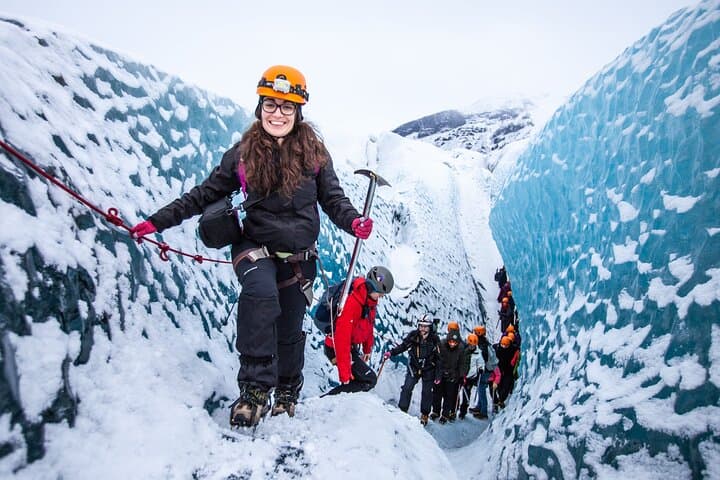
Beneath a sky of shifting light, Skaftafell’s ice reads like a map of time. This three-hour guided glacier hike mixes technical instruction with geology and culture: compact, safe, and unforgettable.