
What the day feels like
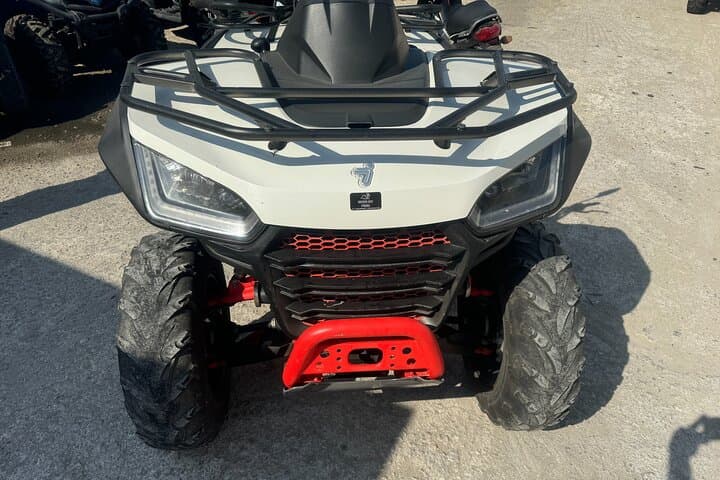
The engine spits and the dirt takes the shape of a new road beneath your wheels. For a moment the whitewashed town of Mykonos—its windmills like watchful elders—falls away behind you and the island opens into a patchwork of ocher terraces, scrubby maquis, and ribbon beaches that the sea seems to dare you to reach. Salt wind finds its way into your collar; the low sun turns the Aegean into a sheet of hammered silver. Riding a 450cc–600cc quad on a three- to four-hour safari is less about speed than permission: permission to read the island’s quieter pages where goats still pick over thyme-scented rocks and abandoned chapels anchor narrow ridgelines.
This is an island of two faces. Mykonos Town—Chora—dangles clusters of Cycladic architecture and buzzy cafés above harbors full of boats, but inland the story is older and simpler. Geologically the Cyclades are marine-born: layers of limestone and schist shaped by tectonic squeeze and aeons of wind and spray. The terrain beneath the tires is a mosaic of packed dirt lanes, loose shale, and narrow sandy tracks that slide easily when you lean too hard—terrain that rewards a steady hand and quiet attention. In spots the earth is pocked with little farming terraces, evidence that people have coaxed whatever the island would give since antiquity.
History here is never far. Just beyond the dunes and scrub sits Delos, the mythic neighbor and UNESCO archaeological site once revered as the birthplace of Apollo and Artemis; its ghosts of marble columns and mosaic floors echo a cosmopolitan ancient Aegean life. Mykonos itself has always been both a waypoint and a pocket of resistance—Venetian and Ottoman marks are faint but legible in old stone walls and place names. The island’s modern reputation for nightlife and international visitors sits comfortably beside time-honored taverna recipes and local fishermen who still mend their nets along quiet coves.
A quad safari is an intimate way to translate those textures into travel memory. Guides will steer you down goat paths and seaside trails, past hidden coves and rocky promontories where the windmills keep their slow, indifferent rhythm. You’ll learn to read the island’s cues—where a track narrows, where a cliff-track offers the best vista of the coastline, where a cluster of tamarisk signals a wind-protected lunch spot. Nature here is not a background but a character: the sea pulls at the shoreline like a persistent storyteller; the wind rearranges the sand daily, daring you to keep attentive.
The tour itself is straightforward: expect 3–4 hours on purpose-built 450cc–600cc quad bikes with guides experienced in the island’s microclimates and trails. The route moves at the pace of the group but leaves enough throttle to feel the machine’s grunt and the landscape’s momentum. There are short technical sections—sand, sharp shale, and some climbs—that ask for moderate fitness and basic vehicle handling. The reward is immediate: hidden beaches with crystalline water, panoramic headlands where you can see neighboring islands, and a tactile understanding of how the island was shaped.
Practicalities matter. The best time to go is shoulder season—May–June or September—when temperatures are comfortable and the crowds thin. Midday in July and August can be brutally hot; dust hangs in the air and the tracks bake. Wear closed-toe shoes, long sleeves for sun protection, and a wind layer for the coast. Hydration is non-negotiable; the guides will plan stops but bring an extra liter. Follow the guide’s instruction on throttle control and braking—quad bikes are powerful and traction changes quickly on Aegean soils.
This particular experience is a private safari with instant confirmation; it's priced from roughly $177 per person and runs about three to four hours. Guides are local and typically adept at blending cultural notes—little-known chapels, old shepherd routes, and photographic vantage points—with practical safety. The operation emphasizes responsible riding: staying on established tracks, avoiding sensitive dune systems, and leaving no trace.
You’ll finish with sand between your toes and a small stack of photographs: windmills caught in a golden frame, the shimmering bay from a bluff, a quiet family-run taverna where the food is better for being off-grid. More than souvenirs, a Mykonos quad safari hands you an elemental understanding of the island: how wind shapes ruin and harvest alike; how white villages cling to sheltered slopes for good reason; how the Aegean is generous only to those who take the time to learn its rhythms.
If you go, treat the tour as both adventure and cultural lesson. Ask about the old summer houses you pass—many belonged to sailors and merchants who made fortunes in the Mediterranean trade. Listen for the sound of the windmills: not mere tourist props, but mechanical testimony to a past economy tuned to the elements. And when you pause at a cove, consider timing a swim—the temperature of the water, the salt on your lips, and the quiet breath of the island are the rewards for getting off the beaten path.
Getting there is easy: meeting points are usually a short drive from Mykonos Town and Mykonos Airport (JMK). Bring sun protection, a sense of curiosity, and a willingness to let the island rearrange your day. The machines give you access; the guides point you toward storylines. From there it’s up to the terrain and the wind—which, on Mykonos, always seems to be offering a new route forward.
Trail wisdom
Small choices, better day.
Pick the right time of day
Start in the morning or late afternoon to avoid the island’s midsummer heat and to catch the best light for photos.
Hydrate and carry extra water
Bring at least 1–1.5 liters in addition to any provided; the island is dry and sunny and riding burns more fluid.
Footwear and hand protection
Closed-toe shoes and light riding gloves improve control and protect against rocks, sun, and the quad’s heat.
Follow guide distance
Maintain the guide’s recommended spacing—dust reduces visibility and tracks can shift quickly.
Local knowledge
Read the place, not just the route.
Watch for native species including Kri-kri (wild goats) and local feral goats, Migratory seabirds like shearwaters and terns.
Keep an eye out for wildlife during the transition between areas and habitats. Respect distance guidelines.
Operators typically avoid dunes and breeding bird areas—stick to marked tracks, pack out all trash, and respect grazing areas.
Follow the guide's instructions on size limits, ethical handling, and leave-no-trace practices.
Agios Sostis and its largely uncommercialized beach. A small, wind-sheltered chapel on a ridgeline with panoramic views
Locally recommended viewpoints and quiet spots known best to local operators.
Mykonos sits near Delos, a major ancient Aegean sanctuary; the island historically served as a trade and fishing hub with layers of Venetian and Ottoman influence.
Maritime roots and regional tradition shape the waterways and working coasts.
Seasonal guide
Four versions of the same landscape.
Spring
Best forwildflower viewing · moderate temps · fewer crowds
Challengesoccasional rain · muddy tracks early season
Spring offers mild temperatures and blooming maquis—ideal for comfortable riding and vibrant scenery, though early spring can leave some tracks slick.
Summer
Best forlong daylight · warm sea swims · consistent schedules
Challengeshigh heat · dust and crowds
Summer delivers bright days and guaranteed swim stops, but expect heat, more tourists, and dusty trails—ride early or late to avoid peak sun.
Fall
Best forpleasant temperatures · calmer seas · fewer tourists
Challengesshorter days · possible ferry schedule changes
Early fall is the sweet spot: warm seas, fewer crowds, and comfortable riding—ideal for full-day adventures and photography.
Winter
Best forlow-season quiet · off-season rates
Challengesstrong winds · limited services
Winter is quiet and dramatic, but many services slow down and winds can make coastal sections challenging; check operations before booking.
Operator details
What the booking data adds.
Included
- ✓Bottled water
- ✓full fuel
- ✓All Fees and Taxes
- ✓Use of Segway
- ✓helmets
Good to know
- ✓Public transportation options are available nearby
- ✓Suitable for all physical fitness levels
Pack with intention
What to bring.
Good to know
Common questions.
No—operators provide a safety briefing and basic training; however, you should be comfortable riding a manual vehicle and follow guide instructions.
Plan the edges
The details that make the day easier.
Delos, located a short boat ride from Mykonos, is a UNESCO World Heritage Site and was considered in antiquity the mythical birthplace of Apollo and Artemis.
After the ride, head to a seaside taverna like Kiki’s Tavern (Agios Sostis) for grilled fish and local salad, or wander Little Venice in Chora for a sundowner—pair fresh seafood with local white wine or ouzo.
- Closest airport
- Mykonos (JMK); Typical meeting point: near Mykonos Town; Driving from Chora: 10–25 minutes depending on route; Cell service: generally available near towns, intermittent on remote tracks; Permits: none required but follow local land rules and tour operator guidance.
Stick to designated tracks, avoid dunes and nesting sites, pack out waste, and support local businesses to ensure low-impact tourism on fragile island ecosystems.
Explore by topic
Follow the threads.
Keep exploring
Make the story part of the trip.
Set out from Bass Harbor for a private, customizable day on Blue Hill Bay — lighthouses, puffins, seals, and the chance to feel Acadia from the water. Small groups, local captains, unforgettable views.
In four hours you can move from shaded canyon ferns to wind-scoured coastal ridgelines, guided by someone who knows where the light—and the hidden views—live. This private half-day hike on the Monterey Peninsula or Big Sur is compact, curated, and perfect for travelers who want depth without a multiday commitment.
 Related story
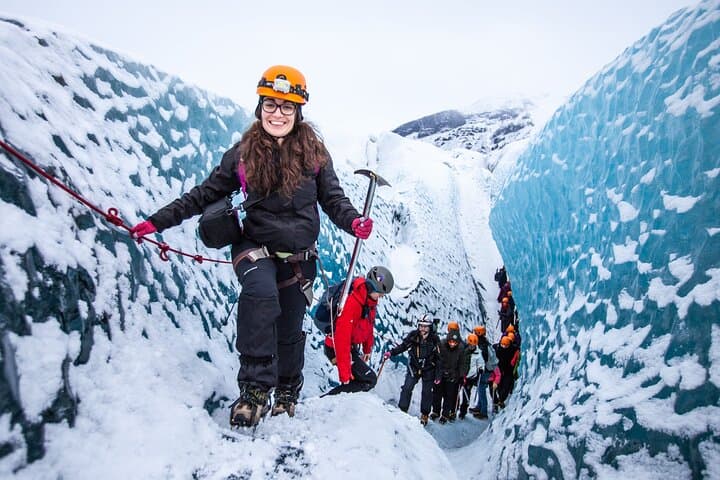
Beneath a sky of shifting light, Skaftafell’s ice reads like a map of time. This three-hour guided glacier hike mixes technical instruction with geology and culture: compact, safe, and unforgettable.