

What the day feels like
The engine settles into a low, eager growl as the quad rolls off the shaded lane and into a wash of sun. Pines lean back from the track like old friends, their resin smell bright against salt air coming over the hills. Ahead, a ribbon of scrubland and terraced olive groves unspools toward a cobalt coast; behind it, whitewashed villages crouch on ridgelines, time-burnished and easy with history. For three and a half hours you’re neither on a city timetable nor a hiking pace — you are in the sweet, fast rhythm of an island that prefers to reveal itself in motion.
This is the practical joy of the Rhodes ATV Quad Adventure Guided Tour: an accessible half-day blast that stitches together the island’s southern character — tarmac giving way to dirt tracks, ruined stone walls, sleepy villages, and a brief, private beach stop where the surf dares you to strip your helmet and wade. The route is part natural theatre and part cultural primer: drivers and passengers get to feel the terrain under the tires, smell the citrus from nearby orchards, and stop in a village square for a coffee and a look at daily life. It’s not about racing; it’s about moving through landscape on your own terms.
Rhodes sits at the southeastern edge of the Aegean, the largest of the Dodecanese islands, a place where layers of history are visible in the built environment. South Rhodes bears the fingerprints of Byzantine, medieval, and Ottoman moments: chapels tucked into rock faces, ruined towers watching the sea, and narrow alleys where goats still claim the shade. Geologically, the terrain here is a mix of limestone ridges and mellow, eroded hills that funnel seasonal streams and support terraces of olives and vineyards. That topography makes for satisfying ATV riding — short technical sections, open olivine paths where you can shift your weight and roll with the bike, and occasional rocky pitch that rewards attention rather than raw speed.
The trip is intentionally balanced. You’ll spend part of the time on dirt tracks and forested single-lane trails, part on village roads where the pace slows and local life frames the scene. Guides weave context into the ride: a ruined farmhouse that once supported a dozen families, the local method for pruning olives, why certain bays remain empty even in high summer. There’s a beach break, often at a quiet cove where the water is clearer for snorkeling and the sand is a pale, broken shell — a reminder that Rhodes is a coastline-first island even when its interior feels pastoral.
Practical details matter here. The tour runs about 210 minutes and is priced from roughly $95 per person, an easy half-day commitment that fits into longer island itineraries. You can expect a mix of riders, from novice drivers to families and experienced outdoorspeople; operators generally emphasize safety with helmets, a briefing on handling, and a guide who matches the group’s pace. Bring a valid ID and check license requirements with the operator before arrival; many companies ask drivers to show a driver’s license, and minimum age rules vary for passenger vs. driver.
Timing makes a big difference. Early morning and late afternoon rides are best for temperature and light: the air is cleaner, the sea is glassier, and the villages feel more intimate. Midday in July and August is hot and dusty; plan clothing and hydration accordingly. Expect some cell coverage in towns and near the coast but patchy service on backcountry tracks; part of the charm is being semi-disconnected.
Why choose a quad tour over a rental car or a guided hike? It’s a different kind of intimacy with place. Hopping from viewpoint to viewpoint in a car is efficient; walking reveals slow textures. Riding an ATV trades a bit of that slowness for immediacy — you feel the slope, you smell the thyme and rosemary, you’re close enough to wave at a shepherd but mobile enough to cover 20–40 kilometers of varied terrain in a single morning. For travelers who want a compact, kinetic taste of South Rhodes, it’s a high-value option: cultural stops, landscape variety, and a healthy dose of fun.
Safety and sustainability are front of mind for responsible operators. Guides will keep you on established tracks and away from archaeological sites and fragile dunes. Respecting those boundaries keeps the experience enjoyable for future visitors and protects vegetation that takes decades to recover from deep ruts.
If you go: choose a morning slot in shoulder seasons for milder weather and softer light; bring sunglasses and a bandana to keep dust out of your mouth; and leave room afterward for a slow lunch in a village taverna — there’s satisfaction in taking a shower and a plate of grilled fish after a morning of sun and engine hum.
This tour is a compact island education: half adrenaline, half anthropology, and all of it easy to fold into a Rhodes itinerary. Whether you want a rush of movement across olive-scented ridges or a friendly way to meet local people away from the major beaches, the quad safari delivers a pragmatic, memorable half-day that feels like a private invitation to the quieter, older face of Rhodes.
Length & logistics at a glance: roughly 3.5 hours; operate with instant confirmation and free cancellation options; priced from $94.63. Bring sensible footwear, a light layer for coastal breezes, and curiosity.
The island's south is patient — it will wait in whitewashed silence until you decide how fast you want to move through it.
Trail wisdom
Small choices, better day.
Morning Light Is Best
Book early-morning departures to avoid heat and get the best soft light for photos and cooler riding conditions.
Bring a Bandana and Sunglasses
Dust can be significant on dry tracks; a bandana helps with grit while sunglasses protect your eyes from wind and sun.
Secure Loose Items
Use zippered pockets or a small dry bag — phone and wallet should be stowed so they don’t fly during rough sections.
Hydrate Before and After
A 3.5-hour ride in summer is deceptively dehydrating; carry water and sip regularly even if you don’t feel thirsty.
Local knowledge
Read the place, not just the route.
Watch for native species including Mediterranean tortoise, Kestrel and other small raptors.
Keep an eye out for wildlife during the transition between areas and habitats. Respect distance guidelines.
Operators keep tours on established tracks to protect fragile maquis and terraced farmland; avoid riding on dunes or through archaeological sites.
Follow the guide's instructions on size limits, ethical handling, and leave-no-trace practices.
A sheltered cove south of the main beaches perfect for snorkeling away from summer crowds. An inland village square with a rustic kafeneio where locals gather for coffee and conversation
Locally recommended viewpoints and quiet spots known best to local operators.
South Rhodes villages preserve layers of history — from ancient Hellenic terraces to Byzantine chapels and Ottoman-era masonry — visible in stone houses and field walls.
Maritime roots and regional tradition shape the waterways and working coasts.
Seasonal guide
Four versions of the same landscape.
Spring
Best forWildflowers and mild temperatures · Clear coastal waters for a beach stop · Fewer crowds
ChallengesOccasional muddy tracks after rain · Cooler mornings
Spring brings mild weather and blooming maquis — ideal for comfortable riding and clearer views, though some tracks may be damp after rain.
Summer
Best forGuaranteed beach swimming · Long daylight hours · High-season island energy
ChallengesHigh heat and dust · Busier roads and beaches
Summer offers hot, dry conditions and the best chance for a warm swim at the tour’s beach stop; plan on early starts and sun protection.
Fall
Best forCooler, stable weather · Harvest season color and activity · Less crowded trails
ChallengesShortening days late in season · Occasional winds
Autumn is a strong shoulder season with pleasant temperatures and lively local agricultural activity; late-season winds can pick up in the afternoon.
Winter
Best forQuiet village visits · Lower prices and fewer tourists
ChallengesChilly temperatures and wet tracks · Limited beach swimming
Winter rides are possible but cooler and wetter — operators may adjust routes for safety and comfort during rainy periods.
Operator details
What the booking data adds.
Included
- ✓Map
- ✓Helmets & Dust Protection
- ✓Bottled water
- ✓Hotel pickup and drop-off areas: Kalathos,Lindos,Pefkos,Lardos,Kiotari,Gennadi,Lachania,Plimiri
- ✓Fuel surcharge
Good to know
- ✓Public transportation options are available nearby
- ✓Not recommended for travelers with spinal injuries
- ✓Not recommended for pregnant travelers
- ✓Not recommended for travelers with poor cardiovascular health
- ✓Travelers should have at least a moderate level of physical fitness
- ✓A valid car driver's license is required
- ✓Dress accordingly due to dusty road
Pack with intention
What to bring.
Good to know
Common questions.
No — most operators offer a briefing and will match group pace to skill level; however, drivers should be comfortable handling a small off-road vehicle.
Plan the edges
The details that make the day easier.
Rhodes is the largest of the Dodecanese islands and has been continuously inhabited since at least the second millennium BCE.
After the ride, head to Lindos or a nearby village taverna for dishes like freshly grilled fish, pitaroudia (chickpea fritters), and local honey-based desserts; pair with a cold Greek beer or a glass of Lemnos or local table wine.
- Closest airport
- Rhodes International (RHO); Typical driving distance: ~45–60 minutes from Rhodes Town
- Lindos depending on departure point; Cell service
- patchy on interior tracks; Permits: none required but driver license may be requested by operator.
Stay on marked tracks, avoid riding over terraces or dunes, and pack out all trash to protect the island’s fragile maquis and archaeological features.
Explore by topic
Follow the threads.
Keep exploring
Make the story part of the trip.
In four hours you can move from shaded canyon ferns to wind-scoured coastal ridgelines, guided by someone who knows where the light—and the hidden views—live. This private half-day hike on the Monterey Peninsula or Big Sur is compact, curated, and perfect for travelers who want depth without a multiday commitment.
 Related story
Beneath a sky of shifting light, Skaftafell’s ice reads like a map of time. This three-hour guided glacier hike mixes technical instruction with geology and culture: compact, safe, and unforgettable.
 Related story
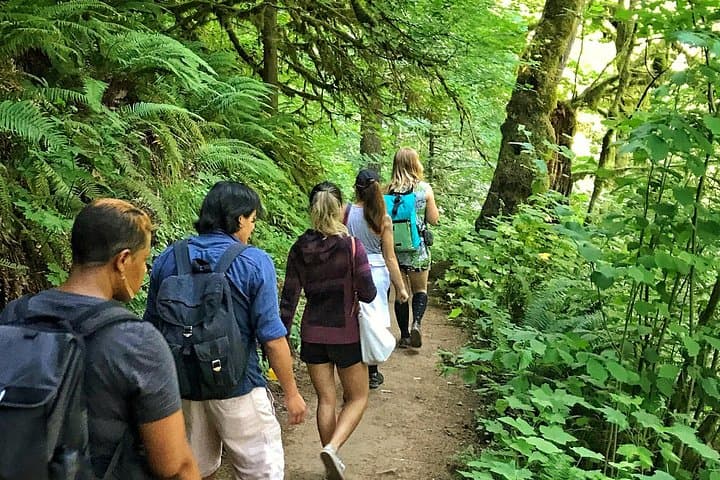
Lose the city for a few hours without leaving it: this 5-mile, 900-foot-gain Forest Park loop threads old-growth pockets, city viewpoints, and cultural landmarks for a compact taste of Portland’s wild side. Expect moss, roots, and stories.