
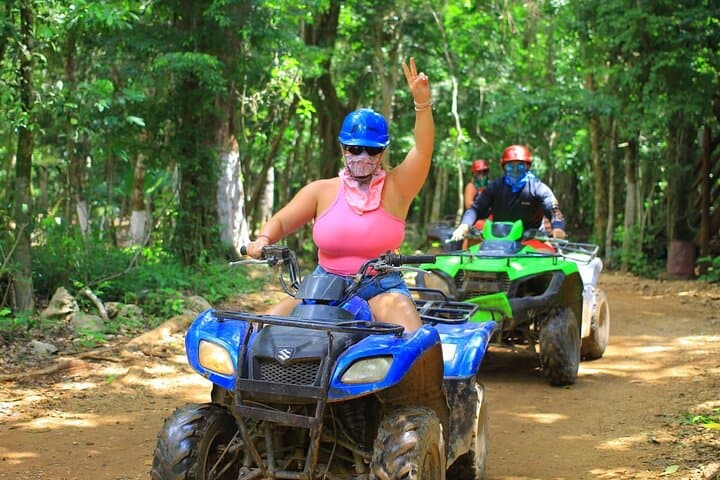
What the day feels like
You step off the van into a pocket of humid jungle air that smells like earth and citrus—an aromatic promise that the day will pry you out of the hotel-zone haze and into something immediate. Guides hand out helmets and gloves as the group fans out beneath a canopy of gumbo-limbo and royal palms. Somewhere above, cables hum; below, a turquoise sheet of water waits in a collapsed limestone bowl, patient and cold.
This is a kind of hurry-up-and-breathe tour: six hours of pulsing motion threaded between quiet, ancient geology. The Cancun Adventure Tour with Ziplines, ATVs and Cenote Swim stitches together three of the Riviera Maya’s most cottoned-down thrills—soaring across a canopy, roaring over rutted jungle tracks, and slipping into a cenote’s clear, fossil-cold water—and dresses them with practical touches: hotel pickup or a central meeting point, a fajita lunch, and a tequila tasting to toast the dust off afterward.
Start with the ziplines. The platforms sit high in a mixed hardwood stand and, for a few heartbeats as you lean into the harness, the world compresses to the cable and the wind. The sensation is purposeful—there’s speed, yes, but also a clean sense of orientation: the jungle flattening into ribboned green, the coastline a low sliver beyond. Ziplines here are more than amusement-park drops; they’re an aerial edit of the Yucatán’s layered ecology.
ATVs supply the earthbound counterpoint. The tracks cut through scrub and secondary forest, alternating between sandy washouts and compacted paths. You’ll kick up dust, cross shallow ruts, and pass occasional limestone outcrops that reveal the peninsula beneath your tires—porous, riddled rock that craves rain. Riding at a responsible pace, you move from the collective exhilaration of tandem activities into a quieter rhythm of throttle and line choice.
The cenote is the day’s cool punctuation. These sinkholes are not only geological phenomena—they’re part of the Yucatán’s living water system. You climb down wooden steps into a cathedral of stone and light, where water is a translucent plate and the air drops twenty degrees. Swimming here feels deliberate: the water clings coolly, refracting slanted sunlight. This is when the trip becomes not just adrenaline but also a reminder of place—the same cenotes that sustained Mayan communities and fed pilgrimage routes.
The tour’s practical bits make it approachable: it’s a group experience that runs roughly six hours and includes lunch and a short tequila flight. Price points start at about $56.70 (USD) and bookings generally offer instant confirmation and optional hotel pickup. That said, some specific operational details—minimum age and weight limits for ziplines and ATVs—vary by operator, so check the booking page or ask the provider when you reserve.
Why go? The package is efficient: you don’t need to spend separate days organizing canopy tours, off-road rentals, and cenote access. It’s perfect for travelers who want an elevated sampler of the Yucatán’s active side—families with older kids, couples after a compelling day trip, or travelers transiting a short stay in Cancún who don’t want to pick and choose between experiences.
A quick primer on geology and culture helps frame the sensations. The Yucatán Peninsula is largely a karst landscape—limestone riddled with caves and underground rivers. Cenotes are the visible openings of that subterranean network and held spiritual significance for the Maya as portals to the underworld and sources of freshwater. Modern conservation efforts aim to keep these systems clean; they’re sensitive to pollution, which is why many operators ask guests to use biodegradable sunscreen and rinse thoroughly after applying repellant.
Timing matters. Mornings are cooler and less crowded; afternoons are warmer and can be busier, but you’ll often catch stronger light in cenotes at midday. If you’re traveling in the high season (December–April), bookings fill quickly; if you prefer fewer people and still-stable weather, shoot for late winter to early spring.
Practical prep: sturdy closed-toe shoes for ATVs, a bathing suit under quick-drying clothes, and a small waterproof bag for phones and cameras. Hydrate before you arrive—the combination of sun, engine heat, and activity is significant. Guides typically provide life vests for cenote swims and helmets for ziplines and ATVs; follow their briefings and don’t push the gear limits.
The day ends, often, with lunch served family-style—fajitas, rice, beans—and a short tequila tasting that turns a stranger’s vacation day into something convivial. It’s a useful cultural note: tequila and mezcal tastings are common additions to adventure days here, both for the palate and as a way to decompress.
If you’re considering this tour, know what to expect and what to ask before you book: confirm pick-up times and locations, check for any health or weight restrictions, and verify what’s included (lunch, photos, gear). The payoff is straightforward—a compact excursion that pairs kinetic thrills with a luminous natural highlight. You leave with a handful of good photos, a better sense of the peninsula’s geology, and a sun-warmed appreciation for how motion and water define the Riviera Maya experience.
Trail wisdom
Small choices, better day.
Bring biodegradable sunscreen
Sunscreen chemicals can harm cenote ecosystems—use reef- and biodegradable-formulas and rinse before entering freshwater.
Closed-toe shoes for ATVs
Sturdy shoes protect your feet on the trails and in shallow ruts; sandals are not recommended.
Start early
Morning departures avoid midday heat and crowds, and provide cooler water for the cenote swim.
Secure valuables
Bring a small dry bag or leave cameras in a locked vehicle—jungle trails are dusty and cenote steps can be slippery.
Local knowledge
Read the place, not just the route.
Watch for native species including Green iguana, Freshwater turtles.
Keep an eye out for wildlife during the transition between areas and habitats. Respect distance guidelines.
Cenotes and underground rivers are sensitive; use biodegradable products, avoid littering, and follow operator guidelines to protect water quality.
Follow the guide's instructions on size limits, ethical handling, and leave-no-trace practices.
Explore the Ruta de los Cenotes near Puerto Morelos for quieter, less-developed sinkholes. Visit the fishing village of Puerto Morelos for fresh seafood and a relaxed reef snorkel
Locally recommended viewpoints and quiet spots known best to local operators.
Cenotes were central to Mayan life—used for water, ritual and as markers of sacred spaces—forming an essential part of the peninsula’s cultural and hydrological history.
Maritime roots and regional tradition shape the waterways and working coasts.
Seasonal guide
Four versions of the same landscape.
Spring
Best forDry weather · Comfortable temperatures · Clear cenote water
ChallengesHigher visitor numbers · Strong midday sun
Spring (March–May) brings dry, comfortable days—great for all three activities—but expect more crowds and strong sun by midday.
Summer
Best forLush jungle colors · Longer daylight · Warmer cenote temperatures
ChallengesRain showers · Higher humidity · Possible afternoon storms
Summer brings heat and afternoon storms; mornings are ideal for the zipline and ATV segments before potential rain.
Fall
Best forFewer tourists · Warmer water · Good value deals
ChallengesOccasional tropical systems · Humidity
Fall can be quieter and kinder to the wallet, though late-season tropical weather may occasionally disrupt plans.
Winter
Best forDry weather · Stable conditions · Clear skies
ChallengesPeak tourist season · Higher prices
Winter offers some of the most reliable weather—cooler mornings and bright skies—so book in advance during high season.
Pack with intention
What to bring.
Good to know
Common questions.
The tour runs approximately six hours (360 minutes) and typically includes hotel pickup or a central meeting point.
Plan the edges
The details that make the day easier.
The Yucatán Peninsula has no surface rivers—the region’s freshwater is carried through a vast network of underground rivers and cenotes that supply drinking water and shaped ancient Maya settlement patterns.
After the tour, head into downtown Cancún or nearby Puerto Morelos for fresh ceviche or fish tacos and a cold cerveza; sample Yucatecan dishes like cochinita pibil if you want something local and hearty.
- Closest airport
- Cancún International Airport (CUN); Typical drive from hotel zone: 30–60 minutes depending on pickup; Cell service: generally available but intermittent at forested sites; Permits: none commonly required for day tours—confirm with your operator.
Use biodegradable sunscreen, avoid single-use plastics, and follow guide instructions—cenotes and underground waterways are ecologically sensitive and vital to local communities.
Explore by topic
Follow the threads.
Keep exploring
Make the story part of the trip.
In four hours you can move from shaded canyon ferns to wind-scoured coastal ridgelines, guided by someone who knows where the light—and the hidden views—live. This private half-day hike on the Monterey Peninsula or Big Sur is compact, curated, and perfect for travelers who want depth without a multiday commitment.
 Related story
Beneath a sky of shifting light, Skaftafell’s ice reads like a map of time. This three-hour guided glacier hike mixes technical instruction with geology and culture: compact, safe, and unforgettable.
 Related story
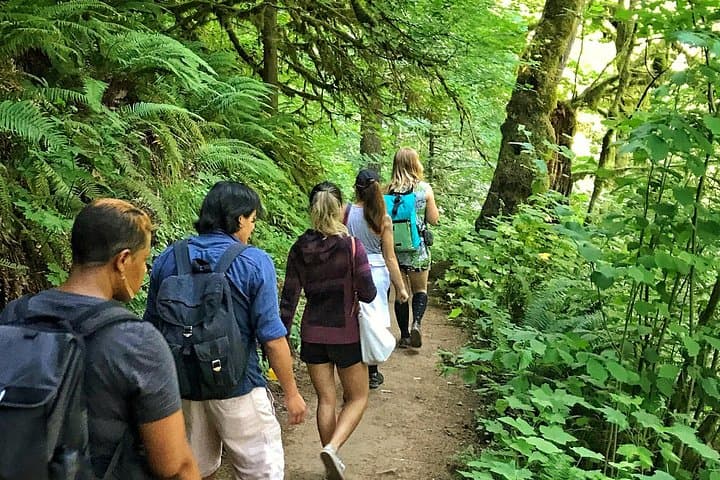
Lose the city for a few hours without leaving it: this 5-mile, 900-foot-gain Forest Park loop threads old-growth pockets, city viewpoints, and cultural landmarks for a compact taste of Portland’s wild side. Expect moss, roots, and stories.