
What the day feels like
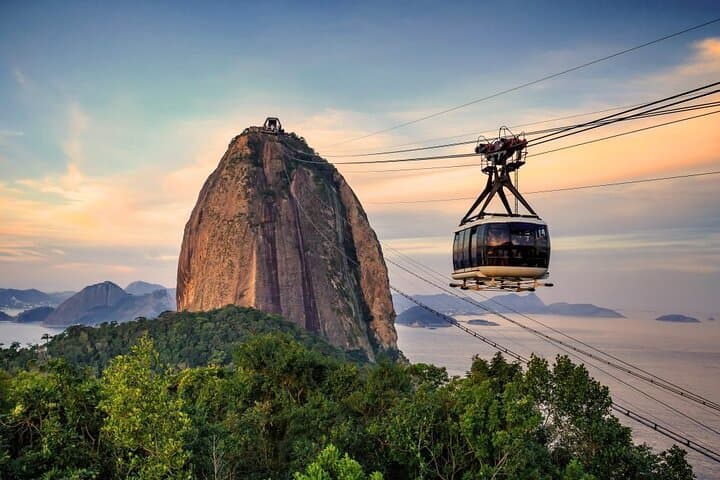
The morning air over Guanabara Bay is cool enough to make the city exhale. You can see it in the silvered glass of the high-rises, in the boats easing out of the harbor, and in the way the cable car wires catch the light as they climb toward the rounded granite of Sugarloaf. The day unfolds like a condensed biography of Rio—steep geology, deep blue ocean, and the noisy, curious life that lives between them. This seven-hour Adventure tour with Sugarloaf Mountain, AquaRio and BioParque packages all three into a single, panoramic day: the cable car ride that tips you into a skyline, the aquarium that catalogues Brazil’s coastal mysteries, and a smaller, hands-on wildlife park that brings the country’s fauna close enough to study a heartbeat.
You begin by riding the cable car—bondinho—up to Sugarloaf. The ascent is brief but cinematic: the city drops away in tiers, Copacabana’s curve becomes a thin ribbon, and the Atlantic stretches like an impatient traveler. Granite domes like Sugarloaf rose from coastal magma millions of years ago; they are not mountains that were built so much as bared by time. Up on the summit, wind has the casual confidence of a guide, nudging you toward the best angles and daring you to stay still. Views here are the reason people come: Guanabara Bay framed by a dozen postcard beaches, a gaggle of islands, and the jagged silhouette of Corcovado wearing Christ the Redeemer, far but watchful.
From there the tour slips into an altogether different element—the world behind the glass at AquaRio, South America’s largest marine aquarium. Walking the tanks here is a lesson in scale and color. Rays glide like ink on silk, small reef fish dart in neon knots, and you find yourself appreciating the slow choreography of tidal life you’d otherwise miss from a cruise or a beach stroll. Educational displays underscore the fragility of these ecosystems, threading conservation into spectacle.
The final act is BioParque, a compact fauna park that prioritizes close encounters with native species and environmental education. It’s not a zoo spectacle but an intimate moral argument: why Brazil’s biodiversity matters—and how urban populations can keep it alive. Guides here will point out behaviors, feeding ecology, and local stories about how animals like marmoset monkeys and tropical birds navigate the city’s fragmented green spaces.
There’s history threaded through all three stops. Sugarloaf’s bondinho is more than transport: the original cable car system dates back to the early 20th century, a reminder of how quickly visitor infrastructure followed urban growth. AquaRio reflects a newer era—ocean literacy turned public attraction—while BioParque sits within a tradition of Brazilian conservation that’s had to hustle to stay relevant amid rapid urbanization.
Practical details matter here because the day moves fast. The whole excursion runs about seven hours; the longer waits are for lines at popular vantage points and the time allotted for aquarium exhibits. The group moves by Jeep and shuttles between points, so expect a mix of short walks—some paved, some with uneven stone—and easy steps up to viewpoints. Bring sensible shoes for cobbled streets and the brief scree near lookouts; sandals feel too casual for Sugarloaf’s upper platforms. Hydrate: a 7-hour tour in tropical sun will take more from you than you think, and vendors can be limited at times.
Timing is tactical. Early starts mean smaller crowds on the cable car and a softer light for photos; afternoons can be brighter but busier. The itinerary is family-friendly—education and hands-on moments make it a good pick for kids—but it also satisfies travelers who want structural narratives about the city’s nature and culture rather than a single highlight.
Because the tour packs several environments into one day, layering is practical. A light rain shell is helpful—even if the forecast looks clear—since coastal mists and ground-level showers are part of Rio’s temperament. On the conservation side, note that both the aquarium and BioParque emphasize responsible viewing: don’t feed wildlife, keep noise low near enclosures, and follow staff instructions for photo angles or permitted interaction.
Cost and logistics are straightforward: average booking price begins around USD 152, the operator provides instant confirmation, and free cancellation is offered for flexibility. Reviews skew positive—travelers praise the organization and the way the day stitches disparate experiences together—but keep in mind that a compact itinerary means you’re sampling rather than lingering.
For photographers and travelers who want to stretch the experience, layer other neighborhoods onto the day—stop in Urca for a beer at a kiosk with a harbor view, or finish with dinner in Santa Teresa for the local art vibe. This tour is a concentrated primer on Rio’s three faces: the geological spectacle that made its skyline famous, the coastal life that supports it, and the fragile inland biodiversity that keeps the city grounded. It’s a smart pick if you want an efficient, educational, and visually generous introduction to what makes Rio both spectacular and worth protecting.
Trail wisdom
Small choices, better day.
Start Early for Light & Lines
Begin the tour in the morning to beat crowds at Sugarloaf and get softer, more flattering light for photos.
Hydrate and Snack
Carry a reusable water bottle and small snacks—the day is long and food options between stops can be limited.
Bring Closed-Toe Shoes
Wear comfortable, grippy shoes for uneven pavements and short rocky sections at viewpoints.
Respect Wildlife Rules
Follow staff directions at BioParque and AquaRio—no feeding or tapping on glass; view from approved distances.
Local knowledge
Read the place, not just the route.
Watch for native species including Common marmosets (small primates), Coastal reef fish and rays visible at AquaRio.
Keep an eye out for wildlife during the transition between areas and habitats. Respect distance guidelines.
AquaRio and BioParque both emphasize education and local conservation efforts—visitors are encouraged to follow guidelines to minimize disturbance and learn about habitat protection.
Follow the guide's instructions on size limits, ethical handling, and leave-no-trace practices.
Parque Lage’s courtyard and coffeehouse—quiet gardens at the base of Corcovado. Urca neighborhood kiosks—low-key seafood stalls with harbor views
Locally recommended viewpoints and quiet spots known best to local operators.
The Sugarloaf cable car system dates to the early 20th century and has been an iconic Rio experience since its inauguration.
Maritime roots and regional tradition shape the waterways and working coasts.
Seasonal guide
Four versions of the same landscape.
Spring
Best forMilder temperatures · Fewer tourists than peak season
ChallengesOccasional rain showers · Variable sea conditions for water views
Spring (Sept–Nov) brings comfortable temps and blooming urban greenery—expect occasional showers but pleasant conditions for a long day of sightseeing.
Summer
Best forLush vegetation · Longer daylight hours
ChallengesHotter temperatures · Higher humidity and larger crowds
Summer (Dec–Feb) is lively and warm; go early to avoid midday heat and heavier visitor numbers at major attractions.
Fall
Best forClearer skies · Cooler evenings
ChallengesShorter daylight · Possibility of leftover summer humidity
Autumn (Mar–May) delivers clearer vistas and comfortable touring conditions—ideal for combining outdoor lookouts with indoor aquarium time.
Winter
Best forCrisp days and low rain · Less crowded viewpoints
ChallengesCooler mornings · Occasional coastal winds
Winter (Jun–Aug) is perhaps the driest, offering crisp visibility from Sugarloaf and calmer seas—bring a light jacket for breezy summits.
Pack with intention
What to bring.
Good to know
Common questions.
The full tour runs about 7 hours (approximately 420 minutes) including transfers and time at each attraction.
Plan the edges
The details that make the day easier.
The original Sugarloaf cable car system began operation in 1912, making it one of the earliest urban cable railways in the world.
After the tour head to Urca or Botafogo for seafood and a cold beer; for a livelier evening, take a taxi to Lapa or Santa Teresa for live music and carioca dishes like feijoada or grilled peixe.
- Closest airports
- Galeão–GIG or Santos Dumont–SDU; typical driving time from central hotels 20–45 minutes; cell service generally good across stops; no permits required; operator provides transfers between attractions.
Both AquaRio and BioParque focus on education and conservation—avoid littering, skip single-use plastics, and follow staff instructions to protect sensitive habitats and animals.
Explore by topic
Follow the threads.
Keep exploring
Make the story part of the trip.
 Related story
Less than two hours from Nairobi, Kereita Forest pairs hands-on canopy adventure with quiet montane trails and a sobering colonial history—perfect for families, teams, and curious travelers seeking a full-day pulse of nature.
Set out from Bass Harbor for a private, customizable day on Blue Hill Bay — lighthouses, puffins, seals, and the chance to feel Acadia from the water. Small groups, local captains, unforgettable views.
In four hours you can move from shaded canyon ferns to wind-scoured coastal ridgelines, guided by someone who knows where the light—and the hidden views—live. This private half-day hike on the Monterey Peninsula or Big Sur is compact, curated, and perfect for travelers who want depth without a multiday commitment.