
What the day feels like
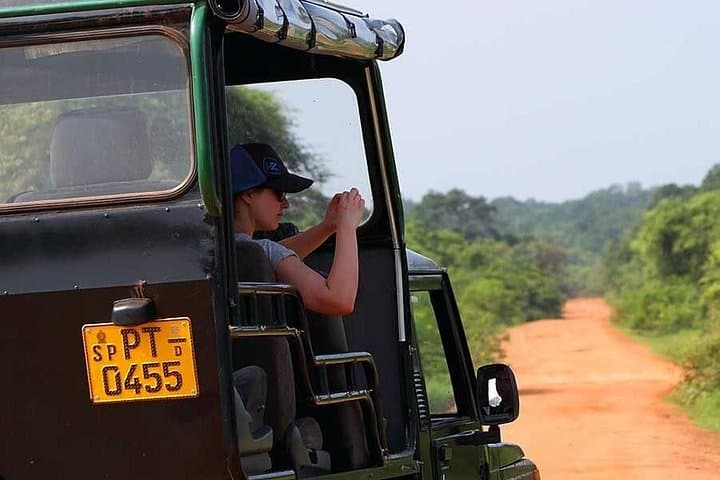
The jeep stops and the scrub falls quiet like someone has pressed a slow-button on the world. Heat shivers above the dirt road and, somewhere deeper in the bush, a peacock calls once—insistent, unapologetic. You step out into a smell of sun-warmed grass and diesel and your guide points to a smear of tawny fur disappearing between two boulders. For three days on this private loop from Colombo, Sri Lanka pares travel down to motion: a river that dares you into white water, a boat that slides you past reed-lined banks, a canyon that obliges with a vertical descent, and a national park that keeps its best creatures close to the chest.
This is not one long walk in the wilderness; it is a curated sequence of active encounters. The trip stitches together four textures of Sri Lanka—the colonial port city logistics, rainforest riverways where gibbons outrun the sun, waterfall amphitheaters made of basalt and fern, and the dry scrub and tidal lagoons of Yala that are famous for leopards. It’s three days (72 hours) of guided movement, two nights of local lodging, transfers and breakfasts included, and a private guide whose local knowledge is the trip’s real horsepower.
Sri Lanka’s southern and southeastern landscapes are a geologic palimpsest. Rivers cut through highlands born of ancient volcanics, depositing silt that today feeds mangroves and rice paddies. Yala National Park, a mosaic of beaches, scrub forests and lagoons, forms on a coastal plain where monsoon patterns—regular and erratic—dictate where animals concentrate. The island’s colonial history surfaces in odd corners: a tea trail cutting through upland humidity, Dutch canals still sluicing towns, and Colombo’s layered architecture. But on this itinerary, culture arrives in smaller gestures: the breakfast curries, a fisherman calling across a mangrove channel, or a guide explaining leopard behavior over a thermos of tea.
Why do this? Because the package trims the planning fat and hands you a menu of high-impact outdoor moments. White-water rafting in Sri Lanka is approachable—Class II–III runs where the river is more companion than adversary—so it pushes but rarely overwhelms. Riverboat rides peel back a quieter pace, perfect for watching kingfishers and marsh life. Waterfall abseiling gives a vertical rush against a soundtrack of falling water. And Yala delivers classic safari rhythms: low-slung dawn light, a spellbinding quiet, and the chance—never a promise—of seeing a leopard emerge like a punctuation mark.
Practical edge: this is guided adventure. You don’t need to bring technical climbing gear or a raft; instructors provide ropes, helmets and lifejackets. What you do need is a readiness for variable conditions—sudden sun, sudden spray—and the stamina to handle full days with multiple transfers. The price is at the upper end of local tours, but it buys private logistics, knowledgeable drivers, and a carefully paced sequence of activities over a compact window.
On the ground, timing matters. Aim for the island’s drier months for Yala visibility; mornings are freshest for wildlife and most comfortable for canyoning. Leave bulky plans behind—the days are action-packed and best enjoyed when your schedule is light. On the cultural side, bring curiosity: guides are often happy to explain local farming rhythms, fishing practices, and the seasonal festivals that shape the calendar.
Safety and stewardship: respect wildlife distance rules, keep sound low on drives through the park, and follow your guides’ instructions during river and abseil segments. Much of this work happens on private land or inside a national park, where conservation revenue is a fragile lever. Pack out what you pack in, minimize single-use plastics, and tip respectfully—these tours are local-economy engines.
For photographers, there are two rhythms: slow, intimate river portraits at golden hour; and compressed bursts during safari drives when a spotted cat or a herd of elephants appears and disappears. A mid-range telephoto and a weather-sealed body are ideal; leave the tripod at the hotel for waterfall shots unless you have trusted quick-release anchors.
Logistics are straightforward: most groups start or end in Colombo (Bandaranaike International Airport is the usual entry), with road transfers linking activity hubs across the south and southeast. Cell service is fine around larger towns but thinning in Yala and some rainforest corridors; offline maps and a local SIM with data will do more than you expect.
If you want concentrated outdoor action without having to stitch hotels, tickets and transport together, this private three-day route is efficient and compelling. It’s built for people who measure travel in experiences rather than miles—people who want to feel the river’s pull, the canyon’s hush, and the bush’s slow watch. And if, at the end of it, a leopard flicks its tail in the slant of evening light, the whole trip rearranges itself into a neat, memorable story.
Practical snapshot: duration is 3 days/2 nights; guided white-water rafting and waterfall abseiling are included; transportation and breakfasts are provided. Bring quick-dry clothing, a sense of adaptability, and a pair of shoes you won’t mind getting wet. The rest—ropes, helmets, safety briefings—arrive with your guides. You show up ready to move.
Trail wisdom
Small choices, better day.
Book the early slot for Yala drives
Wildlife is most active at dawn and dusk; schedule the park drive for first light to maximize sightings and cooler temperatures.
Waterproof your kit
Bring a small dry bag for cameras, phone, and documents—rafting and waterfall abseiling will splash you.
Pace your sunscreen and insect repellent
Apply reef-safe sunscreen before river activities and a DEET-free repellent in the evening around the park.
Listen to local briefings
Guides handle technical gear and safety; follow their instructions for rope work and river navigation.
Local knowledge
Read the place, not just the route.
Watch for native species including Sri Lankan leopard, Asian elephant.
Keep an eye out for wildlife during the transition between areas and habitats. Respect distance guidelines.
Yala generates important tourism revenue that supports park management; stick to vehicle tracks, avoid feeding or approaching wildlife, and follow guide instructions to minimize disturbance.
Follow the guide's instructions on size limits, ethical handling, and leave-no-trace practices.
A short boat ride through mangrove channels near the riverboat section where birdlife concentrates at low tide. A roadside stop for freshly made hoppers and king coconut served by local vendors—simple, quick, and authentic
Locally recommended viewpoints and quiet spots known best to local operators.
The southern coast of Sri Lanka has long been shaped by maritime trade and colonial routes, which influenced settlement patterns and access roads used by today's tour operators.
Maritime roots and regional tradition shape the waterways and working coasts.
Seasonal guide
Four versions of the same landscape.
Spring
Best forGood visibility in Yala · Lower humidity on upland rivers
ChallengesOccasional pre-monsoon showers · Variable river levels
Spring offers clearer skies for wildlife viewing and generally comfortable conditions for river and canyon activities, though sudden showers can occur.
Summer
Best forLush rainforest scenery · Plentiful river flow for rafting
ChallengesHigher humidity · Patchy road conditions after heavy rain
Summer brings vigorous river flows and dense green scenery; expect heat and occasional washouts on remote roads.
Fall
Best forDrier Yala safaris · Calmer seas along the coast
ChallengesTourist demand peaks · Limited accommodation in small towns
Autumn tends to be drier for coastal safari country and is a popular window—book lodging early to secure private rooms.
Winter
Best forStable weather in the south · Crisp early mornings for photography
ChallengesMonsoon influence in some regions · Cooler nights inland
Winter is often the most consistent window for safari viewing in Yala, with cooler mornings and steady conditions for on-water activities.
Operator details
What the booking data adds.
Included
- ✓WiFi on board
- ✓1 Night Accomodation in 3 - 4 Star Hotel with Bed & Breakfast Basis
- ✓1 Night Luxury Camping with all Inclusive Package
- ✓Lunch
- ✓All Fees and Taxes
- ✓Dinner
- ✓Air-conditioned vehicle
- ✓Breakfast
- ✓Water Rafting & Waterfall Trekking Entrance Fees
- ✓1 Jungle Safari
Good to know
- ✓Public transportation options are available nearby
- ✓Infants are required to sit on an adult’s lap
- ✓Not recommended for travelers with spinal injuries
- ✓Not recommended for pregnant travelers
- ✓Not recommended for travelers with poor cardiovascular health
- ✓Travelers should have at least a moderate level of physical fitness
Pack with intention
What to bring.
Good to know
Common questions.
No advanced experience is required—guided sections are suitable for beginners with safety briefings, though you should be comfortable with basic physical activity and following instructions.
Plan the edges
The details that make the day easier.
Yala National Park is renowned for having one of the highest densities of leopards in the world, making it a prime site for big-cat sightings.
After active days, look for low-key coastal seafood and rice-and-curry plates in towns like Tissamaharama, or return to Colombo for contemporary Sri Lankan dining—try hoppers, kottu and fresh seafood along the city’s coast.
- Closest airport
- Bandaranaike International Airport (CMB); Typical driving time to Yala region from Colombo: 5–6 hours by road; Cell service: good in towns, spotty inside Yala and remote river corridors; Permits: Yala park entry fee required (paid on arrival or included by operator).
Support protected areas by staying on designated routes, avoiding single-use plastics, and following guide directions—tour fees help fund park conservation programs.
Explore by topic
Follow the threads.
Keep exploring
Make the story part of the trip.
Set out from Bass Harbor for a private, customizable day on Blue Hill Bay — lighthouses, puffins, seals, and the chance to feel Acadia from the water. Small groups, local captains, unforgettable views.
In four hours you can move from shaded canyon ferns to wind-scoured coastal ridgelines, guided by someone who knows where the light—and the hidden views—live. This private half-day hike on the Monterey Peninsula or Big Sur is compact, curated, and perfect for travelers who want depth without a multiday commitment.
 Related story
Beneath a sky of shifting light, Skaftafell’s ice reads like a map of time. This three-hour guided glacier hike mixes technical instruction with geology and culture: compact, safe, and unforgettable.