
What the day feels like
The bus lets you out at a bend in the road and the river seems to be waiting. Courtois Creek narrows and tightens like a sleeve around a wrist, the forest pressing close, and the current immediately starts pulling—gentle, insistent, as if the water itself is daring you to settle in. Paddle strokes fall into a rhythm: a soft scrape through tannin-dark water, birds calling like punctuation, and the occasional click of a rock the river nudges free. By the first gravel bar it’s clear this is not a race; Butt’s Slab is a long, low-key invitation to slow down.
This is a 10-mile canoe- and kayak-only float that stitches together 6 miles of Courtois Creek, 2 miles of the Huzzah, and the final 2 miles on the Meramec. Taken at a calm flow, it’s 5 to 6 hours; with frequent stops for scrambling onto sandbars and poking into short caves you’ll find on shaded banks, it’s closer to 7. The route is creek-style: narrow and curvy, threaded with riffles and protected by steep, wooded slopes. Caves punctuate the limestone. Gravel bars offer natural lunchrooms. The current isn’t trying to throw you around, but it is persistent—this float rewards patience more than brute effort.
Geology gives the whole thing its character. You’re paddling across the Ozark Plateau, an ancient, deeply dissected landscape of chert and limestone where rivers have carved pocket valleys through karst bedrock. That subterranean work shows up as springs and caves that open into shady alcoves visible from your boat. That’s why locals have been coming here for generations—first as backwoods routes and resources, later as a place to escape city heat—and why Outfitters like Ozark Outdoors have built a day-trip infrastructure focused on calm enjoyment rather than adrenaline.
There’s a quiet history in the riverbanks too. The riparian corridors sustained small settlements and seasonal harvests long before modern recreation. On the water you’ll see evidence of that human presence in old stone foundations peeking above the bank and in occasional farm implements rusting on the gravel. The current has long been a highway and a provider; now it’s mostly a classroom, if you pay attention.
Practicalities matter here. Book your float with a local outfitter—arrive at Ozark Outdoors for check-in and gear, and the shuttle will deposit you at what operators call Butt’s Slab. Launch times run at 9 a.m. and 11 a.m. daily except Sundays; plan for a full half-day. Because the float spans three waterways, conditions can change with rainfall and dam releases; guides reserve the right to alter routes for safety. For a starter resource and a straightforward booking path, check the outfitter’s pages to read specifics and reserve launch times: <a href="https://app.advcollective.com/local-experts/water-activities-ozark-outdoors-canoe-kayak-courtois-creek">Ozark Outdoors — Courtois Creek canoe & kayak trips</a>.
Families pass through here, but note the rules: limited life jackets for children, strict weight guidelines for vests, and staff discretion for very young passengers. No glass or Styrofoam on the river, and be prepared to bring a child-sized, USCG-approved life jacket if you’re paddling with someone under 50–60 pounds.
What to expect on the water: a mix of open, tree-lined water and narrow, winding channels. Gravel bars show up like forgotten beaches—perfect for a stretch and a lunch. Caves appear as dark mouths in limestone bluffs; they’re fun to check from the safety of your boat. Wildlife treats are common: herons, kingfishers, and sometimes deer at the water’s edge. The water moves you forward, the river making the pace for you unless you choose otherwise.
Go prepared. This is a long float: bring layered clothing, a wide-brim hat, sun protection, and a dry bag for sandwiches and camera. Wear footwear that can get wet but that also protects you from sharp rock on the gravel bars. Bring insect repellent and a small first-aid kit. Hydration matters—carry at least two liters per person—and leave no trace: pack out every piece of trash and respect private land where the river narrows.
Why you should do it: Butt’s Slab is a full-day river experience that feels remote without being inaccessible. It’s ideal if you want one long, immersive day on the water with geological drama, quiet wildlife encounters, and plenty of stops for swimming or exploration. The trip rewards a slower kind of attention; the best moments are often a quiet drift past a mossy cave or a shared lunch on a sun-warmed bar.
If you’re coming from farther afield, use the float as a base for exploring the Ozarks—there are other nearby stretches to sample, and local outfitters can help you tailor a two-day plan. For booking and detailed logistics, start with the outfitter’s trip page to confirm launch times, equipment policies, and availability: <a href="https://app.advcollective.com/local-experts/water-activities-ozark-outdoors-canoe-kayak-courtois-creek">Book Courtois Creek trips</a>.
On the river, nature feels intentional. The current nudges you forward. Gravel bars offer invitations you can’t refuse. Trees lean low, shading your midafternoon cruise. And by the time the Meramec widens and the take-out at Ozark Outdoors appears, you’ll have covered more than distance—you’ll have threaded together quiet ecosystems, a slice of Ozark history, and a day that’s both restorative and surprisingly rugged.
Trail wisdom
Small choices, better day.
Start Early
Launch at the 9 a.m. shuttle to avoid afternoon heat and to get optimal water levels for narrower creek sections.
Bring a Dry Bag
Protect food, layers, and electronics from splash and the occasional dunk—10L works for a solo paddler, 20L for two.
Footwear That Stays On
Choose secure, closed-toe sandals or neoprene booties—gravel bars are sharp and uneven.
Respect Child Vest Rules
If paddling with small children, bring a USCG-approved vest and confirm weight limits with the outfitter before arrival.
Local knowledge
Read the place, not just the route.
Watch for native species including Great Blue Heron, White-tailed Deer.
Keep an eye out for wildlife during the transition between areas and habitats. Respect distance guidelines.
This corridor depends on responsible recreation—pack out trash, avoid disturbing shoreline vegetation, and adhere to no-glass and no-styrofoam rules.
Follow the guide's instructions on size limits, ethical handling, and leave-no-trace practices.
Small caves and alcoves along Courtois where you can beach and explore. Wide gravel bars ideal for a relaxed lunch and shallow swimming
Locally recommended viewpoints and quiet spots known best to local operators.
The Ozark waterways were long-used by local communities for transport and resources; the karst landscape shaped settlement patterns and early land use.
Maritime roots and regional tradition shape the waterways and working coasts.
Seasonal guide
Four versions of the same landscape.
Spring
Best forWildflower viewing · Cooler water temps · Migratory birds
ChallengesHigher flows after rain · Chilly mornings · More debris in river
Spring brings high, lively water and abundant blooms—expect faster current and occasional floating debris after storms.
Summer
Best forWarm swimming stops · Long daylight hours · Family-friendly conditions
ChallengesHeat and sun exposure · Higher insect activity · Crowded weekends
Summer is peak season for swimming and long days on the river; start early and pack sun protection and repellent.
Fall
Best forColorful foliage · Lower crowds · Crisp air
ChallengesCooler water temps · Shorter days · Potentially lower flows
Fall offers the most scenic foliage and comfortable daytime temperatures; water can be lower, so watch for shallow sections.
Winter
Best forQuiet solitude · Clear visibility of banks · Off-season rates
ChallengesVery cold water · Limited service from outfitters · Short daylight
Winter floats are rare but possible for prepared paddlers; bring layers and check outfitters’ winter schedules.
Pack with intention
What to bring.
Good to know
Common questions.
The paddling portion covers about 10 miles—6 on Courtois Creek, 2 on the Huzzah, and 2 on the Meramec—and typically takes 5–7 hours depending on river flow and stops.
Plan the edges
The details that make the day easier.
Missouri has more than 6,000 documented caves; the Ozark Plateau’s karst limestone creates the caves and springs visible along the Courtois, Huzzah, and Meramec rivers.
After a float, head to Steelville to refuel—look for local barbecue, fried catfish, or a small-town café and stop by the outfitter for local intel and map recommendations.
- Closest major airport
- St. Louis Lambert (STL) ~90–100 miles
- 1.5–2 hours; Meeting point
- Ozark Outdoors; Driving distance from Steelville: under 15 minutes; Cell service: intermittent along river; Permits: none, but follow no-glass and no-styrofoam rules and outfitters’ safety requirements.
The rivers run through sensitive karst terrain—pack out all trash, avoid disturbing shoreline plants, and do not discard food or plastic in the water.
Explore by topic
Follow the threads.
Keep exploring
Make the story part of the trip.
In four hours you can move from shaded canyon ferns to wind-scoured coastal ridgelines, guided by someone who knows where the light—and the hidden views—live. This private half-day hike on the Monterey Peninsula or Big Sur is compact, curated, and perfect for travelers who want depth without a multiday commitment.
 Related story
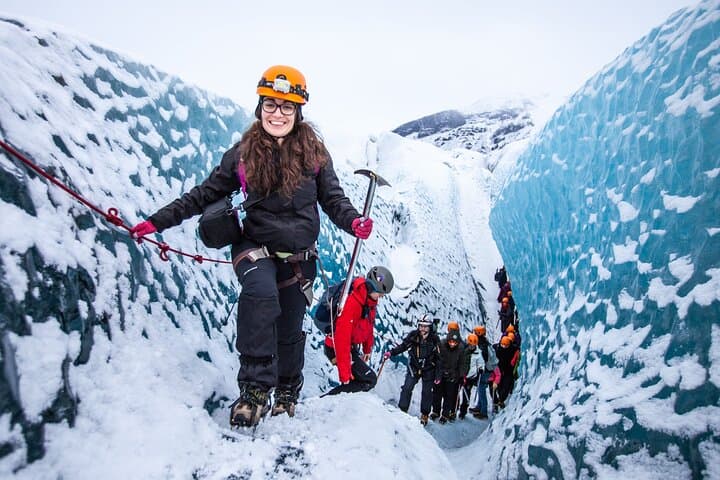
Beneath a sky of shifting light, Skaftafell’s ice reads like a map of time. This three-hour guided glacier hike mixes technical instruction with geology and culture: compact, safe, and unforgettable.
 Related story
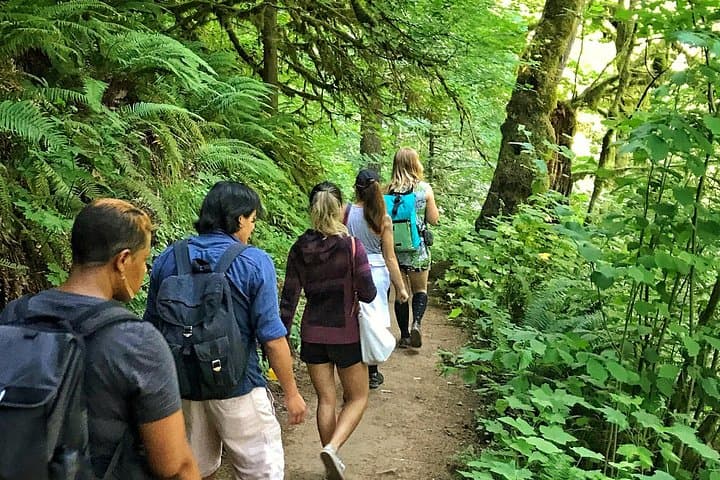
Lose the city for a few hours without leaving it: this 5-mile, 900-foot-gain Forest Park loop threads old-growth pockets, city viewpoints, and cultural landmarks for a compact taste of Portland’s wild side. Expect moss, roots, and stories.