
What the day feels like
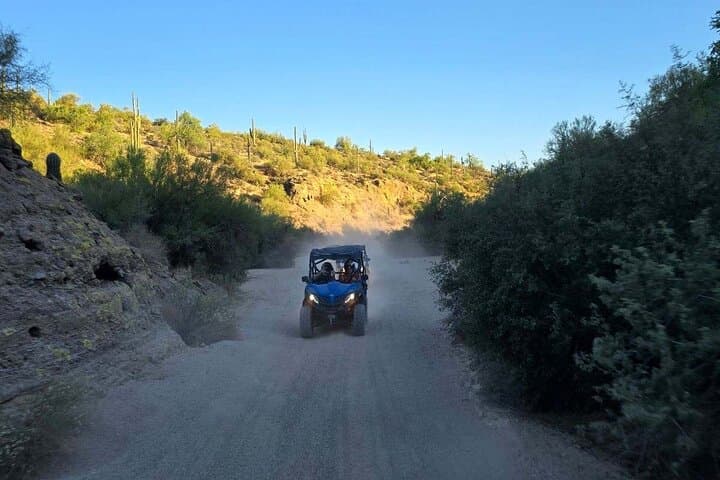
The sun doesn’t so much set in the Sonoran Desert as stage a slow, theatrical exit—first it bleaches the creosote, then it gilds the rocky ridgelines with a coppery light that makes everything look older and wiser. You feel that change under your hands long before you see it: the ATV rumbles with the last warmth of the day, tires kicking up dry dust that tastes like a country you’ve only ever read about. On a Sunset ATV/UTV Sand Buggy tour out of Scottsdale with Desert Dog Offroad, that slow shift becomes the reason for the ride.
You meet at a small staging area just beyond the city’s sprawl; the skyline of Old Town is a faint silhouette behind you, replaced by the sculpted silhouettes of the Sonoran—saguaro and palo verde punctuating the horizon. Guides run a quick safety brief, hand over goggles and helmets, then lead the drivers onto the winding trail network carved into the edge of the Tonto National Forest. For 120 minutes you’re in a matrix of sand washes, hardpacked two-track, and steep pitches that flirt with the line between friendly and challenging. At the midway point the convoy pulls over. Water and snacks appear. Drivers swap, cameras click, and the desert—apparently satisfied with its performance—keeps changing the color palette.
There’s a practical logic to choosing a sunset tour here. The Sonoran Desert is wide with contrasts: daytime temperatures can scorch, but evenings bring a sharp, dry cool that makes motion feel crisp. The low-angle light sculpts the landscape, turning otherwise flat vistas into three-dimensional panoramas that photographers dream about. And because the route follows designated trails in Tonto National Forest, it’s a managed way to get dirt under your nails without trespassing or displacing fragile habitats.
A little history follows the ride. The Tonto National Forest—one of the nation’s largest municipal forests—was created in the early 20th century and has long been a patchwork of ecosystems, from saguaro-studded flats to rocky highlands. Indigenous peoples, including the Hohokam, called parts of this landscape home for millennia; later, prospectors and ranchers navigated the same washes that adventure drivers now skim across. Modern off-roading has always lived in a balancing act here—recreation on trails that also shelter wildlife and rare plants—so guide teams like Desert Dog Offroad emphasize respect for designated routes and low-impact practices.
What makes this particular tour feel like more than a joyride is the narration. Guides point out the desert’s subtle cues: where a palo verde indicates seasonal water, how nocturnal creatures start to stir, or why a particular ridge catches the light at sunset. Combined with the sensory immediacy of piloting your own UTV, those small lessons stick.
Practicalities are refreshingly straightforward. The outing is two hours total, and pricing starts around $360; it’s a premium guided experience with driver swaps mid-tour, snacks and water provided, and a safety-first approach. You’ll want closed-toe shoes, a sturdy pair of sunglasses or goggles, and a jacket for the ride home—temperatures can drop quickly after dusk. If you travel as part of a mixed-ability group, know that guides will adjust the pace and choose lines that match skill levels. The terrain isn’t technical like a rock-crawling course, but it does demand attention and respect; the desert will forgive sloppy driving, but not without lesson.
Who is this for? Casual outdoor travelers who want a controlled adrenaline hit, photographers chasing dramatic light, couples looking for a memorable evening, and small groups who prefer a guided, interpretive experience over a self-guided sweep. It’s also a good fit for travelers based in Scottsdale who want to compress a big-views, low-effort outing into a two-hour slot between golf and dinner.
A few do’s and don’ts make the evening smoother: hydrate before you arrive, secure loose items (dust is relentless), and keep an open ear for your guide’s directional cues. Most tours advertise a family-friendly age minimum for drivers—check when you book—and the company provides basic PPE; you bring sensible clothing and curiosity.
The payoff is not just the vehicle’s speed. It’s the particular way the desert changes when light goes shallow: the sky turns a bowl of color, birds make an episodic return to roost, and the distant city lights begin to glitter like a constellation competing with the stars. You’re moving through a living painting, but it’s also a place with rules—seasonal closures, wildlife corridors, and conservation priorities. The best riders leave it the way they found it.
After the ride, most people drift back to Scottsdale’s Old Town for food and drinks. There’s a practical satisfaction there: to have sped through the wilderness and then sit in a shaded patio with a local beer reflecting on the exact gradation of orange that made the ridgeline look like molten metal. That contrast—wild and civilized, raw and curated—is the point. A sunset UTV tour is shorthand for a big evening: minimal travel time, maximum perspective, and a memory that starts with a rumble and ends with the sky going quiet.
Trail wisdom
Small choices, better day.
Hydrate Before You Arrive
Drink plenty of water in the hours leading up to your tour—desert heat and dust can speed dehydration.
Wear Closed-Toe Shoes
Sturdy sneakers or light hiking boots protect feet during entry/exit and from sand and debris kicked up on trail.
Secure Loose Belongings
Dust is fine and pervasive—zip valuables into your bag and use wrist straps for cameras.
Bring a Light Layer
Temperatures drop quickly after sunset; a windbreaker keeps you comfortable on the drive back.
Local knowledge
Read the place, not just the route.
Watch for native species including Coyote, Desert Cottontail (rabbits).
Keep an eye out for wildlife during the transition between areas and habitats. Respect distance guidelines.
Operators run tours on designated trails to minimize habitat disruption—stick to routes, avoid off-trail detours, and pack out all trash.
Follow the guide's instructions on size limits, ethical handling, and leave-no-trace practices.
Stop at a sandy wash for unobstructed sunset views away from main ridgelines. Ask your guide about nearby petroglyph sites and historical ranching ruins—some are visible from safe vantage points
Locally recommended viewpoints and quiet spots known best to local operators.
The Tonto National Forest, established in the early 1900s, sits on land long inhabited by Indigenous peoples such as the Hohokam and later used by ranchers and miners.
Maritime roots and regional tradition shape the waterways and working coasts.
Seasonal guide
Four versions of the same landscape.
Spring
Best forWildflower displays · Mild temperatures
ChallengesOccasional wind · Higher visitation on weekends
Spring offers pleasant temps and seasonal blooms—expect more people but very comfortable riding conditions.
Summer
Best forLate-night tours · Lower crowd levels
ChallengesHigh daytime heat · Monsoon storms in July–August
Summer can be very hot; sunset tours are possible but plan for intense heat earlier in the day and sudden thunderstorms during monsoon season.
Fall
Best forOptimal light for photos · Comfortable evenings
ChallengesVariable daytime temps · Popular season—book ahead
Fall is the sweet spot: cooler days, clear skies, and stunning sunset colors—reserve early for weekend slots.
Winter
Best forCool evening rides · Clear night skies for stargazing
ChallengesCool to cold nights · Shorter daylight hours
Winter yields crisp air and dramatic skies; bring warm layers for the post-sunset return trip.
Operator details
What the booking data adds.
Included
- ✓Bottled water
- ✓Professional guide
- ✓Photos
- ✓Gators
- ✓Snacks
- ✓Fuel
- ✓Helmets
- ✓UTV Sand Buggy
Not included
- —Gratuities
Good to know
- ✓Not recommended for travelers with spinal injuries
- ✓Not recommended for pregnant travelers
- ✓Not recommended for travelers with poor cardiovascular health
- ✓Travelers should have at least a moderate level of physical fitness
- ✓Tour runs rain or shine
- ✓Must have valid Drivers License to drive.
- ✓Must be 8 years or older to be a passenger
- ✓Transportation can be arranged for a fee. Uber and Lyft are not recommended
Pack with intention
What to bring.
Good to know
Common questions.
The experience is approximately 120 minutes total, including safety briefing, driving time, a midway stop for snacks and driver swap, and return to base.
Plan the edges
The details that make the day easier.
Tonto National Forest covers nearly 2.9 million acres, making it one of the largest national forests in the United States.
After the ride head back to Old Town Scottsdale for a meal—try modern Mexican or Sonoran-inspired plates at a local restaurant and sample craft beers or a mezcal cocktail to wind down.
- Closest airport
- Phoenix Sky Harbor (PHX); Typical drive from Scottsdale: 20–40 minutes to staging area depending on traffic; Cell service: intermittent on trails; Permits: No public permit required for guided tours, but always follow Tonto NF regulations.
Stick to established trails to protect cryptobiotic soils and saguaro roots; avoid revving in wash beds and pack out any trash—tour operators follow leave-no-trace principles.
Explore by topic
Follow the threads.
Keep exploring
Make the story part of the trip.
Set out from Bass Harbor for a private, customizable day on Blue Hill Bay — lighthouses, puffins, seals, and the chance to feel Acadia from the water. Small groups, local captains, unforgettable views.
In four hours you can move from shaded canyon ferns to wind-scoured coastal ridgelines, guided by someone who knows where the light—and the hidden views—live. This private half-day hike on the Monterey Peninsula or Big Sur is compact, curated, and perfect for travelers who want depth without a multiday commitment.
 Related story
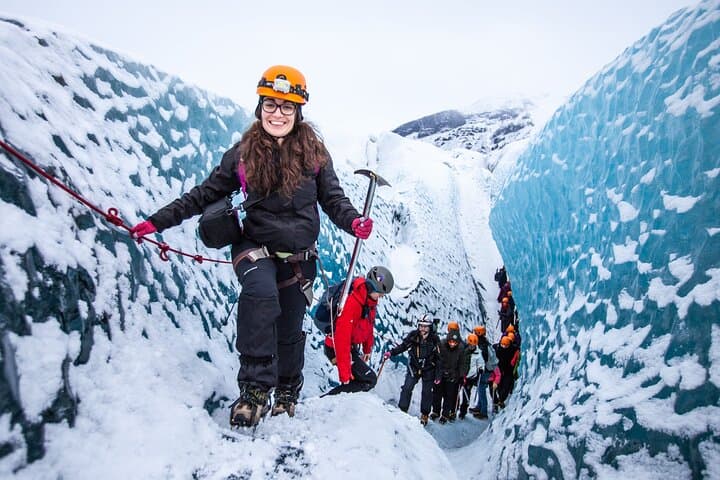
Beneath a sky of shifting light, Skaftafell’s ice reads like a map of time. This three-hour guided glacier hike mixes technical instruction with geology and culture: compact, safe, and unforgettable.