
What the day feels like
The Ashley River loosens its grip on the city as your boat noses out from 33 Lockwood Drive, the water shouldering you gently toward the harbor. The air is salted and warm, the kind that clings to your skin in a friendly way, and the breeze carries the soft murmur of palm fronds from the Battery. Pelicans cut clean lines across the sky. The captain eases the throttle; the bow lifts; Charleston’s skyline fans wide. A three-hour cruise is short by the calendar and long by the senses—especially when the sun is plotting its final act.
This is a charter built for the sweet spot of the day. A maximum of six passengers means elbow room and quiet conversation as you settle into lounge seating on deck or duck into the temperature-controlled cabin to cool down. You can bring your own drinks and snacks, stowing them in the fridges above and below. There’s a full galley if you want to elevate the evening, and a full restroom—luxuries that make the outing feel effortless. The stereo hums, Bluetooth at the ready, while the river nudges you forward like an old friend insisting you not miss the show.
Charleston is a city that meets the sea by way of two rivers—the Ashley and the Cooper—who famously, locals say, "form the Atlantic." Out in the harbor, water becomes theater. Porpoising Atlantic bottlenose dolphins slip alongside, the current tugging like a playful host. Ahead, the Arthur Ravenel Jr. Bridge sketches a white V across the sky, a modern sweep above an ancient waterway. Off to the right, Fort Sumter sits low and stoic at the harbor’s mouth, its brick walls holding a fault line of American history where the first shots of the Civil War cracked open the morning of April 12, 1861. Beyond that, the Atlantic breathes—never in a hurry, always in charge.
Charleston’s story is layered in these waters. The Gullah Geechee heritage of the Lowcountry speaks through the creeks that feed the marsh, where sweetgrass bends and spartina glows late-day green. Rice once ruled these tidal reaches; now the tides rule the day, setting the mood and the motion. The harbor’s channels, deepened to 52 feet in 2022, welcome oceangoing ships—you might see a container giant glide by, moving with improbable grace for its size. Meanwhile, your boat keeps to the calmer lanes, slipping toward the shadow of the Ravenel as the sun begins its slow lean west.
The beauty of this charter is its balance: comfort without disconnecting you from the water’s energy. A sunset cruise sounds passive, but it isn’t—the harbor is lively. Wind shifts keep you alert; cloud edges burnish to pink; the current urges you seaward, then eases you home. From the cockpit loungers, Charleston unfolds in silhouettes: church steeples pricking the sky, pastel houses along the Battery catching the last light, the ruffle of palmettos signaling the next breeze. It’s an ideal window for couples, small families, or a tight-knit group of friends who want to savor the city with a little space between them and the streets.
If you’re planning this experience, time it with intention. Departing late afternoon lets the cruise arc directly into golden hour. On clear evenings, the light reflects off the Cooper River like a runway, guiding you toward the bridge for the shot you’ll frame later. Bring a light wind layer—even in summer, the moving air can surprise you—and opt for reef-safe, non-spray sunscreen to protect both your skin and the boat’s decks. Secure hats and sunglasses; the breeze likes to test what’s not clipped down. Hydrate well, but pace your cocktails; the harbor is generous with motion.
The logistics are refreshingly simple. You board in downtown Charleston at 33 Lockwood Drive—an easy rideshare from most historic district hotels. The captain handles the rest. The USCG limits the charter to six passengers, which keeps it intimate. The boat’s creature comforts—WiFi, temperature control, sun loungers, and a cabin for shade—give you options, but the star is always outside: the water, changing by the minute, insisting you look up.
For those scanning ideas and trying to differentiate one cruise from the next, think about what **this** three-hour window gives you: time to settle in, to make a toast, to swing by Fort Sumter’s silhouette, to drift below the Ravenel, to trace the curve of the Battery, and to be back as the first streetlights blink on. It’s a polished introduction to the Lowcountry’s maritime stage, made personal by the small group format. If you want to learn more about booking a Charleston boat charter or explore other water activities, see our local expert page here: <a href="https://app.advcollective.com/local-experts/water-activities-co-op-boat-charter-charleston">Charleston boat charters and water activities</a>. For sunset chasers, it’s also worth skimming these insider notes before you go: aim for days with scattered clouds (they catch more color), avoid cold fronts (they flatten the sky), and watch the tide—it can collect sea birds on the mudflats at low water, adding life to your shots.
In a city celebrated for food and architecture, it’s easy to forget that Charleston’s most honest voice is still the water. On a three-hour charter, that voice is close enough to hear: the chuckle of a small wave against the hull, the distant clank of rigging in a side breeze, the bridge’s shadow sliding across the deck like a sundial. When the sun finally slips behind the peninsula and the harbor blushes, the city exhales. You’re nudged back upriver, salt on your lips, the evening still warm on your shoulders. Step off the boat, and the land will feel momentarily strange, as if standing still isn’t quite how life was meant to be.
To book or learn more about this exact experience, including available departure times and add-ons, visit our partner listing here: <a href="https://app.advcollective.com/local-experts/water-activities-co-op-boat-charter-charleston">Charleston Water Activities Co-Op Boat Charter</a>. And if you’re building a full weekend, pair this cruise with a morning walk along the Battery or a plate of oysters on Shem Creek—to keep the tide in your day a little longer.
Trail wisdom
Small choices, better day.
Time Your Departure for Golden Hour
Choose a late-afternoon start so your three-hour cruise lands squarely in sunset light for the best views and photos.
Skip Spray Sunscreen
Aerosols damage boat finishes and blow back in the wind—use lotion-based, reef-safe sunscreen instead.
Bring a Light Wind Layer
Even warm days can feel cool underway; a packable shell keeps the breeze pleasant, not chilly.
Secure Small Items
Hats, sunglasses, and phones should be strapped or pocketed—the harbor wind loves to test what’s loose.
Local knowledge
Read the place, not just the route.
Watch for native species including Atlantic bottlenose dolphin, Brown pelican.
Keep an eye out for wildlife during the transition between areas and habitats. Respect distance guidelines.
Use mineral or reef-safe sunscreen and avoid sprays, which harm finishes and can drift into the water. Never feed dolphins or birds; observe from a respectful distance to protect wildlife behavior.
Follow the guide's instructions on size limits, ethical handling, and leave-no-trace practices.
Line up sunset photos beneath the Ravenel Bridge from mid-channel for leading lines and drama. Keep an eye on Castle Pinckney near Shutes Folly—less visited, but moody in low light
Locally recommended viewpoints and quiet spots known best to local operators.
Fort Sumter, at the harbor’s mouth, marks the site where the Civil War began in 1861. The city’s maritime story also includes a long Gullah Geechee heritage shaped by tides, rice culture, and coastal trade.
Maritime roots and regional tradition shape the waterways and working coasts.
Seasonal guide
Four versions of the same landscape.
Spring
Best forMild temperatures · Dolphin activity
ChallengesPollen · Breezy afternoons
Sunny, temperate days and cool evenings make spring a prime season for a comfortable sunset cruise.
Summer
Best forLong daylight · Warm water feel
ChallengesHigh humidity · Pop-up thunderstorms
Expect heat and haze; schedule late-day departures for shade, color, and fewer storms.
Fall
Best forClear skies · Fiery sunsets
ChallengesOccasional nor’easters · Cooler evenings
Crisp air and reliable color make fall a favorite for photographers and couples.
Winter
Best forGlassier water · Crowd-free outings
ChallengesChilly wind · Short daylight
Bundle up; winter brings clean light and calm harbor days when fronts aren’t passing through.
Pack with intention
What to bring.
Good to know
Common questions.
The USCG regulates these trips to a maximum of six passengers, regardless of age.
Plan the edges
The details that make the day easier.
Completed in 2022, the Charleston Harbor deepening project reached 52 feet, making it the deepest harbor on the U.S. East Coast.
Post-cruise, stay in the maritime mood with oysters and she-crab soup at Fleet Landing, or head to Shem Creek for sunset leftovers with shrimp boats as your backdrop at Saltwater Cowboys. If you’re downtown, Husk elevates Lowcountry flavors, and Revelry Brewing’s rooftop pours a good local IPA to pair with your harbor glow.
- Closest airport
- Charleston International (CHS), ~20 minutes by car. Departure: 33 Lockwood Drive (Ashley Marina area) in downtown Charleston. Driving: 5–10 minutes from most historic district hotels. Cell service: Generally strong across the harbor. Permits: None for guests; USCG limits to 6 passengers. BYO food
Charleston’s estuary is a nursery for fish, birds, and dolphins—keep trash contained, choose reef-safe sunscreen, and minimize wake near shorebirds and marsh edges. Pack out everything you bring aboard, right down to bottle caps.
Explore by topic
Follow the threads.
Keep exploring
Make the story part of the trip.
In four hours you can move from shaded canyon ferns to wind-scoured coastal ridgelines, guided by someone who knows where the light—and the hidden views—live. This private half-day hike on the Monterey Peninsula or Big Sur is compact, curated, and perfect for travelers who want depth without a multiday commitment.
 Related story
Beneath a sky of shifting light, Skaftafell’s ice reads like a map of time. This three-hour guided glacier hike mixes technical instruction with geology and culture: compact, safe, and unforgettable.
 Related story
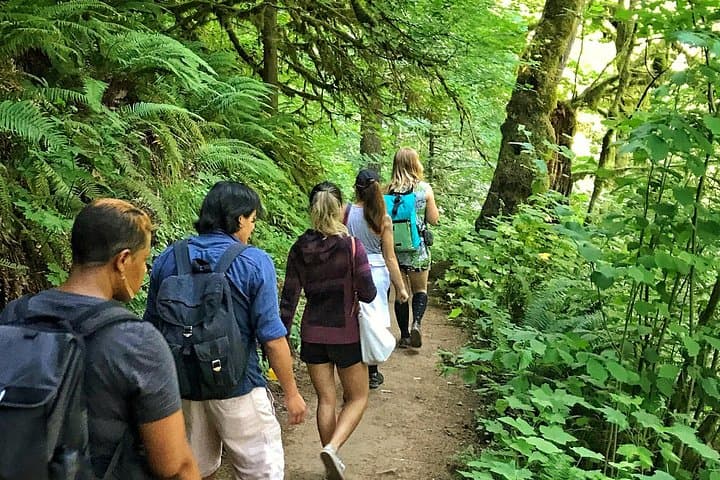
Lose the city for a few hours without leaving it: this 5-mile, 900-foot-gain Forest Park loop threads old-growth pockets, city viewpoints, and cultural landmarks for a compact taste of Portland’s wild side. Expect moss, roots, and stories.