
What the day feels like
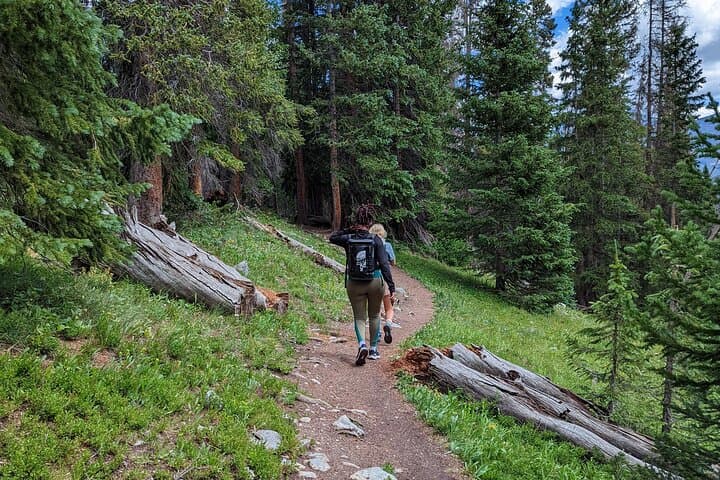
At first light, the Flatirons lean over Boulder like a fleet of sandstone sails catching the day’s first wind. The path threads past dew-slick grass and into a stand of ponderosa pines that exhale vanilla on the breeze. Gravel underfoot crunches a steady rhythm as the city grows quiet behind you and the slabs ahead seem to whisper onward. The route tilts up, the pulse rises, and the foothills of the Rockies do what they always do—they test, they reward, they nudge you deeper into their story.
This is the entry point to Boulder’s signature hike, an immersive wander among the tilted sandstone blades that define the town’s skyline. With a local guide like Preston—a Boulder resident who reads this landscape like a friend—you don’t just cross miles; you gather stories. He’ll point out the sticky resin of Douglas-fir and the sweet vanilla bark of the ponderosa. He’ll spot a prairie falcon riding a thermal along the First Flatiron and rewind a century to when this meadow buzzed with the Colorado Chautauqua movement’s summer lectures.
The appeal is more than photogenic geology. The Flatirons are time folded into stone. These slabs belong to the Fountain Formation, a rust-red sandstone laid down roughly 300 million years ago, once horizontal, later cranked skyward by the Laramide orogeny that built the modern Rockies. Today, they tilt like doorstops against the sky, their iron-rich layers oxidized to ochre, their edges popular with climbers who trace delicate lines along their faces. Trails here weave across benches of stone and pockets of pine, shifting from smooth dirt to rough, knobby rock steps. You feel the terrain take charge; it asks for attention, rewards precise footwork, and gives views back in return.
Most visitors start at Chautauqua Park, where the trail network offers a choose-your-own-adventure mix of distance and gain. Expect 3–5 miles round-trip on a typical guided route, with 800–1,400 feet of elevation gain, enough to warm the lungs, especially at 5,700–6,800 feet above sea level. The paths rise quickly, linking Bluebell Road, the Chautauqua Trail, and the First/Second Flatiron trails, with detours to quiet overlooks when crowds thicken. The Flatirons dare you to keep climbing—each switchback nudges another slice of Boulder into frame: the checkerboard of neighborhoods, the shimmer of the plains, and on clear days, a far reach toward the distant foothills stitched together by light.
The cultural layer here runs deep. Boulder’s open space program—one of the first voter-funded initiatives of its kind in the United States—has protected these hills for decades. The 1898 Chautauqua Auditorium still stands near the trailhead, a reminder that education and outdoor life have long shared this stage. On the path, those ideas feel practical: a quick lesson in erosional forces where the trail narrows around bedrock, a conversation about restoration work near switchbacks, and a reminder to move respectfully through habitat shared by mule deer, Abert’s squirrels, and—occasionally—black bears.
Timing your hike matters. Summer mornings are crisp and clear until the high country cooks up afternoon thunderstorms that can roll east with unsettling speed. In spring, mud lingers in shaded gullies, and snow can surprise you in May; fall often lands as the crowd-pleasing sweet spot: warm days, cool nights, and light that makes the slabs glow. Winter trails, when dry, are runnable; when icy, they demand microspikes and careful steps. Year-round, the wind is an opinionated companion—it pushes, it cools, it reminds you you’re unroofed in the foothills.
For pacing, consider a steady, conversational stride up to the base of the First Flatiron, where the switchbacks steepen and the city drops away. Snack at a rocky perch while watching climbers thread routes like beads along the stone’s edge. The descent is a different story: downhill stones tilt and test ankles, and dust can turn the path slick. Good tread matters; so does patience. Hydration is non-negotiable, especially at altitude where dry air steals water quietly. Sunscreen feels like another piece of gear; Colorado sun can be blunt even when the air is cool.
And yet, for all its practicalities, this hike keeps a gentle hand on wonder. Forest shade breathes in and out, the slabs glow and dim with passing cloud, and the trail—the oldest storyteller in the park—never booms or lectures; it simply keeps going, inviting you to follow. With Preston’s local touch, the narrative sharpens: how to identify bittersweet Kinnikinnick along the path, why the trail braids sometimes appear near social junctions, where restoration crews have rebuilt water bars to shunt off erosion. Each note clips a little closer to the land, a reminder that stewardship is also part of the journey.
If you want the best of this place, launch early. Meet the trail before the heat swells and the parking lots fill. Bring layers: morning shade carries a chill even in July, and a brisk wind can pull heat from the skin while you admire the view. Expect company—it’s Boulder—but let that be part of the rhythm. Step aside for runners. Keep dogs leashed (OSMP rules) and heels off fragile edges. The Flatirons will be here tomorrow; let your footprints tell a light story today.
Finish at Chautauqua green, where lunch in town beckons and the slabs hang on the horizon like a promise. You’ll carry the sound of that gravel cadence home, a small rhythm that keeps saying go, go, go—the same rhythm that’s been echoing through these hills since the first trail cut its way into the stones.
Trail wisdom
Small choices, better day.
Start at First Light
Arrive before 8 a.m. to beat summer heat and secure parking at Chautauqua; afternoon storms are common June–August.
Tread Matters
The descent can be dusty and slick—wear shoes with aggressive lugs and keep poles handy if you’re prone to sore knees.
Altitude Awareness
At 5,700–6,800 feet, hydrate early and pace your climb; short breaks help more than long stops.
Respect Trail Closures
Seasonal wildlife and raptor closures shift routes—check OSMP updates before you go.
Local knowledge
Read the place, not just the route.
Watch for native species including Mule deer, Prairie falcon.
Keep an eye out for wildlife during the transition between areas and habitats. Respect distance guidelines.
Boulder’s Open Space and Mountain Parks program protects these trails—stay on designated routes to prevent erosion and respect seasonal wildlife closures.
Follow the guide's instructions on size limits, ethical handling, and leave-no-trace practices.
Enchanted Mesa’s quieter loop for a soft-landing cooldown. Bluebell Shelter overlook for a quick, uncrowded snack spot
Locally recommended viewpoints and quiet spots known best to local operators.
The Colorado Chautauqua, established in 1898 at this very trailhead, fostered outdoor education and cultural programming that still continues today.
Maritime roots and regional tradition shape the waterways and working coasts.
Seasonal guide
Four versions of the same landscape.
Spring
Best forWildflowers · Cool hiking temps
ChallengesMud on shaded sections · Late snow or ice patches
Expect variable conditions. Early starts help avoid soft, muddy tread later in the day.
Summer
Best forLong daylight · Early-morning starts
ChallengesAfternoon thunderstorms · Crowds and hot sun
Go early, carry extra water, and be off exposed ridges before storms build after lunch.
Fall
Best forStable weather · Golden light and foliage
ChallengesShortening days · Occasional early snow
Often the best window: crisp air, fewer storms, and glowing sandstone under low sun.
Winter
Best forQuiet trails · Clear views on cold days
ChallengesIce on shaded slopes · Wind chills
Pack microspikes and a wind layer; sunny winter days can be spectacular when trails are dry.
Operator details
What the booking data adds.
Included
- ✓Trekking poles can be provided upon request prior to trip
- ✓There are various water fill stations to top off any water bottles before the hike
Good to know
- ✓Public transportation options are available nearby
- ✓Not recommended for travelers with spinal injuries
- ✓Not recommended for travelers with poor cardiovascular health
- ✓Travelers should have at least a moderate level of physical fitness
Pack with intention
What to bring.
Good to know
Common questions.
Typical guided routes are 3–5 miles round-trip with 800–1,400 feet of elevation gain, taking about 3 hours depending on pace and conditions.
Plan the edges
The details that make the day easier.
The Flatirons are part of the Fountain Formation, sandstone deposited roughly 300 million years ago and tilted during the Laramide orogeny that uplifted the Rockies.
Post-hike, refuel on Pearl Street: grab tacos at T/aco, a pint at Avery Brewing’s taproom, or a burger at Mountain Sun. Coffee at Ozo or Boxcar pairs perfectly with a slow stroll past street performers and local shops. If timing aligns, catch a concert at the historic Chautauqua Auditorium.
- Closest airport
- Denver International (DEN), ~45–60 minutes by car. Trailhead: Chautauqua Park, 900 Baseline Rd, Boulder. From downtown Boulder: 5–10 minutes by car or a short RTD bus ride. Cell service: Generally good near trailhead, spotty in gullies. Permits: No day-use permit; expect paid
Stay on established trails to protect cryptobiotic soils and fragile grasslands. Pack out all trash, yield to wildlife, and respect seasonal closures that protect nesting raptors and restoration areas.
Explore by topic
Follow the threads.
Keep exploring
Make the story part of the trip.
Set out from Bass Harbor for a private, customizable day on Blue Hill Bay — lighthouses, puffins, seals, and the chance to feel Acadia from the water. Small groups, local captains, unforgettable views.
In four hours you can move from shaded canyon ferns to wind-scoured coastal ridgelines, guided by someone who knows where the light—and the hidden views—live. This private half-day hike on the Monterey Peninsula or Big Sur is compact, curated, and perfect for travelers who want depth without a multiday commitment.
 Related story
Beneath a sky of shifting light, Skaftafell’s ice reads like a map of time. This three-hour guided glacier hike mixes technical instruction with geology and culture: compact, safe, and unforgettable.