
What the day feels like
Dawn lifts slowly over the western Maine hills, a thin veil of mist unspooling across the lake as if the water itself were exhaling. Your paddle dips and the surface nods in agreement, sending ripples skittering toward a granite boulder where a loon watches with bright, prehistoric calm. On a private Lake & Pond Paddling Tour, the morning doesn’t just begin—it invites you in. The lake stirs and stretches, the breeze testing its edges like a curious neighbor, and you push off, following the quiet lead of a licensed Maine Guide.
This stretch of Maine—Bethel and the scatter of ponds and small lakes that orbit it—feels purpose-built for unhurried discovery. Flatwater paddling here is accessible and endlessly varied: tea-colored coves, spruce-laced islands, granite erratics left by the last Ice Age, and sandy shallows that feel engineered for a quick swim. With the pace tailored to your comfort, the miles slip by easily. Your guide, part naturalist and part storyteller, keeps a gentle cadence—pointing out a bald eagle perched in a white pine crown, tracing a loon’s echoing call across the basin, steering you toward a mid-tour island where the water turns clear and tempting for a refreshingly brisk dip.
Glaciers carved this story into the land, shouldering their way south and then retreating, leaving kettle ponds and scoured basins behind like punctuation marks. Many of the lakes around Bethel are glacial in origin—clean, relatively shallow in places, and edged with flinty shorelines. Their calmness is deceptive; even the smallest ponds have moods. Mornings are often glassy, afternoons can ruffle as thermals wake up, and evenings smooth back out like a well-made bed. The water has a voice—you just have to tune in.
People have been tuning in here for a long time. The Androscoggin Valley, a few minutes east, was part of the ancestral homelands of the Wabanaki peoples, who moved by water where it made the most sense to travel. Later, during the logging era, lakes and rivers shouldered timber on their backs; the ponds around Bethel served as quiet staging grounds before the current tugged logs downstream. Today, the tradition of traveling by water is more about listening than hauling. A guided paddle here isn’t just exercise—it’s an exchange. You ease your strokes, and the lake offers up small rewards: a beaver trail etched in lily pads, a dragonfly inspecting your bow, the hush of an eagle’s shadow sliding over a cove.
Trips range from easy two-hour explorations to lingering half-day circuits. Routes and launch sites flex with conditions and the season; your guide picks the spot where wind and light play nice. First-timers often opt for short out-and-backs with time for skill refreshers. More confident paddlers might trace the shoreline and duck into pocket coves, or commit to a relaxed circumnavigation. Either way, the water remains friendly, and the guide’s calm presence keeps the experience crisp and accessible. If you’re considering options, browse this private [guided kayak tour](https://app.advcollective.com/local-experts/lake-pond-paddling-tour) overview, which highlights how the day is customized to your pace—whether you’re in a sit-on-top kayak or standing tall on a paddleboard.
Wildlife is a steady companion. Maine’s lakes are famously good loon country; you’ll learn to read their language—a tremolo of territorial pride, a wail that lines up shores like sentinels. You’ll also keep a respectful distance: loons are sensitive to disturbance, especially in nesting season. Bald eagles patrol the thermals, scanning for careless fish, while kingfishers draw brackets across the edges of coves with their staccato chatter. With any luck, you’ll drift close enough to observe without changing their behavior. It’s not just sightseeing—it’s practicing good water etiquette. Your guide will coach you on spacing and approach angles so the lake’s residents remain unbothered.
There’s a practical, comfortable rhythm to the day. Before launching, you’ll review fundamentals: forward stroke mechanics, a simple sweep turn, how to trim your board or kayak in breeze, and what to do if you find yourself unexpectedly in the water. Then you slide off the beach and let the shoreline do the navigating. Expect 2–6 hours on the water, tailored to your group, with the option to stop at an island for snacks or a dip. Bring layers—Maine often asks for a light windbreaker even on warm days—and travel with a dry bag so your phone and camera survive the occasional splash. If you’re weighing sunrise or sunset, know this: calm air and abundant wildlife make early and late windows prime time. For those golden hours, consider the [sunrise or sunset paddle](https://app.advcollective.com/local-experts/lake-pond-paddling-tour) option; the lakes often glass off as if holding their breath.
Bethel itself plays a strong supporting role. It’s a small, outdoorsy community with an easygoing, mountain-town bent—home to skiers in winter and hikers, cyclists, and paddlers come summer and fall. You can grab a hearty breakfast before your tour or celebrate afterward with a local beer and lakeside stories. If curiosity runs deeper, make it a mini-circuit: pair your paddle with a walk to the Artists’ Covered Bridge in nearby Newry, or scan the Androscoggin’s broad bends at dusk for moose along quiet backroads.
It’s hard to overstate the calming competence of a Maine Guide. These waters are friendly, but local knowledge elevates the whole experience—reading wind, knowing which island’s lee will be warmest, where the loons are nesting this week, and which pocket beaches offer sandy footing. If you’re traveling with kids (ages 5+ are welcome), or if a private, low-drama day sounds like the kind of vacation memory you want to keep, this curated [paddleboard and kayak tour](https://app.advcollective.com/local-experts/lake-pond-paddling-tour) is the cleaner, smarter way to do it. The lake will do what it always does—test, tease, and ultimately welcome—and you’ll meet it on good terms. By the time you turn back toward the launch, the wind is likely to lay down just a little, as if the water approves of your visit.
Bring what you need and nothing you don’t. Dress for immersion, even if you never take a swim. And pack a curiosity that’s in no hurry—the kind that listens when the lake clears its throat and says, quietly but clearly, Stay a minute longer.
Trail wisdom
Small choices, better day.
Aim for dawn or dusk
Book an early or late paddle for calmer water, softer light, and the best chance to hear and see loons.
Paddle into the wind first
Start your route facing the breeze so you can ride an easier downwind return when you’re getting tired.
Keep wildlife space
Stay at least 200 feet from loons and shorelines with nests; if a bird changes behavior, you’re too close.
Dress for immersion
Choose synthetic or wool layers and a light windbreaker—Maine lakes can chill you even on warm days.
Local knowledge
Read the place, not just the route.
Watch for native species including Bald Eagle, Common Loon.
Keep an eye out for wildlife during the transition between areas and habitats. Respect distance guidelines.
Help protect loon habitat by keeping distance from nesting shorelines and using non-lead fishing tackle. Rinse boats and gear to prevent the spread of invasive plants like milfoil.
Follow the guide's instructions on size limits, ethical handling, and leave-no-trace practices.
Early-morning drift along a lily-pad cove where loons often feed—quiet your paddle and listen for the tremolo.. A mid-lake island sand pocket perfect for a quick swim and snack away from the breeze.
Locally recommended viewpoints and quiet spots known best to local operators.
The Bethel area lies within the Wabanaki homelands; later, local lakes and the Androscoggin River supported Maine’s logging era as seasonal transport corridors.
Maritime roots and regional tradition shape the waterways and working coasts.
Seasonal guide
Four versions of the same landscape.
Spring
Best forLoon calls · Cool, crisp mornings
ChallengesCold water temps · Variable wind and rain
Expect lively wildlife and quiet launches. Water is cold—dress warm and keep paddles shorter while you acclimate.
Summer
Best forIsland swims · Family outings
ChallengesAfternoon breezes · Insects at dusk
Peak season with warm water and long days. Book sunrise or sunset for glassy paddling and lighter boat traffic.
Fall
Best forFoliage reflections · Cool, steady conditions
ChallengesShorter days · Cooling water
Crisp air and fiery shoreline color make for stunning paddles. Pack extra layers and plan for earlier finishes.
Winter
Best forQuiet shore walks nearby
ChallengesIce-covered lakes · Very cold temps
Paddling typically pauses when lakes freeze. If you’re visiting, explore local trails and respect ice safety signage.
Pack with intention
What to bring.
Good to know
Common questions.
No. Your Maine Guide will tailor the pace, route, and instruction to your comfort level, making it beginner-friendly.
Plan the edges
The details that make the day easier.
Maine’s annual loon count regularly tallies over 3,000 adult loons—one of the largest populations in the Northeast, according to Maine Audubon.
Refuel in Bethel at a local café for a hearty breakfast pre-paddle, then celebrate afterward with a Maine craft beer and a lobster roll in town. If you have time, swing by the Artists’ Covered Bridge in nearby Newry and stroll the riverbank for a quiet, classic New England moment.
- Closest airport
- Portland International Jetport (PWM), ~1 hour 45 minutes by car. Launch sites vary within 5–25 minutes of Bethel. Cell service can be spotty at some lakes—download maps and confirm meeting points in advance. No permits required for non-motorized craft; follow local parking rules and clean-drain-dry your gear.
These lakes support nesting loons and raptors—keep a wide berth from nests, minimize shoreline landings, and pack out all trash. Rinse boats and leashes to stop invasive species from hitching a ride between waters.
Explore by topic
Follow the threads.
Keep exploring
Make the story part of the trip.
In four hours you can move from shaded canyon ferns to wind-scoured coastal ridgelines, guided by someone who knows where the light—and the hidden views—live. This private half-day hike on the Monterey Peninsula or Big Sur is compact, curated, and perfect for travelers who want depth without a multiday commitment.
 Related story
Beneath a sky of shifting light, Skaftafell’s ice reads like a map of time. This three-hour guided glacier hike mixes technical instruction with geology and culture: compact, safe, and unforgettable.
 Related story
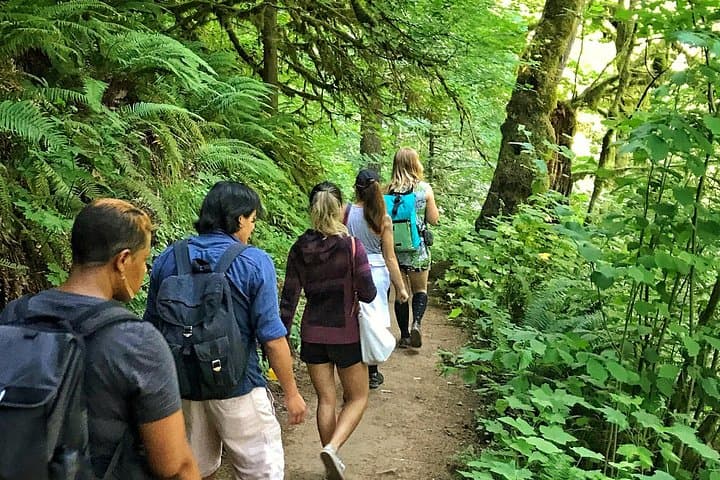
Lose the city for a few hours without leaving it: this 5-mile, 900-foot-gain Forest Park loop threads old-growth pockets, city viewpoints, and cultural landmarks for a compact taste of Portland’s wild side. Expect moss, roots, and stories.