

What the day feels like
You arrive at the rim before sunrise, the Atlantic a low, slow breath below. Fog clings to the kallahr — no, wait — to the sea, then peels away as the sun grows impatient. The cliff here announces itself in a language of basalt and wind: sheer, uncompromising, 580 meters of rock dropping into a swath of cultivated soil and rolling blue. A glass platform juts like an invitation and a dare; when you step onto it the ocean seems to hurry closer, as if the waves are curious to see who’s looking down at them.
Cabo Girão is one of those places that does two things at once: it humbles you with scale and flatters you with accessibility. From Funchal the drive is a gentle unspooling of coastal roads, vineyards clinging to terraces, and whitewashed houses with red roofs. Your guide — or the small printed map if you’re going it alone — points out mini-architectures of small farms at the cliff foot called fajãs, the tiny patches of arable land fenced in by stone and sea spray. Those cultivated ledges speak to Madeira’s long human story: levadas, gravity-fed irrigation channels, run like lifelines down slopes and into terraces, some routes tracing technology in use since Roman times.
The geology is direct: these cliffs are basaltic, a record of volcanic fire cooled and slotted into strata, then sliced by the ocean and time. Wind and weather keep the line where land surrenders to water sharp and dramatic. The island’s laurel forests sit inland like a hidden second act; here at the rim, the show is sky and sea.
Culturally, Cabo Girão sits between two worlds. Câmara de Lobos — a fishing village painted like a postcard with wooden boats bobbing in its harbor — feeds the mouth and rhythm of the place: fresh fish, a pot of poncha, fishermen mending nets. Funchal is twenty to thirty minutes east, a larger city where markets hum and the island’s history of sugar, wine, and seafaring is on display. On any good afternoon you’ll hear Madeira’s past in the cadence of local speech and smell it in roasting chestnuts at a street stall.
Most visitors come for the skywalk: a suspended, transparent platform that puts you literally over the cliff. It’s a short walk from the viewpoint’s parking area and fits inside a half-day itinerary — the Viator product clocks a four-hour window from pickup and back — but the time you spend there can be expansive. Watch for the light: morning brings clarity and calmer winds; late afternoon gilds the terraces and catches the fisherman’s boats with cinematic streaks.
Practicalities matter here. The viewpoint is accessible by car and by organized tour; the road is paved and parking exists, but in high season spaces fill fast. The path to the glass platform is short and well-maintained but exposed: wind can be fierce and sudden gusts will rearrange your plans if you’re wearing a hat or traveling with flimsy cameras. There are no technical climbs required, but good balance and steady footwear are useful if you plan to venture to adjacent lookout points or follow short coastal tracks.
Because the cliffs are dramatic, they attract more than photographers. Respect for the site’s fragile edge is vital: stay behind railings, avoid trying to access the cliff face below the viewpoints, and don’t fly drones without permission — the wildlife and local managers are strict for good reason.
If you’re building a day: pair Cabo Girão with a morning exploring levadas inland or an afternoon in Câmara de Lobos for seafood and a poncha bar. For photographers, early light and late golden hour are best; for families, mid-morning after the crowds thin is sensible. And if you’re prone to vertigo, take a seat on the platform’s edge and let the view find you gradually — the human response to a giant drop is natural; pacing matters.
Why travel here? Because few places combine accessible infrastructure, dramatic geology, and a small-scale human landscape like Madeira. The cliff asks you to look — at scale, at craft, at how people have coaxed gardens from near-impossible slopes. It’s a short, concentrated reminder that the Atlantic is both a border and a collaborator in the island’s story.
The tour is pragmatic: roughly four hours with transport, a guided explanation of the levadas and farmland below, and time on the platform. Pricing from the listing shows about $70.97 (USD), which many find reasonable for door-to-door pickup from Funchal, local context, and a calm, well-run visit.
On a bigger scale, Cabo Girão is an access point to things that make Madeira quietly irresistible: day hikes that thread laurel forest and coastline, fishermen’s harbors that serve the island’s food culture, and a geology that feels tactile enough to touch. Walk the rim, stand on the glass, and then go find a table by the water for fish grilled without pretense. The cliff will still be there the next day.
Trail wisdom
Small choices, better day.
Time it for light
Visit in early morning or late afternoon for the best light and calmer winds; mid-day can be harsh and crowded.
Bring a wind layer
Southerly Atlantic winds can be sudden; a light windproof jacket keeps you warm and stable on exposed viewpoints.
Mind your footing
Wear sturdy shoes—the paved path is short but can be slippery when wet and the rim is exposed.
Respect the platform rules
Follow staff instructions on the glass deck, avoid running, and secure loose gear to protect staff, visitors, and seabirds.
Local knowledge
Read the place, not just the route.
Watch for native species including Madeira Firecrest (a tiny endemic songbird), Cory's Shearwater and other seabirds hunting offshore.
Keep an eye out for wildlife during the transition between areas and habitats. Respect distance guidelines.
Visitor management keeps the platform and trails safe — stick to paths, avoid cliff-edge shortcuts, and don’t disturb nesting birds.
Follow the guide's instructions on size limits, ethical handling, and leave-no-trace practices.
Walk the small terrace paths toward the lesser-used east-facing lookouts for quieter perspectives. Pair the viewpoint with a short stop in Câmara de Lobos for waterfront seafood and traditional poncha bars
Locally recommended viewpoints and quiet spots known best to local operators.
The levada irrigation system visible below dates back centuries; irrigation channels historically sustained terraced farming and some routes trace techniques used since Roman times.
Maritime roots and regional tradition shape the waterways and working coasts.
Seasonal guide
Four versions of the same landscape.
Spring
Best forWildflowers · Mild temperatures · Levada walks
ChallengesUnpredictable showers · Occasional low cloud on cliffs
Spring brings green terraces and manageable temperatures; carry a rain layer for sudden showers.
Summer
Best forClear views · Warm weather · Long daylight
ChallengesPeak crowds · Strong sun and glare
Summer offers the clearest sea views but expect more visitors and bright, reflective conditions.
Fall
Best forFewer crowds · Warm seas for coastal stops · Golden light
ChallengesIntermittent storms · Shorter days
Autumn is ideal for fewer people and great light, though weather can be more changeable than summer.
Winter
Best forDramatic seas · Storm-watching · Lower prices
ChallengesWindy conditions · Cloud cover or closures
Winter delivers raw oceanic drama and quieter viewpoints; check local conditions for closures due to wind.
Operator details
What the booking data adds.
Included
- ✓Private transportation
Good to know
- ✓Service animals allowed
- ✓Public transportation options are available nearby
- ✓Not recommended for travelers with spinal injuries
- ✓Not recommended for pregnant travelers
- ✓Not recommended for travelers with poor cardiovascular health
- ✓Suitable for all physical fitness levels
Pack with intention
What to bring.
Good to know
Common questions.
Yes — it’s engineered to strict safety standards and monitored; follow staff instructions and capacity limits.
Plan the edges
The details that make the day easier.
Cabo Girão is about 580 meters high and is considered one of the highest sea cliffs in Europe.
After the viewpoint, head to Câmara de Lobos harbour for freshly grilled fish and a poncha — Madeira’s sugarcane spirit — or return to Funchal’s Mercado dos Lavradores for fruit, local cheeses, and pastries.
- Closest airport
- Cristiano Ronaldo Madeira Airport (FNC) ~25 km; Driving distance from Funchal: ~15 km
- 25–30 minutes; Cell service
- generally good along the road and at the viewpoint; Permits: none required for general access; Parking: limited in high season; organized tours often include pickup.
Stay on marked trails, pack out all waste, avoid drone disturbance of seabirds, and support local guides who contribute to conservation efforts.
Explore by topic
Follow the threads.
Keep exploring
Make the story part of the trip.
In four hours you can move from shaded canyon ferns to wind-scoured coastal ridgelines, guided by someone who knows where the light—and the hidden views—live. This private half-day hike on the Monterey Peninsula or Big Sur is compact, curated, and perfect for travelers who want depth without a multiday commitment.
 Related story
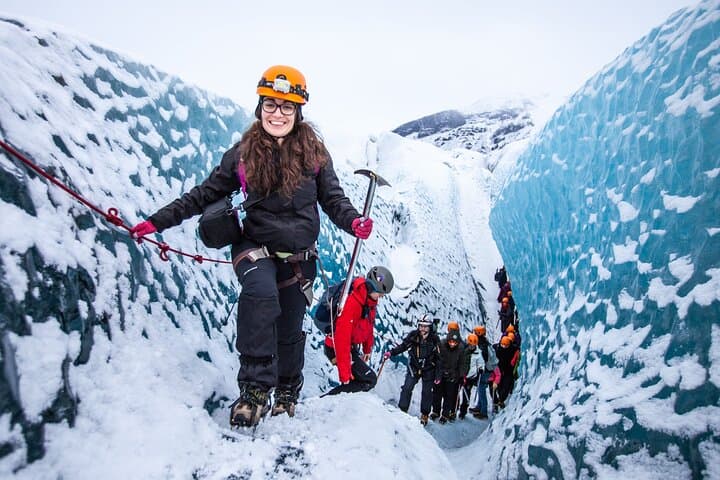
Beneath a sky of shifting light, Skaftafell’s ice reads like a map of time. This three-hour guided glacier hike mixes technical instruction with geology and culture: compact, safe, and unforgettable.
 Related story
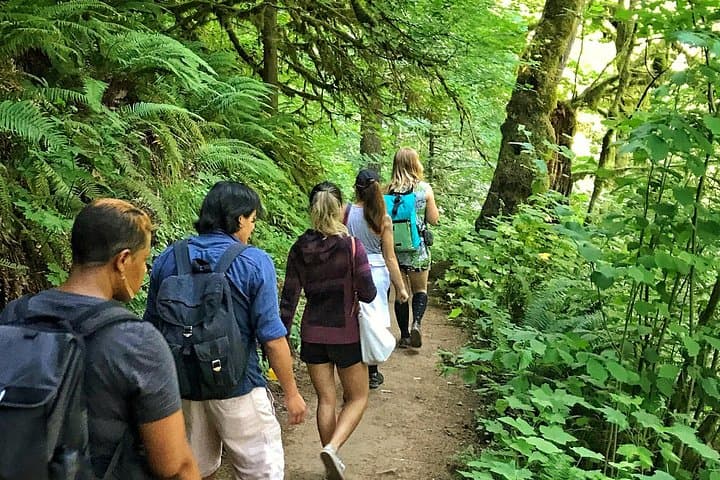
Lose the city for a few hours without leaving it: this 5-mile, 900-foot-gain Forest Park loop threads old-growth pockets, city viewpoints, and cultural landmarks for a compact taste of Portland’s wild side. Expect moss, roots, and stories.