
What the day feels like
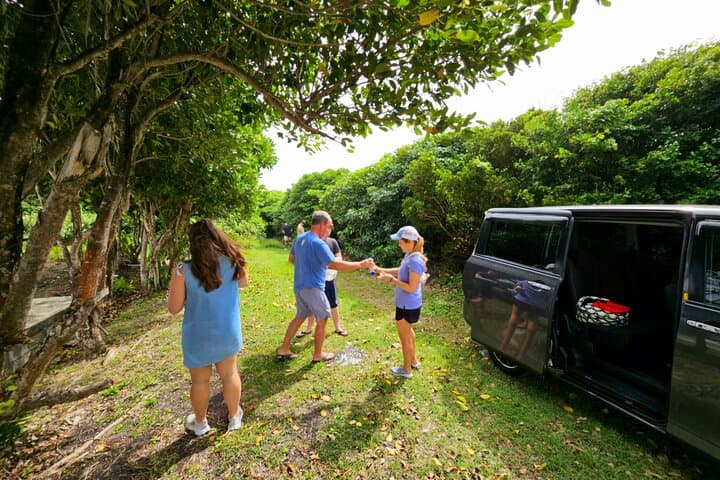
You step off the van at a coastal overlook and the sea inhales—the turquoise stretches, a scatter of fishing boats like punctuation marks on the water. The air smells of salt and spice; nutmeg and cinnamon, sun-warmed, rise from orchards just inland. For five to six hours you will ride Grenada’s spine in a cool, air-conditioned van, but the real motion is the one that happens in you: a steady loosening as landscapes and stories pass by, one town into another, waterfalls giving way to sugar-tinged plantations, beaches that glare and then soften into coves. This is not a sprint past photo ops. It’s a paced, personable day with a local guide who is part storyteller, part cultural interpreter, part safe-driver—your translator in a place that insists on being felt as much as seen.
What a full-day island discovery tour does well is stitch the obvious places to the half-forgotten ones. Grenada is small—just 344 square kilometers—but its history is layered. French planters first set down cocoa and sugar; the British brandished their flags later, and both left roads, forts, and a creole culture that tastes in its food and sings in its Friday-night rhythms. The island’s geology is volcanic; the interior is a green, humpbacked profile of ridges and crater lakes. Streams that begin as polite trickles in gullies become bold waterfalls—announcing themselves with a voice that demands a towel and an extra camera battery.
Belmont Estate is an early highlight on many itineraries. It’s both teaching farm and chocolate lab—a working plantation that reframes “farm-to-table” into “bean-to-bar.” Here you can walk cocoa groves and watch roasting that smells like a cathedral to chocolate. Then the van climbs and the rainforest breathes close: Grand Etang National Park’s crater lake is a deep, glassy eye, and birds—hummingbirds and bananaquits—patrol the forest edge like small, animated ornaments. At Annandale Falls a short, well-laid path drops you under a curtain of water; you can step into the pool and let the cascade press its palm across your shoulders.
Along the western coast you’ll see the patchwork of fishing villages: Gouyave with its Friday night fish fry, the small markets where nutmeg sellers weigh your curiosity in small brown bulbs, and the crumbled forts that once watched for privateers and warships. Local guides weave these scenes into stories of resistance and survival—the sugar trade, the legacy of indentured laborers and African enslaved peoples, and the modern resurgence of agro-tourism centered around spices and chocolate. Nature here behaves like an earnest host: beaches offer both hush and spectacle, rainforest trails flirt with views, and the sea keeps calling you to its edge.
Practicalities are simple but essential. The tour is private and lasts roughly five to six hours; expect multiple short walks (nothing technical) and several stops for photographs, tastings, and short hikes. Terrain is mixed: paved roads, short stairways into waterfall pools, and uneven plantation paths. Wear supportive walking shoes that can get wet, sun protection, and bring a small day pack. Hydration is non-negotiable—temperatures can climb quickly—and reef-safe sunscreen will keep both your skin and the coral-friendly waters healthier.
Why book this? For travelers who want a compact but textured introduction to Grenada, it’s ideal: you’ll see botanical lifts, cultural hubs, natural waterfalls, and coastal panoramas without the logistical juggling that island travel otherwise requires. The guide’s role matters: a knowledgeable local will not only navigate roads but will pick a lunch spot, introduce you to small vendors, and point out flora that you’d otherwise miss—mango trees leaning like old storytellers, cacao pods like mottled lanterns hung low in the grove.
Timing matters. Morning departures mean cooler light and quieter beaches; afternoon runs into more market activity and the smell of grilling seafood. The tour’s private nature and instant confirmation mean you can plan it near the start or middle of your stay—use the first day to orient yourself, the middle to deepen curiosity. Price from USD 110 reflects the small-group, private format, local expertise, and included transport.
A final note about responsibility: Grenada’s ecosystems and cultural sites are resilient but not infinite. Stay on trails, pack out plastics, buy local goods directly when possible, and choose reef-safe sun care. In return, the island gives you its clearest courtesies—stories, flavors, a quiet that arrives on wind-bent coconut palms.
Practical snapshot: 5–6 hours, private van with AC, light walking (short hikes and waterfall approaches), price from about USD 110. Bring water, footwear that dries, and curiosity. Leave with a small pile of tasting notes, a few sun freckles, and a clearer sense of why Grenada earned its nickname, the Spice Isle.
Trail wisdom
Small choices, better day.
Bring reef‑safe sunscreen
Protect skin and coastal ecosystems—Grenada’s reefs benefit from non‑chemical sunscreens.
Wear quick-dry shoes
Paths to waterfalls and plantation yards are uneven and often wet—light hiking shoes or sandals with grip work best.
Carry cash for markets
Small vendors and roadside spice stalls often prefer cash for small purchases and tips.
Start early for cooler conditions
Morning departures avoid midday heat and give softer light for photos.
Local knowledge
Read the place, not just the route.
Watch for native species including Brown Pelican, Hummingbirds.
Keep an eye out for wildlife during the transition between areas and habitats. Respect distance guidelines.
Support local producers, use reef-safe sunscreen, and stick to trails—small actions help protect Grenada’s reefs and forested watersheds.
Follow the guide's instructions on size limits, ethical handling, and leave-no-trace practices.
Belmont Estate chocolate tour and behind-the-scenes farm path. Fort Frederick viewpoint at St. David’s—less visited and offers sweeping harbor views
Locally recommended viewpoints and quiet spots known best to local operators.
Grenada’s colonial era shaped its plantations; the island’s identity as the 'Spice Isle' comes from nutmeg and cinnamon cultivation established during French and British rule.
Maritime roots and regional tradition shape the waterways and working coasts.
Seasonal guide
Four versions of the same landscape.
Spring
Best forWaterfall visits · Plantation blooms
ChallengesOccasional showers · Lush trails can be slippery
Spring brings lush growth and comfortable temperatures—expect bright vegetation and occasional brief rain.
Summer
Best forBeach time · Snorkeling off calm days
ChallengesHigher heat and humidity · Afternoon showers
Summer is warm and humid; sea days are excellent but pack for sudden showers and strong sun.
Fall
Best forQuieter beaches · Local festivals
ChallengesShorter rain bursts possible · Variable sea conditions
Fall reduces visitor density and still offers warm weather, though brief rain squalls may appear.
Winter
Best forDry, sunny touring · Birdwatching in clear skies
ChallengesHigher visitor numbers in peak season · Book ahead
Winter (Dec–Apr) is the island’s dry season—bright, stable weather and ideal touring conditions.
Operator details
What the booking data adds.
Included
- ✓professional local tour guide
- ✓Bottled water
- ✓hotel pickup and drop off
Not included
- —Lunch
- —Alcoholic Beverages
- —Gratuities
Good to know
- ✓Service animals allowed
- ✓Public transportation options are available nearby
- ✓Infants are required to sit on an adult’s lap
- ✓Suitable for all physical fitness levels
Pack with intention
What to bring.
Good to know
Common questions.
The tour lasts about 5–6 hours with multiple short stops for walks, tastings, and viewpoints.
Plan the edges
The details that make the day easier.
Grenada is nicknamed the 'Spice Isle' and is one of the world’s notable producers of nutmeg and mace—nutmeg appears on the national flag.
After the tour, head to St. George’s wharf for fish sandwiches at a waterfront stall or to Belmont Estate’s tasting room for chocolate and rum pairings; try a local rum punch and look for small rum shops or Friday night fish fry in Gouyave for live music and community vibes.
- Closest airport
- Maurice Bishop International Airport (GND)
- Typical driving time to St. George’s
- 10–30 minutes
- Cell service
- generally good on coastal roads, intermittent in some interior spots
- Permits
- none required for this tour
Choose reef-safe sunscreen, avoid single-use plastics, buy directly from local artisans, and stay on marked trails to minimize impact.
Explore by topic
Follow the threads.
Keep exploring
Make the story part of the trip.
Set out from Bass Harbor for a private, customizable day on Blue Hill Bay — lighthouses, puffins, seals, and the chance to feel Acadia from the water. Small groups, local captains, unforgettable views.
In four hours you can move from shaded canyon ferns to wind-scoured coastal ridgelines, guided by someone who knows where the light—and the hidden views—live. This private half-day hike on the Monterey Peninsula or Big Sur is compact, curated, and perfect for travelers who want depth without a multiday commitment.
 Related story
Beneath a sky of shifting light, Skaftafell’s ice reads like a map of time. This three-hour guided glacier hike mixes technical instruction with geology and culture: compact, safe, and unforgettable.