
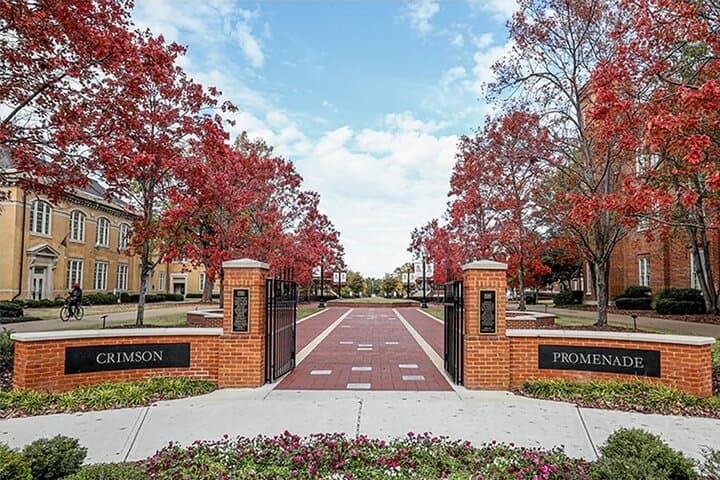
What the day feels like
The first clue lands at the base of Denny Chimes: a brass-toned riddle that hums with campus lore. Leaves stir at your feet; magnolia and live oak shade a path where generations of students have marched between lectures, protests and homecoming parades. Your phone buzzes with the next prompt. You glance up and find yourself studying a familiar landmark—only now it's a puzzle piece. That small reframing is the point of the Adventurous Walking Tour of the University of Alabama: an app-driven scavenger hunt that turns a three-mile stroll through Tuscaloosa’s historic campus into a detective story.
At its heart the game is simple and well-executed. You’re a Crimson Confidential investigator, charged with finding Big Al, the university’s elephant mascot who’s gone missing. A faithful basset hound sidekick named Archie—part of the narrative, part of the app’s charm—helps point you to 12 iconic stops: Denny Chimes, the President’s Mansion, Amelia Gayle Gorgas Library, and the twin quads that map the campus’s story in brick and oak. Each stop offers a puzzle or a trivia prompt that folds small bits of history into the satisfaction of unlocking the next location.
That blend of playful mystery and place-based learning is exactly what makes this experience more than a gimmick. The University of Alabama campus is a living museum of Southern higher education: antebellum-era buildings repurposed across centuries, monuments that carry the uneven legacy of the region, and new energy from students who keep the quads busy with studying, frisbee and ritual tailgating. The tour respects that complexity, offering historically grounded clues (and occasionally a wink) so you learn as you move.
Geology and geography are quiet characters here. The campus sits on the rolling coastal plain of west-central Alabama—its soils crafted from ancient marine deposits, leveling out into broad lawns interrupted by stately trees. The way the quads open to one another was intentional; paths guide you through sightlines and into courtyards where the next hint waits. Urban life presses in gently—a coffee cart, a student group handing out flyers—so the scavenger-hunt rhythm alternates between introspective moments at the library and social pulse points in front of common buildings.
Practically, it’s accessible. Expect about three miles of walking and plan 60–120 minutes depending on how deep you dive into the puzzles and side stops. The route is largely paved and stroller-friendly, but there are a few stretches of grass and stone steps around older buildings; comfortable shoes are essential. The app is the engine—ensure your phone is charged and you have downloaded the scavenger-hunt application ahead of time. The experience costs around $5, making it an affordable way to spend an afternoon with friends, family or as a solo urban adventure.
Timing matters. Spring and fall are the sweet spots: magnolias and dogwoods frame the quads in spring and the humidity is lower in October, when the campus hums with football-season energy. Summer can be sweltering; winter is milder than northern campuses but can be chilly and wet. Weekdays during academic session offer the most authentic interaction with campus life; weekend mornings are quieter and allow you to linger at each clue.
Safety is straightforward: keep to marked paths, obey campus traffic rules, and be mindful of classes and private events. Pack a water bottle and sunscreen in warm months; a light rain jacket is handy in the unpredictable shoulder seasons. Parking is available near campus lots—verify current rules and possible event restrictions on game days—and ride-shares drop you conveniently at major gates.
Beyond the hunt, this tour is a gentle invitation into Tuscaloosa. Reward yourself afterward with a plate of ribs at Dreamland Bar-B-Que, get a local pour at Black Warrior Brewing Company, or stroll across the river to the Kentuck Art Center in Northport if you want a dose of local culture. For families, the mix of outdoor movement, hands-on clues and campus landmarks makes a memorable, low-pressure way to introduce kids to college life.
In short: this isn’t just a walking tour. It’s a low-stakes competitive puzzle, a bite-sized history lesson, and a route that lets you feel how place and people animate each other. Whether you’re passing through Tuscaloosa before a game, looking for a novel date idea, or traveling with teens who’ll secretly enjoy playing detective, the Adventurous Walking Tour of the University of Alabama is an efficient, clever way to experience a storied campus without needing a whole day. Lace up, charge your phone, and prepare to let the campus lead you to Big Al—where the real prize is the stories you pick up along the way.
Trail wisdom
Small choices, better day.
Charge your phone
This is an app-driven tour—start with a full battery and a backup power bank to avoid interruptions.
Comfortable footwear
Paved paths dominate, but expect some grass and steps; supportive walking shoes keep the pace comfortable.
Hydrate and shade up
Carry a refillable water bottle and sunscreen—Tuscaloosa sun can feel intense in summer and spring.
Check campus events
Avoid football game days if you prefer quieter routes—home-game traffic and closures can affect parking and access.
Local knowledge
Read the place, not just the route.
Watch for native species including Gray squirrel, Common songbirds (mockingbird, cardinal).
Keep an eye out for wildlife during the transition between areas and habitats. Respect distance guidelines.
Respect campus green spaces: stay on paths when requested, pack out trash, and follow posted rules to protect landscaped and historic areas.
Follow the guide's instructions on size limits, ethical handling, and leave-no-trace practices.
Woods Quad—a quieter, tree-lined green that feels more secluded than the main Quad. The President’s Mansion gardens—small, well-tended grounds that often escape casual visitors
Locally recommended viewpoints and quiet spots known best to local operators.
The University of Alabama was founded in 1831; Denny Chimes, a campus bell tower, was dedicated in 1929 and remains an iconic meeting point.
Maritime roots and regional tradition shape the waterways and working coasts.
Seasonal guide
Four versions of the same landscape.
Spring
Best forMild weather · Blooming magnolias · Campus life and ceremonies
ChallengesPollen (allergies) · Occasional rainy days
Spring offers comfortable temperatures and flowering trees that make the quads especially photogenic; expect pollen and intermittent showers.
Summer
Best forLong daylight · Student energy · Off-peak weekdays
ChallengesHigh heat and humidity · Limited shade in some areas
Summer is warm and lively but can be hot—start early and take regular water breaks to stay comfortable.
Fall
Best forCrisp walks · Football season atmosphere · Beautiful foliage
ChallengesGame-day crowding · Higher lodging prices during events
Fall combines ideal walking weather with the university’s busiest, most festive weekends; plan around home games if you want a quieter visit.
Winter
Best forMild, uncrowded walks · Off-season rates · Clear light for photos
ChallengesCool, wet days · Some landscaping is dormant
Winters are generally mild but can be damp; dress in layers and expect fewer student activities on campus.
Operator details
What the booking data adds.
Included
- ✓Solving Amazing Puzzles around Campus
- ✓Learning more about University of Alabama's traditions and history
- ✓Self Guided so you can go at your own pace
Not included
- —Gratiuties
Good to know
- ✓Infants and small children can ride in a pram or stroller
- ✓Service animals allowed
- ✓Suitable for all physical fitness levels
Pack with intention
What to bring.
Good to know
Common questions.
Plan 60–120 minutes; average groups finish in about 90 minutes depending on pace and puzzle time.
Plan the edges
The details that make the day easier.
Denny Chimes was dedicated in 1929 and named for university president George H. Denny; it remains one of the campus’s most recognized landmarks.
After the hunt, head to Dreamland Bar-B-Que for classic Alabama ribs, stop by Black Warrior Brewing Company for local beer, or explore the Kentuck Art Center across the river for regional artwork—perfect ways to pair food, drink and culture with your campus walk.
- Closest airport
- Tuscaloosa Regional Airport (TCL) or Birmingham-Shuttlesworth International (BHM) ~45 minutes; trailhead
- starting point
- main quad near Denny Chimes; driving distance from downtown Tuscaloosa: under 10 minutes; cell service: generally reliable on campus; permits: none for the tour but check parking rules on event days.
This self-guided tour emphasizes low-impact visitation—stay on paths, dispose of trash properly, and avoid disturbing plantings and historical markers.
Explore by topic
Follow the threads.
Keep exploring
Make the story part of the trip.
Set out from Bass Harbor for a private, customizable day on Blue Hill Bay — lighthouses, puffins, seals, and the chance to feel Acadia from the water. Small groups, local captains, unforgettable views.
In four hours you can move from shaded canyon ferns to wind-scoured coastal ridgelines, guided by someone who knows where the light—and the hidden views—live. This private half-day hike on the Monterey Peninsula or Big Sur is compact, curated, and perfect for travelers who want depth without a multiday commitment.
 Related story
Beneath a sky of shifting light, Skaftafell’s ice reads like a map of time. This three-hour guided glacier hike mixes technical instruction with geology and culture: compact, safe, and unforgettable.