
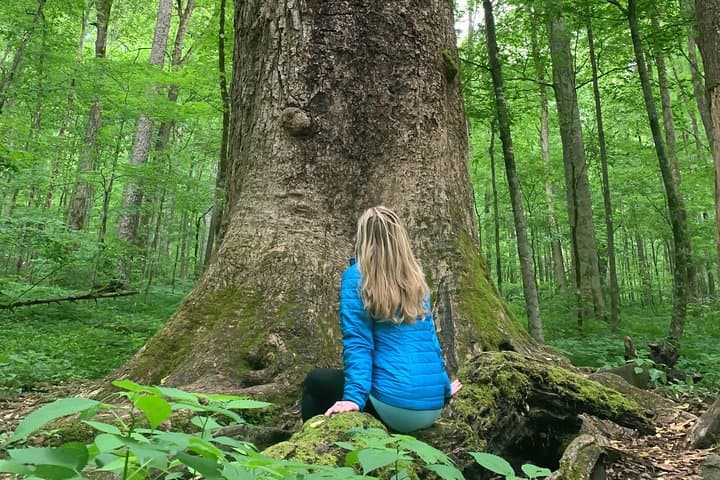
What the day feels like
The trail starts with the hush that follows a deep inhale. Gravel crunches underfoot as the forest widens its arms and the morning air meets you with a faint hint of rhododendron and wet earth. Somewhere uphill, a woodpecker is punching a steady rhythm into a pine. A creek, half-hidden by ferns, keeps its own counsel as it pushes forward around stones it has known for years. On a forest bathing and nature therapy walk in the Blue Ridge near Asheville, you’re not here to conquer a summit. You’re here to notice.
The guide invites a pace that feels almost rebellious in a world of step counts and PRs. You slow until your senses start to do the navigating: fingers grazing bark; a shaft of light sliding across moss like a quiet spotlight; the crispness of mountain air that still smells faintly of last night’s rain. This is the Appalachian forest as teacher, not obstacle—an environment that dares you to tune in rather than power through.
Forest bathing, or shinrin-yoku, took root in Japan in the 1980s as a public health practice, and decades of research now back what your body senses within minutes: time among trees can lower blood pressure, reduce stress hormones, improve mood, and sharpen focus. Scientists point to phytoncides—aromatic compounds trees release to communicate and defend themselves—that seem to give our nervous systems a beneficial nudge. The Blue Ridge, among the oldest mountain ranges on Earth, wears this wisdom like a well-earned patina. Hemlocks stand like deliberate elders. Sourwoods trace the breeze with delicate leaves. The trail doesn’t rush; it offers.
Around Asheville, these guided walks often take place in the folds of Pisgah National Forest and the Bent Creek area, where gently rolling paths lace through hardwood stands and patches of evergreens. Elevation change is mild. The pace is easier still. Over two to three hours, you may cover a mile or two at most, punctuated by invitations to engage with the forest: a few minutes to listen for the lowest sound you can hear, time to explore the forest floor’s tiny dramas—a beetle working a needle, a millipede practicing patience—or a quiet sit where the creek does the talking. The cumulative effect is a recalibrated attention, the mind unclenching to match the cadence of wind and water.
The local setting sharpens the experience. Asheville’s culture blends outdoor spirit with wellness-forward curiosity, so it’s no surprise this practice thrives here. These mountains have long been the region’s pressure valve—first for Cherokee communities who understood the spirit of these hills, then for retreat seekers drawn by cool summers and restorative air. In autumn, the hillsides flare with color; in summer, rhododendron tunnels make brief cathedrals of shade. Spring throws a fresh green veil over everything, and winter lays bare the forest’s architecture, all ribs and reach.
Geologically, the Blue Ridge carries age like a deep breath. Time has softened jagged peaks into rounded forms, and the forests have adapted into layered communities: oak and hickory higher up, tulip poplar and maple spilling down valleys, pine and hemlock holding steady where the soil thins. When you settle onto a log and simply notice, the mountain’s past shows up in small ways: quartz pebbles bright as sugar; lichens practicing slow art on granite; soil that smells like history rehearsed a thousand times.
Guides trained in forest therapy help you step into this slower rhythm with gentle prompts. There’s no right way to do it, and there’s no performance to measure—only attention. The invitations are practical: Bring awareness to your breath. Feel the ground under you as if the mountain is a chair that never wobbles. Taste the air and try to name it. Share, if you like, or hold your experience quiet. The forest doesn’t mind either way.
Practicalities are part of the appeal. You don’t need special gear beyond comfortable shoes and a light layer for the fickle mountain weather. The walk runs about three hours, leaving time for a late lunch in Asheville or a detour on the Blue Ridge Parkway. Hydration matters, even at a leisurely pace, and a small sit pad or lightweight towel makes creekside rests more comfortable. Expect uneven ground, occasional roots, and a few damp patches if it’s been raining. Most routes are beginner-friendly; the emphasis is on presence, not distance.
When the session wraps, you’ll likely feel a sense of elasticity in your day—like you’ve been rewound a notch. The guide may offer tea brewed from safe, local herbs, and there’s often a closing reflection to mark the small shift you’ve made: from doing to being, from rushing past to resting in.
Make a day of it: start with an early walk when birdsong is thick and the air is cool, then wander into Asheville’s South Slope for coffee or a pint. If you’ve never seen the Parkway in late afternoon light, drive a few miles to an overlook and watch color move like a tide across the ridges. The same attention you practice on the trail follows you off it. Food tastes a little brighter. Conversations stretch. Even the drive back feels easier, as if the road learned to breathe with you.
This is adventure in a different key—less summit, more soul. The forest does the leading. Your job is simple: show up, slow down, and let the mountains work on you the way rain works on stone—silently, steadily, with patience that outlasts hurry.
Trail wisdom
Small choices, better day.
Footwear That Bends
Wear cushioned walking shoes with flexible soles; you’ll move slowly and stand often, so comfort matters more than ankle protection.
Pack Light, Sip Often
Bring a small bottle of water and a snack; even an easy pace in mountain air can leave you thirsty.
Dress for Shade and Drips
A light layer or rain shell helps with cool hollows and passing showers common in the Blue Ridge.
Sit Pad = Instant Comfort
A small foam pad or folded towel makes creekside or forest-floor sits warmer and drier.
Local knowledge
Read the place, not just the route.
Watch for native species including Pileated woodpecker, White-tailed deer.
Keep an eye out for wildlife during the transition between areas and habitats. Respect distance guidelines.
Stick to established paths to protect understory plants and delicate soils. Pack out all trash, and avoid picking wildflowers or disturbing wildlife.
Follow the guide's instructions on size limits, ethical handling, and leave-no-trace practices.
Bent Creek’s lesser-used side paths near Lake Powhatan. Overlooks along the Blue Ridge Parkway around Milepost 393 for post-walk sunset
Locally recommended viewpoints and quiet spots known best to local operators.
Shinrin-yoku, or forest bathing, originated in Japan in the 1980s as a health initiative; Asheville’s wellness culture and proximity to the ancient Blue Ridge Mountains have made it a natural fit here.
Maritime roots and regional tradition shape the waterways and working coasts.
Seasonal guide
Four versions of the same landscape.
Spring
Best forWildflower spotting · Cool, damp air for deep breathing
ChallengesMud on trails · Variable temperatures
Fresh greens and wildflowers reawaken the forest. Expect soft ground and layers of mist in the mornings.
Summer
Best forShaded, cool canopy walks · Birdsong and lush understory
ChallengesHumidity · Insects
Dense foliage creates living tunnels of shade. Bring water and consider insect repellent.
Fall
Best forPeak foliage color · Crisp, clear air
ChallengesCrowded trailheads on weekends · Cool mornings
The Blue Ridge ignites in reds and golds. Arrive early for parking and pack a warm layer.
Winter
Best forQuiet trails · Long views through leafless trees
ChallengesCold snaps · Icy patches after storms
Bare branches turn the forest into a sculpture garden. Dress warm and watch footing after freeze-thaw cycles.
Operator details
What the booking data adds.
Included
- ✓Your walk culminates with a tea ceremony featuring a wild crafted infusion.
Not included
- —Gratuity
Good to know
- ✓Service animals allowed
- ✓Suitable for all physical fitness levels
Pack with intention
What to bring.
Good to know
Common questions.
It’s an easy, slow-paced experience covering about 1–2 miles over 2–3 hours with frequent pauses. No hiking experience is required.
Plan the edges
The details that make the day easier.
The term shinrin-yoku (forest bathing) was coined by Japan’s forestry agency in 1982, and studies have shown that exposure to tree-released phytoncides can lower cortisol and blood pressure.
After your walk, refuel at Sunny Point Café in West Asheville or grab small plates at Cúrate downtown. For a post-forest toast, Burial Beer Co. pours inventive ales, and Sierra Nevada’s Mills River taproom pairs wood-fired fare with a riverside beer garden.
- Closest airport
- Asheville Regional (AVL). Typical meeting areas: trailheads near Bent Creek
- Pisgah, 20–30 minutes from downtown Asheville. Cell service
- patchy to none on trail—download directions and confirm meetup before leaving town. Permits: none for guided walks; some trailheads (e.g., arboretum) may charge parking.
Stay on durable surfaces, leave what you find, and keep voices low near wildlife. This forest is a living system—your light footprint helps it stay that way.
Explore by topic
Follow the threads.
Keep exploring
Make the story part of the trip.
 Related story
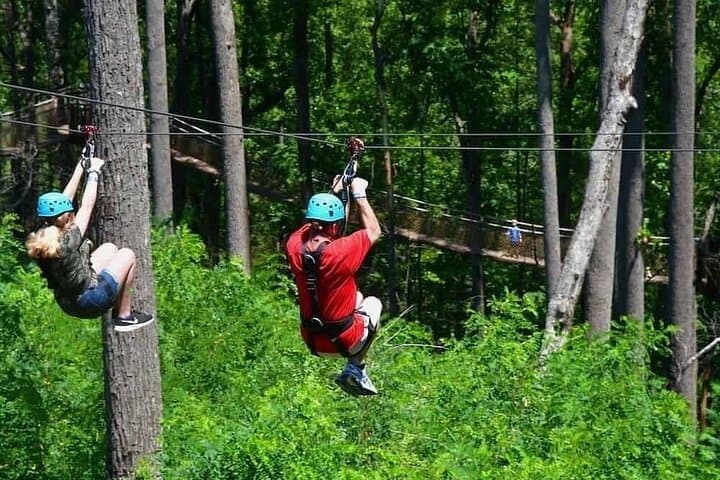
Less than two hours from Nairobi, Kereita Forest pairs hands-on canopy adventure with quiet montane trails and a sobering colonial history—perfect for families, teams, and curious travelers seeking a full-day pulse of nature.
Set out from Bass Harbor for a private, customizable day on Blue Hill Bay — lighthouses, puffins, seals, and the chance to feel Acadia from the water. Small groups, local captains, unforgettable views.
In four hours you can move from shaded canyon ferns to wind-scoured coastal ridgelines, guided by someone who knows where the light—and the hidden views—live. This private half-day hike on the Monterey Peninsula or Big Sur is compact, curated, and perfect for travelers who want depth without a multiday commitment.