
What the day feels like
Morning comes softly to Bellingham Bay. The tide exhales and the bay smooths itself like a satin sheet, while gulls heckle the quiet and a harbor seal watches with calm, unblinking composure. You slide a single sit‑inside sea kayak off the pebbled beach, settle into the cockpit, snug the spray skirt, and push out. The bay answers with a gentle lift, as if testing your balance before inviting you farther. This is the Salish Sea at its most approachable—practical, beautiful, and full of kinetic promise.
A single sit‑inside sea kayak moves differently here. It’s lean and deliberate, built to bite into wind chop and track true when the afternoon breeze starts to flex. It asks you to bring real skills—wet exit, self-rescue, a clear plan—because when you flip a true sea kayak, re-entry is a practiced dance, not an improvisation. That’s what makes this experience so satisfying: it’s not just a rental; it’s a compact expedition you can launch before lunch and still feel like you’ve earned dinner. If you’re comfortable with the basics and want to sharpen them on real saltwater, a <a href="https://app.advcollective.com/local-experts/single-sit-inside-kayak-rental">single sit‑inside kayak rental</a> is the way to learn by doing—safely, deliberately, and close to shore if you want, or out toward deeper blue if conditions allow.
Bellingham is the kind of waterfront that rewards curiosity. To the south, Chuckanut’s sandstone cliffs lean into the bay, knuckled and striated from ancient river deltas turned coastal rock. To the west, Lummi Island slouches against the horizon, its contour shifting with light. The bay hosts busy life—great blue herons broadcasting their scratchy opinions from pilings, cormorants arrowing low, and the occasional harbor porpoise rolling through like a disappearing comma. The water itself has personality: in the morning it’s contemplative; by afternoon in summer, it often gets restless as the northwest wind rallies. Time your paddle accordingly.
History scrapes these shores. The Fairhaven waterfront once shipped timber and salmon; redbrick buildings still hold the story in their bones. Beyond the city’s edge, Coast Salish peoples, including the Lummi Nation, have long fished and traveled these waters, reading the tides like a text handed down through generations. Kayakers today inherit the same rules of respect: know the weather, watch the tide, and give wildlife room to be wild.
What makes this rental stand out is the clear standard it sets. It’s not about gatekeeping—it’s about matching boat to bay. Sit‑inside sea kayaks are capable craft, with fine edges and a cockpit that becomes your workspace. That requires preparation. You’ll need to demonstrate a competent wet exit and have a rescue plan; expect to be quizzed on it before launch. If that sounds like a stretch, opt for a sit-on-top or take a class first. But if you can pass the quick check, you’re in for efficient mileage, confident edging, and a boat that becomes a quiet extension of your hips and shoulders.
Routes are modular. For an hour, trace the shoreline from Marine Park toward Taylor Dock, letting the city unfurl behind you while eelgrass waves below your hull. Two to three hours buys a loop toward Post Point (mind the heron reserve and seasonal buffers; observe from a distance) or an out-and-back along the Chuckanut shore, tucking into coves if wind builds. A half or full day invites ambition—north toward Zuanich Point, or south toward the shadowed edges below Clark’s Point. Keep it pragmatic: wind and tide will narrate your plan. Mornings tend to be calmer; afternoons often bring a northwest breeze that tests your forward stroke and rewards good bracing.
This bay is a teacher if you let it. Practice paddle-float re-entries in a protected corner. Drill T-rescues with a partner on a slack tide. Keep an eye on ferry and workboat traffic near the cruise terminal; they move fast and throw wake that can either coach your balance or punish inattention. A chart or mapping app plus local knowledge will make you sharper, but fundamentals rule the day: dress for immersion, not the air; stay within your limits; and communicate your float plan before you push off. If you’re ready to put skill into motion, this <a href="https://app.advcollective.com/local-experts/single-sit-inside-kayak-rental">sea kayak rental in Bellingham</a> delivers a clean, capable platform for real water time.
When the wind finally leans in and the chop turns playful, the kayak asks for gentle edges and steady cadence. The bay turns trainer—daring you to hold course, rewarding you with that electric, centered feeling when hull and body align. Turn for home with enough energy to spare; the last 15 minutes are rarely the time to test your limits. Slide back onto the beach, rinse the salt from your hands, and take stock: a handful of miles, a pocketful of small lessons, a sharper feel for the living grammar of tide and wind. You’ll want to do it again tomorrow.
Ready to launch? Check availability and skill requirements here: <a href="https://app.advcollective.com/local-experts/single-sit-inside-kayak-rental">book your kayak</a>.
Trail wisdom
Small choices, better day.
Know Your Rescue Cold
Be prepared to demonstrate a wet exit and execute a paddle-float or T-rescue. Practice in calm water before venturing farther from shore.
Time the Wind and Tide
Mornings are typically calmer; NW winds often build after noon. Check tide and current tables, and plan to return with a favorable wind if possible.
Dress for Immersion
Salish Sea water stays cold year-round. Wear a wetsuit or drysuit, and don a PFD at all times.
Mind Working Waterfronts
Give ferries and commercial vessels wide berth and cross channels decisively. Expect wake and avoid lingering in traffic zones.
Local knowledge
Read the place, not just the route.
Watch for native species including Harbor seals, Harbor porpoises.
Keep an eye out for wildlife during the transition between areas and habitats. Respect distance guidelines.
Eelgrass beds and heron rookeries are sensitive—land and launch on durable surfaces, keep your distance from roosts, and pack out every scrap.
Follow the guide's instructions on size limits, ethical handling, and leave-no-trace practices.
The pocket cove at Marine Park, ideal for quick rescue practice during slack tide. The Taylor Dock boardwalk, a scenic shoreline paddle with city views and easy landmarks
Locally recommended viewpoints and quiet spots known best to local operators.
Fairhaven’s waterfront grew from a 19th‑century maritime and timber hub; many of its redbrick buildings still overlook the bay today.
Maritime roots and regional tradition shape the waterways and working coasts.
Seasonal guide
Four versions of the same landscape.
Spring
Best forBrisk training paddles · Wildlife viewing
ChallengesCold water · Variable rain and gusty fronts
Expect cool air, cold water, and changeable weather. Mornings are often smooth; bring warm layers and a spray skirt.
Summer
Best forLonger explorations · Stable weather windows
ChallengesAfternoon NW wind · Heavier boat traffic
Start early for glassy conditions and aim to be off the water before the afternoon breeze strengthens.
Fall
Best forClear light for photography · Calm shoulder-season mornings
ChallengesShortening days · Sudden squalls
Cool, crisp days with excellent visibility. Watch forecasts closely and carry a headlamp if you’re stretching daylight.
Winter
Best forSkills practice close to shore · Solitude
ChallengesVery cold water · Strong storms and limited daylight
Only for well-prepared paddlers in drysuits. Choose protected routes, avoid storm days, and keep your outing short.
Pack with intention
What to bring.
Good to know
Common questions.
Yes. Sit‑inside sea kayaks require practiced wet exits and reliable re-entries. You’ll be quizzed on rescue basics before renting.
Plan the edges
The details that make the day easier.
Bellingham is the southern terminus of the Alaska Marine Highway System, with ferries departing from the Bellingham Cruise Terminal in Fairhaven.
Post‑paddle, stroll Fairhaven’s brick streets for a pint at Stones Throw Brewery’s outdoor beer garden. Grab chowder or a salmon burger at local cafés near the waterfront, or treat yourself to sunset views at Keenan’s at the Pier. For a quick caffeine fix the next morning, Colophon Café or a neighborhood bakery will set you up right.
- Closest airport
- BLI (20–25 minutes); SEA (≈2 hours). Launch near Fairhaven’s Marine Park on Bellingham Bay. From downtown Bellingham, it’s a 10‑minute drive. Cell service is generally strong near shore but can dip around rocky headlands. No permit required for rentals; PFDs are mandatory. Check marine forecast and small‑craft advisories before launching.
The Salish Sea supports eelgrass, forage fish, and rookeries—paddle softly. Avoid landing on vegetation, maintain wildlife distances, and pack out all trash and micro‑litter. Refill bottles at taps to reduce single‑use plastics.
Explore by topic
Follow the threads.
Keep exploring
Make the story part of the trip.
In four hours you can move from shaded canyon ferns to wind-scoured coastal ridgelines, guided by someone who knows where the light—and the hidden views—live. This private half-day hike on the Monterey Peninsula or Big Sur is compact, curated, and perfect for travelers who want depth without a multiday commitment.
 Related story
Beneath a sky of shifting light, Skaftafell’s ice reads like a map of time. This three-hour guided glacier hike mixes technical instruction with geology and culture: compact, safe, and unforgettable.
 Related story
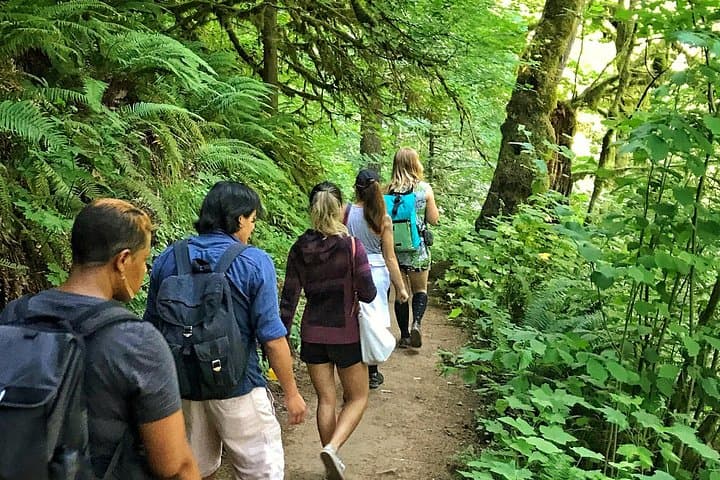
Lose the city for a few hours without leaving it: this 5-mile, 900-foot-gain Forest Park loop threads old-growth pockets, city viewpoints, and cultural landmarks for a compact taste of Portland’s wild side. Expect moss, roots, and stories.