
What the day feels like
Morning eases in soft and slow over Kure Beach, and the tide keeps time. You walk toward the kayak launch where the pavement fades to marsh, the last bit of Fort Fisher Boulevard surrendering to the water. Fiddler crabs retreat like stagehands, the reeds whisper, and a heron lifts itself into the air with a shrug. The guide checks the wind, reads the current, and grins: a good day to slip into The Basin. You push off, and the creek takes hold—polite at first, then confident—gliding you toward Zeke’s Island, where sandbars rise like secrets at low tide and dolphins sometimes cut a quiet arc through the channel.
This is the kind of coastal morning that makes you want to linger. The <a href="https://app.advcollective.com/local-experts/explore-zekes-island-family-friendly-kayaking-adventure-kure-beach-nc">Zeke’s Island Family Adventure Tour</a> is built for it, a 2.5–3 hour guided paddle through the bays and marsh creeks between Fort Fisher and Bald Head Island. It isn’t a workout for the sake of sweating; it’s a slow, attentive meander that invites you to listen. Here, the water leads but never bullies. The current nudges forward, ospreys inspect your passage, and pelicans fold the sky into wings before spearing the surface. In warmer months, the guide carries seine and dipping nets so kids (and those who remember what it’s like to be one) can catch-and-release tiny marvels—shrimp, minnows, blue crabs. The sand feels cool under bare feet during shore breaks, and you learn that this water is never in a hurry. It knows where it wants to go.
Zeke’s Island is part of the North Carolina Coastal Reserve and National Estuarine Research Reserve, a protected matrix of marsh, tidal flats, and barrier island scraps shaped by wind and longshore drift. The Basin owes its calm demeanor to “The Rocks,” a historic Army Corps of Engineers stone jetty built in the late 19th century to control the Cape Fear River’s unruly mouth. The Rocks hold the ocean at arm’s length just enough to create a lagoon-like sanctuary where shorebirds feed undisturbed and the seagrass combs the current. If you look south, you sense the sweep of maritime history—Fort Fisher’s earthworks just up the beach, Southport across the river, Bald Head Island lounging at the horizon’s edge.
Paddling here is as much about reading the day as reading a map. Mornings are best—cooler temperatures, gentler winds, tides that play nice. Your guide sets an easy pace, stopping on sandbars or shell islands to explore. It’s a great introduction to kayaking for beginners and younger paddlers: shallow waters (often 6 inches to 4 feet), stable sit-on-top kayaks, and an itinerary arranged around curiosity rather than mileage. You’ll learn to ferry across a soft current, turn cleanly with a sweep stroke, and hug the lee of marsh grass when the breeze pipes up. The water has personality, and today it’s friendly.
Wildlife watching is half the fun. Egrets stalk the edge like practiced anglers. Oystercatchers stride with orange bills flashing. In late spring and summer, you might glimpse diamondback terrapins poking periscopes from the shallows. Dolphins sometimes surface out near the channel, and skimmers rake the tide line with the bottom blade of their bill, scribbling sparks across the surface. No guarantees—this is a living coast—but the surprise is part of the draw. Each paddle here is a fresh roll of the coastal dice.
Between paddles, the guide becomes a storyteller. You hear how Fort Fisher’s ramparts once guarded the last Confederate lifeline, and how the jetty—the same stone spine you can walk at low tide—reshaped the coastline into a gentler, quieter place. The cultural notes are modern, too: a ferry ride from Fort Fisher to Southport makes a perfect add-on after a morning paddle; the Carolina Beach Boardwalk’s neon glow and Britt’s donuts will call you back in the evening; Good Hops Brewing pours a cold local pint when the sun drops.
Practically speaking, the tour is designed to be easygoing and accessible. No experience needed. Wear quick-dry layers and shoes that won’t swim away. Bring more water than you think—electrolytes in summer—and sunscreen you’ll actually reapply. Phones are welcome, but they deserve a dry bag; the marsh has an appetite for unsecured tech. The outfitter supplies the kayaks, paddles, PFDs, and an experienced naturalist guide who reads conditions like a book. Expect to paddle, then walk, then paddle again, unhurried. Expect to laugh. Expect to look up and forget what time it is.
If you’re traveling with kids, the <a href="https://app.advcollective.com/local-experts/explore-zekes-island-family-friendly-kayaking-adventure-kure-beach-nc">family-friendly kayaking in Kure Beach</a> piece is real: children 3–11 can ride tandem with an adult, and the frequent stops keep attention spans happy. Even reluctant paddlers tend to loosen into it, because the coast does the heavy lifting—color, breeze, space. And everyone gets to dip a net.
After the tour, stand a minute where the creek meets the wide water. The tide has changed its mind, as tides do, and the air tastes a little more like the sea. You’ll rinse sand from your ankles and hear the low chatter of gulls. It’s the soundtrack of a place that refuses to be noisy unless the weather says so. And you’ll carry the cadence of The Basin the rest of the day, even as the boardwalk calls and dinner plans take shape. The island keeps paddling long after you stow the boat.
For more background, best times, and local intel on planning a morning on the water, see our guide to the <a href="https://app.advcollective.com/local-experts/explore-zekes-island-family-friendly-kayaking-adventure-kure-beach-nc">Zeke’s Island Family Adventure Tour</a>.
Trail wisdom
Small choices, better day.
Launch Early for Calm Water
Book the earliest departure for lighter winds and glassier creeks—mornings are when The Basin is at its most forgiving.
Secure Footwear Wins
Skip flip-flops. Wear strapped sandals or water shoes that stay on during sandy shore stops and shell-studded landings.
Hydrate Like It’s Summer (Even When It’s Not)
Bring at least 1–2 liters of water per person; add electrolytes in warm months to stay sharp in the humid coastal air.
Protect Your Tech
Phones and keys go in a dry bag or waterproof pouch—marsh water doesn’t negotiate.
Local knowledge
Read the place, not just the route.
Watch for native species including Bottlenose dolphins, American oystercatchers.
Keep an eye out for wildlife during the transition between areas and habitats. Respect distance guidelines.
Zeke’s Island is part of the NC Coastal Reserve—respect posted closures for nesting birds, avoid trampling marsh grass, and pack out all trash.
Follow the guide's instructions on size limits, ethical handling, and leave-no-trace practices.
Walk a section of The Rocks at low tide for sweeping views of The Basin and Bald Head Island. Look for emerging sandbars mid-tide—prime spots for shorebird feeding and quiet photo ops
Locally recommended viewpoints and quiet spots known best to local operators.
Fort Fisher once protected the Confederacy’s last major port; The Rocks jetty (late 1800s) reshaped the inlet and formed the calm lagoon known as The Basin.
Maritime roots and regional tradition shape the waterways and working coasts.
Seasonal guide
Four versions of the same landscape.
Spring
Best forMild temperatures · Active birdlife
ChallengesChangeable winds · Cooler mornings
Expect fresh breezes, clear light, and busy marshes. Layers help for early starts, and wind can pick up by midday.
Summer
Best forWarm water paddling · Family outings
ChallengesHeat and humidity · Afternoon thunderstorms
Aim for morning tours to beat the heat and dodge pop-up storms; bring extra water and sun protection.
Fall
Best forStable weather · Migratory birds
ChallengesShorter daylight · Occasional frontal winds
Often the goldilocks season—warm water and crisp air—though early cold fronts can bring breezy days.
Winter
Best forQuiet waterways · Clear visibility
ChallengesCold water · Wind chill
Dress in insulating layers and windproof shells; wildlife spotting can be excellent on calm, bright days.
Pack with intention
What to bring.
Good to know
Common questions.
No. This tour is beginner-friendly with shallow, protected waters and frequent breaks. Your guide provides instruction and sets an easy pace.
Plan the edges
The details that make the day easier.
The stone breakwater called “The Rocks,” built by the U.S. Army Corps of Engineers between the 1870s and 1890s, created The Basin’s calm waters and helped stabilize the Cape Fear River channel—shaping today’s Zeke’s Island Reserve habitat.
Post-paddle, head to Kure Beach’s small-town heart: grab seafood at Jack Mackerel’s Island Grill or a cozy plate at Freddie’s by the pier. For craft beer, Good Hops Brewing in Carolina Beach pours local favorites, and a detour to the Carolina Beach Boardwalk for Britt’s Donuts is a rite of passage.
- Closest airport
- Wilmington International (ILM), ~40 minutes by car. Trailhead: Kayak Launch at Zeke’s Island Reserve, 2515 Fort Fisher Blvd S. From Carolina Beach, expect a 15-minute drive south. Cell service is limited around the launch and on the water. No permits required for the guided tour; arrive early for parking near the boat ramp.
Zeke’s Island is a protected estuarine reserve. Land only on durable sand, avoid posted bird-nesting areas, keep a respectful distance from wildlife, and pack out every scrap—including microtrash from snack wrappers.
Explore by topic
Follow the threads.
Keep exploring
Make the story part of the trip.
In four hours you can move from shaded canyon ferns to wind-scoured coastal ridgelines, guided by someone who knows where the light—and the hidden views—live. This private half-day hike on the Monterey Peninsula or Big Sur is compact, curated, and perfect for travelers who want depth without a multiday commitment.
 Related story
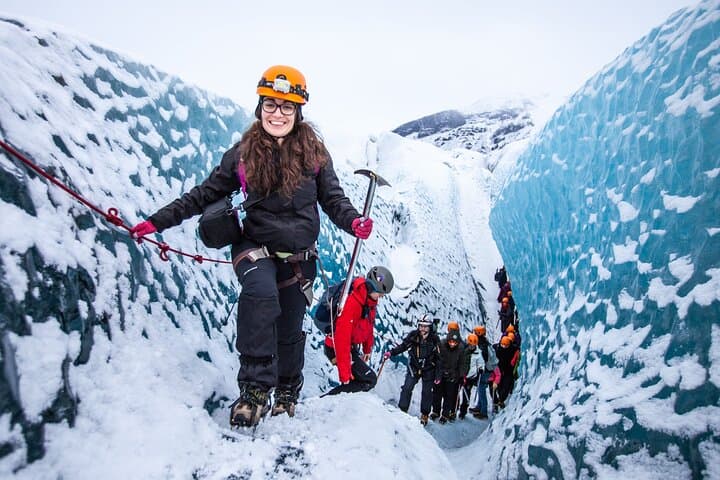
Beneath a sky of shifting light, Skaftafell’s ice reads like a map of time. This three-hour guided glacier hike mixes technical instruction with geology and culture: compact, safe, and unforgettable.
 Related story
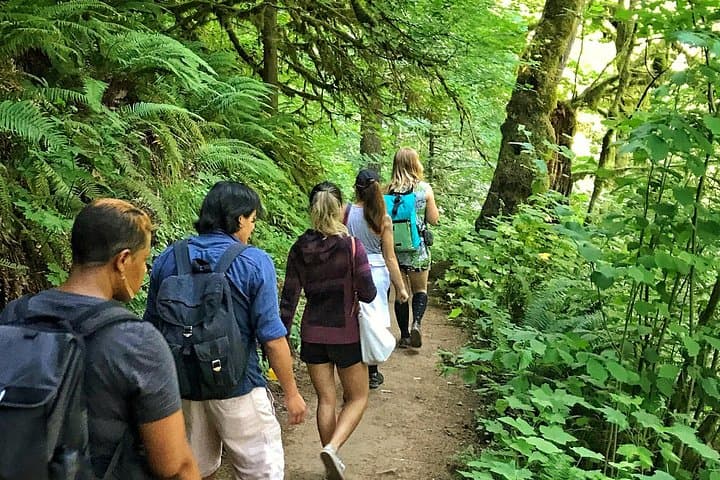
Lose the city for a few hours without leaving it: this 5-mile, 900-foot-gain Forest Park loop threads old-growth pockets, city viewpoints, and cultural landmarks for a compact taste of Portland’s wild side. Expect moss, roots, and stories.