
What the day feels like
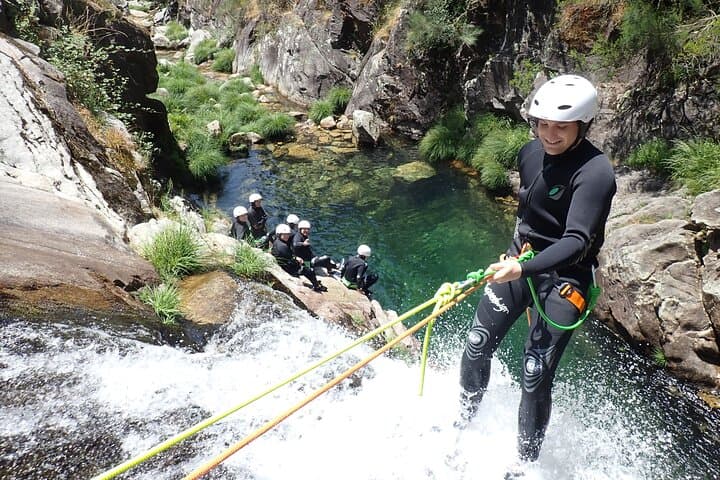
You step off a granite lip and the canyon answers with a roar: a narrow chute of cold, clear water racing between worn walls, daring you forward. Around you, the Vessadas River threads through a pocket of Portugal that still feels half-wild—steep mossed rocks, ferny ledges, and pools that catch the light like cut glass. On a hot summer afternoon this river is invitation and playground: an engineered set of natural slides, jumps, and short rappels laid out over a compact, family-friendly descent. It’s canyoning that reads like communal fun rather than technical alpinism, and that balance—thrill without uncompromising commitment—is exactly why travelers come here from Porto and beyond.
The Vessadas sits inside the broader story of Arouca, a municipality of the Aveiro district known for raw schist and granite geology, historic monasteries, and, lately, outdoor infrastructure like the Passadiços do Paiva and the Arouca 516 suspension bridge. The river carves its personality from granite and schist, offering slabs polished by millennia of water and sudden drops into crystalline lagoons. For geologists the grooves and rounded basins are textbook examples of fluvial sculpting; for travelers they’re conduits of joy—natural waterslides and plunge pools, punctuated by waterfalls where guides set short, manageable rappels.
Canyoning here is intentionally approachable. This tour emphasizes movement through the riverbed—walking, sliding, jumping, and the occasional rope maneuver—rather than long technical lowers. Guides lead groups through sequences of obstacles that can be skirted or embraced depending on comfort level. That makes the Vessadas a great choice for families with teens, mixed-skill groups, and first-timers who want a hands-on taste of canyoning without the commitment of multi-pitch rigging.
Culture and context accompany the plunge. Arouca’s villages were once defined by subsistence agriculture and small mills—the riverways powering life for centuries. Today, local guides draw upon that familiarity with landscape and seasonality to steward guests safely and sustainably. Expect short interpretive moments on the banks: mosses that mark perennial seepage, native chestnut and oak stands, and occasional talk of local folklore and monastic land use. After the descent, groups are often encouraged to visit a neighboring tascas (local tavern) for stews and goat cheeses that taste like place.
Practical navigation of the experience is refreshingly simple. The listed duration is four hours, with about 2–3 hours in the canyon itself. Meeting and gear time adds the rest. The tour is priced from roughly $77 (USD) and runs seasonally—peak operations aim for the warm months when water is inviting and daylight is long. Guides supply technical gear—harness, helmet, wetsuit where needed—but you should bring closed-toe water shoes or canyoning/approach shoes, a small dry bag for essentials, and a positive appetite for cold water and laughter.
Safety is woven into the itinerary. The Vessadas configuration means obstacles can often be bypassed: high jumps are optional, slides are graded for ease, and rappels are short and assisted by guide teams. That said, canyoning is a contact sport with rock and current, so reasonable fitness and comfort in moving water are prerequisites. Guides will brief groups on techniques for entering pools, how to control slides with your feet and hips, and simple rope commands. Expect stops to rehearse a move, a patient approach to nervous participants, and a playful coaxing that turns tentative first steps into wide grins.
Timing matters. Arrive mid-morning to maximize water clarity and sunlight in the amphitheaters; avoid storm windows since flash flows can raise water levels quickly. For photographers, the canyon’s narrow bowls favor dawn or late afternoon side-light for texture, but be ready to keep camera time short—phones should live in a waterproof case or left on shore during tighter maneuvers.
What you’ll remember isn’t just adrenaline but texture and temperature: the bite of the pool, the polished cool of granite under a palm, the smell of riverine ferns and lemony rock dust. And after the canyon, the social afterglow—leaning in a sunlit clearing to sip water, swap photos, and ask which jump everyone remembers—feels as essential to the day as any rope or helmet.
If you’re planning it, know this: it’s an entry-level canyoning day that still rewards respect for moving water. Come with sensible footwear, a sense of humor about cold soaks, and an appetite for local food afterward. The Vessadas is not about conquering nature; it’s about letting the river move you—literally and figuratively—through a slice of northern Portugal that’s both accessible and beautifully composed.
For travelers based in Porto, the Vessadas canyoning trip makes for an invigorating day trip or an adventurous overnight: drive time is reasonable, the surrounding Arouca Geopark offers a string of sights, and the hospitality in village restaurants will refuel you properly. This is canyoning that welcomes families and curious travelers, and in doing so it widens the map of what an active day in Portugal can look like.
Trail wisdom
Small choices, better day.
Footwear matters
Bring sturdy, closed-toe water shoes or canyoning shoes with good grip—the riverbed is slick even where it looks smooth.
Hydrate before you go
Drink water before the meeting time—cold water and exertion can mask dehydration; carry a small water bottle in a tuckable dry pouch.
Start conservative
Most jumps and drops are optional; try the smaller moves first and build confidence under guide supervision.
Secure electronics
Use a waterproof case or leave phones behind—guides will often offer a group photo spot, but pockets and hands are risky.
Local knowledge
Read the place, not just the route.
Watch for native species including Eurasian otter (Lutra lutra), Kingfisher (Alcedo atthis).
Keep an eye out for wildlife during the transition between areas and habitats. Respect distance guidelines.
The canyon’s water quality and riparian habitats are sensitive—use biodegradable sunscreen, keep to group limits, and follow guide instructions to minimize impact.
Follow the guide's instructions on size limits, ethical handling, and leave-no-trace practices.
Passadiços do Paiva (Paiva Walkways) for a post-canyon riverside walk. Arouca 516 suspension bridge for panoramic valley views
Locally recommended viewpoints and quiet spots known best to local operators.
Arouca’s landscape has long been shaped by monastic and rural communities—mills and stone terraces still dot the river valleys, reflecting centuries of local land use.
Maritime roots and regional tradition shape the waterways and working coasts.
Seasonal guide
Four versions of the same landscape.
Spring
Best forBlooming riparian vegetation · Moderate flows for dynamic descents · Fewer crowds
ChallengesCooler water temps · Variable spring rains can change conditions
Spring brings lively flows and verdant canyon walls—expect cooler water and the need for a thicker wetsuit on early-season days.
Summer
Best forWarm weather swims · Clear pools and sunlit exits · Family-friendly conditions
ChallengesHigher visitor numbers · Hot approach hikes
Summer is peak season: water is inviting, and the experience feels like a refreshing playground, so book ahead and arrive early.
Fall
Best forGolden light for photography · Lower crowds · Comfortable daytime temperatures
ChallengesCooler air and water in late fall · Shorter daylight hours
Early fall keeps pleasant temperatures and thinner crowds, but plan for brisk water and wrap-up before dusk.
Winter
Best forOff-season solitude · Watching storm-fed river dynamics
ChallengesCold water and air · Limited operations—many guides only run in warmer months
Winter canyoning is possible only with full thermal protection and experienced guides; most operators limit trips to the warmer months.
Operator details
What the booking data adds.
Included
- ✓Photo report
- ✓Bottled water
- ✓Delight yourself with a typical meal (included on option "With Lunch") on a Riverside Terrace Bar.
- ✓Personal Accident Insurance
- ✓Experienced Guides
- ✓All the necessary equipment
- ✓Snacks
- ✓All Fees and Taxes
- ✓Private transportation
Good to know
- ✓Service animals allowed
- ✓Specialized infant seats are available
- ✓Not recommended for travelers with spinal injuries
- ✓Not recommended for pregnant travelers
- ✓Not recommended for travelers with poor cardiovascular health
- ✓Suitable for all physical fitness levels
Pack with intention
What to bring.
Good to know
Common questions.
No—this tour is designed for beginners and families; guides teach basic techniques and offer options to bypass more exposed obstacles.
Plan the edges
The details that make the day easier.
Arouca is home to the Arouca 516 suspension bridge, which opened in 2021 and was the world’s longest pedestrian suspension bridge when inaugurated.
After a canyon run, look for a nearby tasca to sample roasted kid (cabrito), local cheeses, and regional Vinho Verde or a cold beer—villages around Arouca serve honest, warming dishes that pair perfectly with post-adventure appetite.
- Closest airport
- Porto (OPO) ~1–1.5 hours drive; Meeting point: operator-specified near Arouca; Driving distance from Arouca town: 20–40 minutes depending on exact meeting point; Cell service: intermittent in narrow canyons; Permits: None required for guided tours, but follow operator rules and local conservation guidance.
This river ecosystem is sensitive—pack out all waste, avoid entering pools with chemical sunscreens, and follow guides’ group-size limits to reduce erosion and disturbance.
Explore by topic
Follow the threads.
Keep exploring
Make the story part of the trip.
Set out from Bass Harbor for a private, customizable day on Blue Hill Bay — lighthouses, puffins, seals, and the chance to feel Acadia from the water. Small groups, local captains, unforgettable views.
In four hours you can move from shaded canyon ferns to wind-scoured coastal ridgelines, guided by someone who knows where the light—and the hidden views—live. This private half-day hike on the Monterey Peninsula or Big Sur is compact, curated, and perfect for travelers who want depth without a multiday commitment.
 Related story
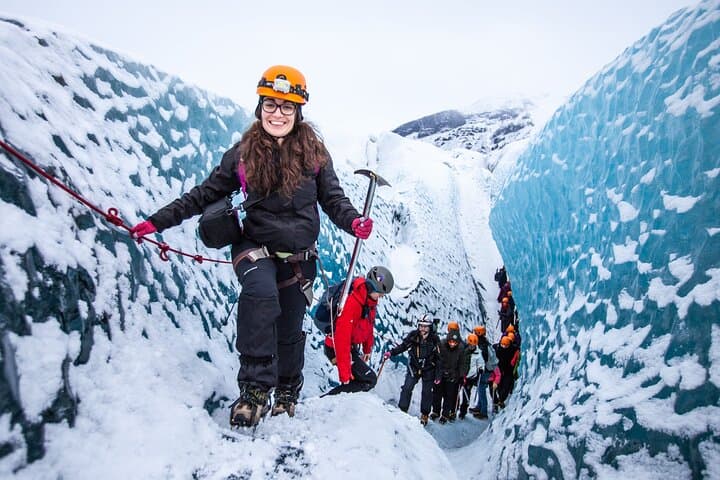
Beneath a sky of shifting light, Skaftafell’s ice reads like a map of time. This three-hour guided glacier hike mixes technical instruction with geology and culture: compact, safe, and unforgettable.