
What the day feels like
By late afternoon the lake has settled into its winter voice—ice groaning in long, whale-bone notes, wind combing the surface with a dry hiss. You tow your gear out across the glittering expanse toward a 6' x 10' heated SnoPro shack, a bright speck on the frozen plain. The door swings open and warm air rolls out like a welcome from an old friend. Inside, the world tightens to cedar walls, a safe glow from the heater, and a small window framing pine-black shoreline and a sky that will soon turn to stars. Outside, winter dares you. Inside, the shack answers with a steady hum: Settle in. Stay awhile.
This is ice camping without the misery—an overnight that trades frosty breath for a warm shelter and the luxury of time. In Winthrop, Maine, lakes like Maranacook, Annabessacook, and nearby Cobbosseecontee lock up early and hold their ice well into March. Book an Overnight ice shack rental to put yourself on that frozen stage without forfeiting comfort. You still get the crunch of snow under boot and the thrill of a white horizon; you also get heat you can lean against and a dry place to spread out your sleeping bag. The lake keeps breathing. You keep smiling.
Winthrop sits in Maine’s lake country, a string of waterbodies snagged between the Kennebec River and the gentle hills of the state’s interior. Winter here is practical and proud, and it has a story. In the 19th century, the Kennebec Valley fueled a global ice trade—blocks cut from the river were shipped down the coast and across oceans to chill drinks in the Caribbean and preserve food in India. The tradition echoes across these lakes: ice still matters, and locals know how to read it. Step outside the shack at dusk and the surface talks—pops, booms, and quiet ticks as temperatures swing. It’s normal, and it’s mesmerizing.
The SnoPro’s footprint is just right for two people. You’re not spreading out like it’s summer in a meadow; you’re nestling in, organizing essentials, and letting the minimalist space shape the evening. A kettle goes on. Steam curls. The heater purrs. And while this trip is built for rest and reconnection, it can be as active as you want. Drill a hole and try your hand at jigging for perch if you have the gear and a valid Maine fishing license. Or keep it simple and treat the lake like a winter desert—clean, wide, and inviting for a sunset stroll.
Out here, nature plays with tempo. Wind stiffens and slackens. The ice pushes forward then quiets again. A flock of snow buntings skitters across the surface, their wingbeats whispering against the cold. Night falls and the sky turns blunt with stars, Orion pressing low like a lantern-laden guide. Step back inside, sip from your thermos, and watch a frost halo gather at the window. The shack feels alive, a small ship in a firm sea, holding steady until morning.
What makes this experience sticky in the memory is the balance—real winter with a soft edge. You’re not pinned in a tent at minus temps; you’re comfortable, alert, and present. And planning is refreshingly straightforward. The Overnight ice shack rental runs 2 days and 1 night and fits two people, making it a dialed weekend microadventure. If you’ve never slept on ice, this is a smart first step. You’ll still need good layers and common sense—think traction cleats, insulated boots, and a -20°F sleeping bag—but you’re anchored by heat and a solid roof.
Local know-how helps. Winthrop’s lakes are well-loved, and folks look out for one another. Ask about current ice thickness before you venture far, and stick to plowed or well-traveled approaches. Keep ventilation flowing inside the shack to avoid moisture buildup, and store damp layers near, not on, the heater. Maine winters reward the prepared. They also reward those who look up. This is dark-sky country by default; bring a tripod and watch for green ribbons on nights when the aurora sneaks south.
When cabin fever nips, stretch your legs. The shoreline pines stand at attention, crusted in rime. If you’re lucky, an eagle will pencil a path down the lake, tail fanned for a slow turn. And if you’re game, make your stay a mini cultural loop: swing through Hallowell’s brick-lined main street on your way in or out, and grab a bowl of something warm before returning to the quiet. That’s the rhythm this trip gets right—engage, release; cold, warm; big sky, small shelter.
Ready to lock in the experience? Choose the Overnight ice shack rental here: https://app.advcollective.com/local-experts/overnight-ice-shack-rental. The listing lays out the essentials and gives you a direct line to the folks who know the conditions best. For more on the area and booking, keep this link handy: https://app.advcollective.com/local-experts/overnight-ice-shack-rental. And when you’re packing the last of your layers and striking out for the lake, tap the same link for final confirmation and local intel.
In the morning, the cold feels brighter, the kind that wakes your lungs and sharpens coffee. You step outside and your footprints from yesterday sit etched in the hoarfrost. The heater clicks off as the sun pushes over the treeline, and the ice offers one last bass note, as if to say: Come back when the snow softens and the loons return. For now, winter has you—and you’ve found a good way to meet it.
Book the experience or learn more here: https://app.advcollective.com/local-experts/overnight-ice-shack-rental.
Trail wisdom
Small choices, better day.
Verify ice thickness before venturing out
Consult the operator and recent local reports; aim for at least 5–6 inches of clear ice for walking and more if towing gear.
Ventilate while heating
Crack a vent or window to manage condensation and ensure safe airflow when the heater is running.
Traction is non-negotiable
Wear insulated boots with microspikes or cleats for safe travel on glare ice and packed snow.
Plan for long winter nights
Bring a headlamp, extra batteries, and a book or cards—darkness comes early and lingers.
Local knowledge
Read the place, not just the route.
Watch for native species including Bald eagles, River otters.
Keep an eye out for wildlife during the transition between areas and habitats. Respect distance guidelines.
Pack out all trash and food waste, use a pee bottle or appropriate facilities, and avoid chipping unnecessary holes to protect lake health and other users.
Follow the guide's instructions on size limits, ethical handling, and leave-no-trace practices.
Ladies Delight Light on Cobbosseecontee Lake—Maine’s only active inland lake lighthouse, visible from the ice when conditions allow. The quiet coves on Annabessacook Lake where eagles often perch in shoreline pines
Locally recommended viewpoints and quiet spots known best to local operators.
The Kennebec Valley once anchored a booming 19th-century ice trade, shipping Maine ice worldwide before modern refrigeration.
Maritime roots and regional tradition shape the waterways and working coasts.
Seasonal guide
Four versions of the same landscape.
Spring
Best forLate-season ice walks · Quiet weekdays
ChallengesRapidly changing ice conditions · Water on ice during melts
Early spring can offer solitude, but ice quality degrades quickly—trips may end by late March depending on weather.
Summer
Best forPlanning future trips · Exploring local trails and lakes by boat
ChallengesNo ice—shack rentals are not active · Bugs in June
Shack overnights pause; use summer to explore Winthrop’s lakes by kayak and scout winter access points.
Fall
Best forCrisp scouting drives · Gear prep and early cold snaps
ChallengesUnreliable early ice · Short daylight
Watch shoulder-season temps and wait for freeze-up; this is a great time to dial in your cold-weather kit.
Winter
Best forIce camping · Stargazing · Quiet sunrise walks
ChallengesSub-zero wind chills · Glare ice and drifting snow
Prime season. Expect firm ice, long nights, and bright mornings—ideal conditions for a heated-shack overnight.
Pack with intention
What to bring.
Good to know
Common questions.
With the heater running and ventilation managed, the interior stays comfortably warm for two people even in sub-freezing temps.
Plan the edges
The details that make the day easier.
In the late 1800s, Maine’s Kennebec River supported a massive ice-harvesting industry that exported ice globally before mechanical refrigeration.
Warm up post-adventure at Van Der Brew in Winthrop for a local pint, or head to The Liberal Cup in nearby Hallowell for hearty pub fare. For coffee and breakfast, swing by downtown Augusta before driving back to the lake—nothing beats a hot sandwich before stepping onto the ice.
- Closest airport
- Augusta State (AUG), with Portland (PWM) ~1 hour away. Access: 1365 US-202, Winthrop, ME 04364. Drive time: ~20 minutes from Augusta. Cell service: Generally fair in town, spotty on the lake. Permits: Maine fishing license required if you plan to fish; otherwise, no special permit for staying in the shack.
Winter lakes are living systems—pack out all trash, minimize greywater on the ice, and use well-traveled approaches to reduce surface scarring. Leave holes covered and avoid fuel spills near the shoreline.
Explore by topic
Follow the threads.
Keep exploring
Make the story part of the trip.
In four hours you can move from shaded canyon ferns to wind-scoured coastal ridgelines, guided by someone who knows where the light—and the hidden views—live. This private half-day hike on the Monterey Peninsula or Big Sur is compact, curated, and perfect for travelers who want depth without a multiday commitment.
 Related story
Beneath a sky of shifting light, Skaftafell’s ice reads like a map of time. This three-hour guided glacier hike mixes technical instruction with geology and culture: compact, safe, and unforgettable.
 Related story
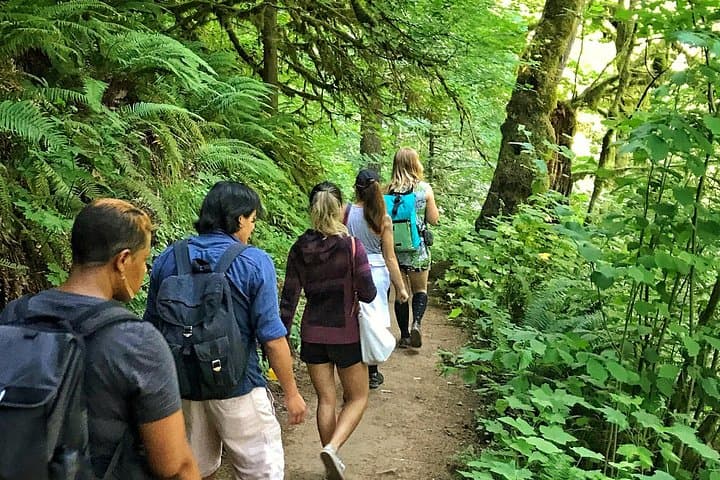
Lose the city for a few hours without leaving it: this 5-mile, 900-foot-gain Forest Park loop threads old-growth pockets, city viewpoints, and cultural landmarks for a compact taste of Portland’s wild side. Expect moss, roots, and stories.