
What the day feels like
Lowcountry light slides across the marsh as the boat noses off the Shem Creek Public Day Dock and into a broad, breathing harbor. The creek, busy with shrimp boats and osprey high on pilings, releases you like a friend at the door—then the harbor takes over. The tide pulls, the current prompts, and the wind lifts a briny edge to the evening. Charleston’s skyline—church spires and steeples—threads the horizon. The Arthur Ravenel Jr. Bridge strides across the Cooper River like it owns the place. Out here, history doesn’t sit in a museum. It floats by, wave after wave.
If you’re new to Charleston, a harbor cruise is the city’s handshake. It’s relaxed without being dull, scenic without being precious, and grounded in the kind of stories you can feel in your bones. This two-hour spin from Shem Creek is built for families, couples, and small groups who want an easy on-ramp to the Lowcountry—sunset included when you time it right. When dolphins surface alongside the hull, the harbor greets you with a wink. Their dorsal fins slice the water, disappear, then flash again in the boat’s wake as if the Atlantic itself were showing you around.
Charleston’s fortunes have long been tied to this working harbor. From the days when indigo and rice money built the city’s famous homes to the fiery April morning in 1861 when the first shots of the Civil War arced from Confederate batteries toward Fort Sumter, the water has been stage and actor. You’ll drift within view of the fort—rough-hewn brick, low and stubborn—while your captain traces the lines of that first chapter. The water listens, nodding along. Castle Pinckney hovers on its own little island, a footnote with its own long shadows. To the north, the WWII-era USS Yorktown at Patriots Point tells a more modern story—steel, flight decks, and the churn of a different century.
The harbor’s geology shapes every moment you spend afloat. This is a drowned coastline, a broad estuary where the Ashley and Cooper Rivers braid into tidal salt marsh before surrendering to the Atlantic. Marsh grass leans with the breeze, fiddler crabs vanish at your footfalls back on shore, and pelicans use the updraft off the bow to pace your progress—big-beaked sentries scouting for baitfish. Because tides rule here, the water is always in motion. It nudges the boat around buoys, tugs along the ship channel, and hurries the scent of pluff mud—a Lowcountry signature, earthy and sweet—across the deck.
Departing from Shem Creek keeps the day logistics easy. Park, stroll the boardwalk, and meet your crew at the Shem Creek Public Day Dock a few minutes early. Ice and coolers are provided, and you’re welcome to bring your own drinks and snacks. Sunscreen, hat, and sunglasses are smart; a light windbreaker helps when the breeze stiffens. If you prefer to line up a spot ahead of time, booking a spot on this very route is straightforward—consider exploring dates and times via this local listing for a Charleston Harbor cruise: <a href="https://app.advcollective.com/local-experts/charleston-charleston-harbor-cruise-3" target="_blank">Charleston Harbor cruise</a>. It’s the same water, the same views, and the same forgiving tide.
On the move, the boat takes you wide so the whole city unfurls—a film strip of eras. Rainbow Row glows pastel across the water, and White Point Garden sits shaded by live oaks that have watched every chapter of the harbor’s traffic. The Ravenel Bridge, cable-stayed and elegant, casts a geometric reflection when the wind goes slack. In the golden hour, this whole place turns luminous. It’s the kind of scene that doesn’t require commentary. The harbor makes the pitch for Charleston all by itself.
Wildlife tends to be punctual around here. Resident bottlenose dolphins patrol for shrimp and menhaden on the falling tide, brown pelicans drop like folded umbrellas from twenty feet up, and royal terns skim the surface like they’re reading Braille on the water’s skin. On the spring and fall shoulder seasons, migratory birds fatten up along the marsh—quiet punctuation marks on oyster rakes that hiss when the tide recedes. Keep your eyes scanning the current lines and rips along the channel edge. The harbor has tells if you learn to read them.
Culture on this cruise comes through lightly, the way salt hangs in the air. You see where Gullah Geechee traditions still shape the foodways, where shrimp boats push out before dawn, where locals measure their day by the turn of the tide. Back at Shem Creek after the ride, the celebration continues in simple, delicious ways—basket of hushpuppies, a cold local lager, and the quiet satisfaction that comes from being on the right water at the right time.
Practicalities matter, and Charleston rewards those who plan. Expect about two hours on the water. Wear grippy soles; boat decks can be slick when a little spray hits. Those sensitive to motion may want to take a non-drowsy remedy beforehand—though harbor waters are usually calm compared to offshore. If you’re booking a weekend sunset, start early—parking around the creek fills quickly. To secure your spot, you’ll pay a deposit with the balance due a week before departure; late cancellations may forfeit the deposit. For the most up-to-date schedule or to compare departure windows, check the local expert page here: <a href="https://app.advcollective.com/local-experts/charleston-charleston-harbor-cruise-3" target="_blank">dolphin-watching in Charleston</a>. You can also return to the listing anytime to review meeting details for <a href="https://app.advcollective.com/local-experts/charleston-charleston-harbor-cruise-3" target="_blank">Shem Creek boat tours</a> and sunset departures.
Why do this cruise? Because Charleston is a city built to be read from the water. Streets and seawalls are one chapter. The harbor is the whole book—tides turning the pages for you, steady and sure. When the boat points back toward Shem Creek and the marsh glows like hammered brass, you’ll feel it: the harbor has shown you its best side and sent you back with salt on your skin and a map inside your head. This is the Charleston you’ll carry home, the one that moves. And it will keep moving, long after you’ve stepped back onto the dock.
Trail wisdom
Small choices, better day.
Time it for golden hour
Book a late-day departure for softer light, cooler temps, and prime dolphin activity near the channel edges.
Grip matters on deck
Wear non-slip shoes—spray and deck wash can make surfaces slick when the wind kicks up.
Beat Shem Creek parking
Arrive 20–30 minutes early on weekends; the creek scene is lively and lots fill quickly near the public day dock.
Pack smart, keep it simple
Bring polarized sunglasses, a light wind layer, and your own drinks/snacks—ice and coolers are provided.
Local knowledge
Read the place, not just the route.
Watch for native species including Bottlenose Dolphin, Brown Pelican.
Keep an eye out for wildlife during the transition between areas and habitats. Respect distance guidelines.
Give dolphins space (50 yards) and avoid feeding wildlife. Crab Bank is a protected nesting area—observe from a distance to minimize disturbance.
Follow the guide's instructions on size limits, ethical handling, and leave-no-trace practices.
Crab Bank Seabird Sanctuary—visible from the harbor, home to nesting shorebirds (closed to landing). Pitt Street Bridge—post-cruise sunset stroll with sweeping views of the harbor and marsh
Locally recommended viewpoints and quiet spots known best to local operators.
Charleston Harbor is where the first shots of the Civil War were fired at Fort Sumter in 1861, a moment that reshaped the nation.
Maritime roots and regional tradition shape the waterways and working coasts.
Seasonal guide
Four versions of the same landscape.
Spring
Best forMild temperatures · Migratory bird activity
ChallengesUnpredictable storms · Pollen
Spring brings comfortable breezes and active wildlife with fewer crowds than peak summer.
Summer
Best forSunset color · Consistent dolphin sightings
ChallengesHeat and humidity · Pop-up thunderstorms
Expect hot, busy days—sunset departures are cooler and photogenic, but book ahead.
Fall
Best forClear air · Calmer seas
ChallengesOccasional tropical systems · Shortening daylight
Crisp evenings and steady wildlife activity make fall a sweet spot for harbor cruising.
Winter
Best forQuiet waters · Long views under clear skies
ChallengesChilly wind on the water · Short days
Bundle up for peaceful rides with minimal boat traffic and excellent visibility.
Pack with intention
What to bring.
Good to know
Common questions.
Wildlife is never guaranteed, but bottlenose dolphins are commonly seen in Charleston Harbor, especially around tide changes.
Plan the edges
The details that make the day easier.
Fort Sumter, at the mouth of Charleston Harbor, is where the first shots of the Civil War were fired on April 12, 1861.
Post-cruise, grab she-crab soup and a waterfront table at Tavern & Table or hushpuppies and a view at Red’s Ice House. Craft beer lovers can seek out Westbrook Brewing in Mount Pleasant, and seafood fans should hunt down local shrimp in season—simple, fresh, and straight from boats you just passed.
- Closest airport
- Charleston International (CHS), ~20–25 minutes by car. Meeting point: Shem Creek Public Day Dock, Mount Pleasant. Drive time from downtown Charleston: ~10–15 minutes traffic-dependent. Cell service: Good around the harbor. Permits: None for passengers; a 50% deposit secures booking with balance due 7 days prior to departure.
Use reef-safe sunscreen, pack out all trash, and respect no-wake zones and wildlife viewing distances—bottlenose dolphins are protected under the Marine Mammal Protection Act.
Explore by topic
Follow the threads.
Keep exploring
Make the story part of the trip.
In four hours you can move from shaded canyon ferns to wind-scoured coastal ridgelines, guided by someone who knows where the light—and the hidden views—live. This private half-day hike on the Monterey Peninsula or Big Sur is compact, curated, and perfect for travelers who want depth without a multiday commitment.
 Related story
Beneath a sky of shifting light, Skaftafell’s ice reads like a map of time. This three-hour guided glacier hike mixes technical instruction with geology and culture: compact, safe, and unforgettable.
 Related story
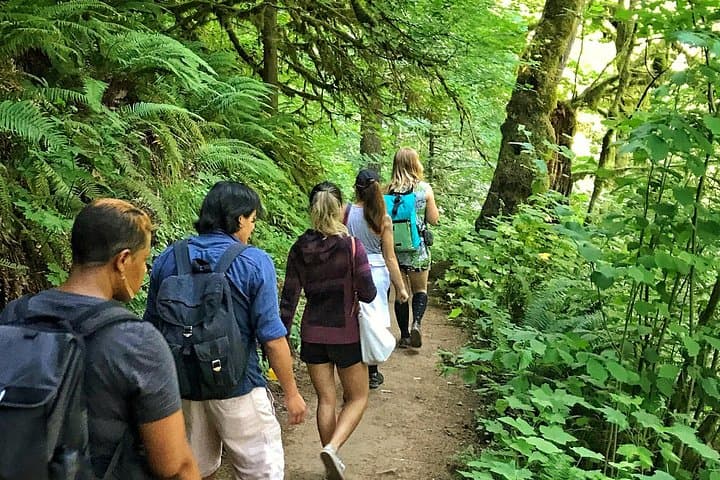
Lose the city for a few hours without leaving it: this 5-mile, 900-foot-gain Forest Park loop threads old-growth pockets, city viewpoints, and cultural landmarks for a compact taste of Portland’s wild side. Expect moss, roots, and stories.