
What the day feels like
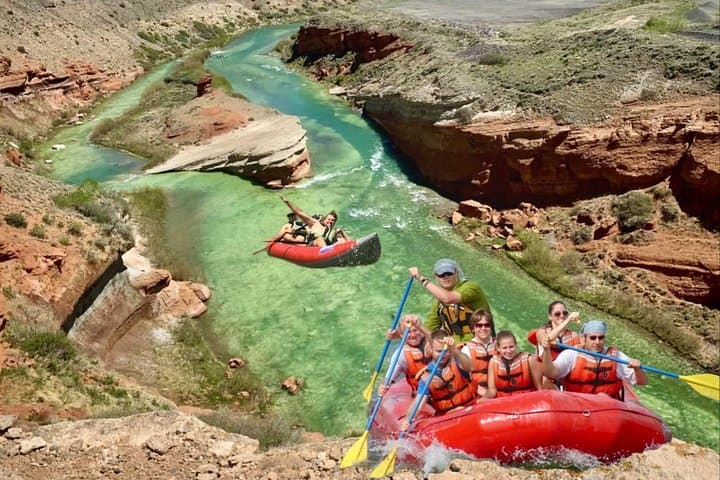
By midmorning the canyon leans in—red walls narrowing above you, sage and juniper clutching the rim, and the Shoshone River running like a bright vein through it. The guide barks a friendly countdown and the raft launches: the current takes the bow, the river dares you to lean into the rhythm. For two hours the Lower 7-mile stretch of the Shoshone is both teacher and playground, alternating between lounge-worthy flats where you can dunk your hands in the cool water and rollicking Class II–III hits named with local affection—Cultor’s Falls and the “Little Big Drop”—that rattle helmets and coax whoops from the whole boat.
This is Rafting as Cody does it—unshowy, efficient, and deeply local. Tours leave the shop at 1119 12th Street, Cody, at 9:00 a.m. daily. For travelers chasing Yellowstone’s edges rather than the park’s crowds, these two-hour river runs are an ideal way to add movement and wildlife to a road trip: eagles wheel on thermals, mule deer blink from the brush, and the canyon’s reddish hues shift as the sun climbs.
Geology is the quiet story below the surface. Red Canyon is cut into sedimentary and volcanic rocks of the Bighorn Basin; eons of ash, lava and river sediment stacked and eroded give the walls that warm, sliced look. The river’s character—alternating calm and play—hints at seasonal snowmelt and controlled flows from dams upstream that shape where the rapids form and where swimmers can jump out and cool off.
History and culture are never far from the riverbanks. Cody itself carries the imprint of William "Buffalo Bill" Cody, the town’s namesake, who helped establish the town as a gateway to the Yellowstone frontier. You’ll pass the Buffalo Bill Dam and its visitor center nearby—an early-20th-century engineering project that reworked the Shoshone’s flows and helped make irrigated ranching possible in the valley.
The trip balances accessibility with genuine adrenaline. Operators welcome families—children as young as 2 are allowed—while also offering enough whitewater to satisfy people who show up in suntan lines from nearby campgrounds and RV parks. The outfit offers instant confirmation on bookings, free cancellation, and private tour options if you want the river to yourself.
Practical edge: the trip is two hours on the water, priced from about $59 per person, and leaves at 9 a.m. That timing matters—morning light makes the canyon glow, temperatures are friendlier earlier in summer, and wildlife sightings are often better before the heat pushes animals into shade.
If you’re planning this as a half-day anchor in a Cody itinerary, add a stop at the Buffalo Bill Center of the West or walk the Irma Hotel’s old-time saloon afterward. Read the river, respect the guide’s instructions, and you’ll find the run is as much about the small, quiet moments—float-frames of canyon wall and fly-shadow across water—as it is about the splashier rapids.
Why go: it’s fast to get to, family-friendly without being tame, and scenic without being remote. For visitors to northwest Wyoming who want movement, wildlife, and a few thrills without plunging into multiday logistics, a morning on the Shoshone delivers.
How to prepare: wear a swimsuit or quick-dry layers, secure water shoes, bring sunscreen and a light wind layer for early starts. Hydrate before you board—two hours on the water goes by quicker than you think. Listen to the safety talk; the river will push, but it doesn’t punish prepared paddlers.
Local note: the river supports birds and fish that rely on clean riparian habitat—pack out everything and avoid trampling streamside plants. The outfit’s guides are born-and-raised Cody types or long-term locals; they’ll point out historic ranch sites and the river features that have names because people have relied on this water for generations.
If you only have one morning, choose this run for its balance of scenery and accessibility. If you have a full day, pair it with a visit to the Buffalo Bill Dam and the Heart Mountain Interpretive Center—both give context to the landscape you just experienced from the river.
In short: the Shoshone here is equal parts honest fun and a nod to a deeper regional story—geology, irrigation, and a small-town western identity. You’ll get wet, you’ll laugh, you’ll see wildlife, and by noon you’ll be back onshore with a new appreciation for how rivers shape place.
Trail wisdom
Small choices, better day.
Morning Launch
The trip departs at 9 a.m.—arrive 30 minutes early to check in, size life jackets, and get the safety briefing.
Footwear Matters
Wear sturdy water shoes or sandals with straps; flip-flops will wash off when you stand in a rapid.
Sun Protection
Even in canyon shade, UV reflects off water—bring waterproof sunscreen and a brimmed hat with a strap.
Hydrate & Stash Snacks
Bring a small water bottle in a dry bag and a light snack for after—two hours on the water burns energy.
Local knowledge
Read the place, not just the route.
Watch for native species including Bald Eagles, Mule Deer.
Keep an eye out for wildlife during the transition between areas and habitats. Respect distance guidelines.
The Shoshone’s riparian zones are sensitive habitat—stick to launch/take-out access points and pack out trash to limit bank erosion and protect wildlife.
Follow the guide's instructions on size limits, ethical handling, and leave-no-trace practices.
Buffalo Bill Dam & Visitor Center overlook. Heart Mountain Interpretive Center—history and geology displays
Locally recommended viewpoints and quiet spots known best to local operators.
Cody was founded with major influence from William "Buffalo Bill" Cody and served early on as a gateway community to Yellowstone and regional ranching development.
Maritime roots and regional tradition shape the waterways and working coasts.
Seasonal guide
Four versions of the same landscape.
Spring
Best forHigher flows and livelier rapids · Wildflowers along canyon rims
ChallengesCooler water temps · Variable flows after snowmelt
Spring brings higher flows and more punch in the rapids; water is cold—expect brisk swims if you go in.
Summer
Best forWarm weather and swim stops · Family-friendly runs
ChallengesPeak sun and heat · Higher visitor numbers
Summer is the sweet spot for comfortable water temps and easy logistics—departures run daily and the 9 a.m. slot is ideal.
Fall
Best forCrisp air and fall color · Quieter runs with fewer crowds
ChallengesCooler mornings · Shorter daylight hours
Fall offers quieter rivers and striking canyon color, but morning temperatures drop quickly—dress in layers.
Winter
Best forOff-season river perspectives · Photography of frosted canyon walls
ChallengesCold temperatures and limited service · Infrequent or no commercial runs
Commercial rafting largely pauses in winter; check operator schedules and expect limited availability and icy conditions.
Pack with intention
What to bring.
Good to know
Common questions.
Tours depart at 9:00 a.m. from the shop at 1119 12th Street, Cody, and the on-water portion is approximately two hours.
Plan the edges
The details that make the day easier.
Cody, Wyoming is named for William "Buffalo Bill" Cody, who founded the community in the late 1890s as a gateway to Yellowstone and the surrounding Bighorn Basin.
After your run, head to the Irma Hotel for a sandwich or the Buffalo Bill Center of the West for an afternoon of local history; Cody’s downtown has several pubs and breweries where guides and locals swap river stories.
- Closest airport
- Yellowstone Regional Airport (COD) in Cody; Meeting point: 1119 12th Street, Cody; Driving: shop is downtown—most hotels are within a 10–15 minute drive; Cell service: generally good in Cody, patchy in the canyon; Permits: none required for this commercial trip.
The Shoshone supports sensitive riparian habitat—pack out all trash, avoid disturbing shoreline vegetation, and clean footwear to prevent spreading invasive species.
Explore by topic
Follow the threads.
Keep exploring
Make the story part of the trip.
 Related story
Less than two hours from Nairobi, Kereita Forest pairs hands-on canopy adventure with quiet montane trails and a sobering colonial history—perfect for families, teams, and curious travelers seeking a full-day pulse of nature.
Set out from Bass Harbor for a private, customizable day on Blue Hill Bay — lighthouses, puffins, seals, and the chance to feel Acadia from the water. Small groups, local captains, unforgettable views.
In four hours you can move from shaded canyon ferns to wind-scoured coastal ridgelines, guided by someone who knows where the light—and the hidden views—live. This private half-day hike on the Monterey Peninsula or Big Sur is compact, curated, and perfect for travelers who want depth without a multiday commitment.