
What the day feels like
The skiff noses away from Portland’s working waterfront, engine humming, gulls heckling from pilings as if to test our resolve. Lobster boats idle and shift like old friends in a busy conversation, and the scent of bait and brine folds into the cool Atlantic air. On the open-to-air "EXPLORER," there’s no barrier between you and Casco Bay—only wind, salt spray, and the clean horizon pulling your gaze east. The bay flexes with tide, a living thing that swells against granite ledges and urges the boat forward. As the city shrinks behind you, the islands start their roll call: low spruce, weather-stained wharves, staccato flares of lighthouse white. This is a quick ride—45 to 60 minutes start to finish—but it’s a full immersion, a pocket-sized marine safari that compresses the essence of coastal Maine into a single breath of time.
Halfway Rock is the aim—a knuckle of granite surfacing ten miles offshore—but the route is the story. You slip past Fort Gorges, that Civil War masonry floating like a phantom in the harbor, and the tidy green of Bug Light beyond. The tide nudges the hull and the air runs cooler, even in peak summer. Cormorants arrow low; double-crested and self-serious, they own the channel. Eiders raft up in black-and-cream flotillas. Osprey hang in the wind, scanning slick water for a flash of silver. The bay sets the tempo and the boat takes the cue.
The crew points toward the eastern rim of the archipelago, where Halfway Rock Lighthouse anchors a lonely slab of stone. Built in 1871 after countless ship misadventures, the light keeps vigil over a corridor that has carried cod, timber, and now travelers for centuries. On a clear day, you can trace the geometry of the light against a sky clean enough to tally by shade; on a moody one, it rises from haze like a blunt reminder of what this coast can do when visibility drops and the swell lifts. Either way, the rock holds court—tide slapping its flanks, kelp drawing slow green commas as the water breathes in and out.
And there they are: seals, peppered along the ledge, their dark eyes and whiskered snouts lifting in unison as "EXPLORER" drifts within legal viewing distance. Harbor seals are the common hosts here—sleek, mottled, curious to a point. Gray seals occasionally add bulk and bravado, shouldering the best real estate with a practiced shrug. The sea is not a backdrop; it’s an active character, and the seals read it constantly, sliding off the rock with a neat, effortless roll when the swell reaches too far. You watch, you wait, you learn to match their rhythm. Cameras click. Kids point. Even the wind seems to hush for a beat.
Casco Bay is often called the Calendar Islands—a nickname suggesting as many islands as there are days in a year. The exact tally depends on who’s counting and what counts as an island, but the idea holds: this is a labyrinth of ledges, headlands, and tidal runs that shape a life. Portland built its reputation here, ferrying lumber and ice, fish and granite—some of it quarried from the very bones of the coast you’re cruising past now. Those granite blocks under Fort Gorges, the lighthouse towers set like chess pieces along the bay—this is a working landscape that doubles as a classroom in resilience.
On a good day, the ride is crisp and fast, with the skiff’s low profile placing you eye-to-eye with the water. On a gusty one, the wind has opinions, and spray can stitch your cheeks into a grin you didn’t expect to be wearing. Dress for both. That’s part of the appeal: this is Maine without a filter. It’s also what makes this trip so approachable. At roughly an hour, for $31 per passenger, it’s family-friendly, schedule-friendly, and budget-friendly—an easy add-on to a day of lighthouses and lobster rolls, or the spark that turns a casual visit into something you’ll keep replaying at home.
Timing matters. Mornings tend to bring smoother water and cleaner light, ideal for photography and motion-sensitive stomachs. Late afternoons can glow, the sun sliding low and gilding every splash. Midday heat onshore often translates to a chilly breeze offshore, so a light layer is wise even in July. Spring may show more seabird action; summer and early fall often deliver the most reliable conditions and the friendliest crowds of seals. Whatever the season, the Marine Mammal Protection Act dictates respectful distance, and that’s a good thing. The animals are wild, thriving, and uninterested in our applause.
What makes this outing different isn’t just the wildlife; it’s the way it threads the best of coastal Maine into an hour that holds both motion and pause. You’re moving—past forts and markers, past working docks and families with paper cones of fries—but you’re also still enough to hear ocean on rock and watch a whisker twitch. As the skiff arcs back toward Portland and the skyline lifts, you’ll likely feel that satisfied click of clarity: this quick run is exactly what you needed.
When you’re ready to go, booking is straightforward. This <a href="https://app.advcollective.com/local-experts/seal-watch-odyssey-whalewatch-casco-bay">Seal Watch to Halfway Rock in Casco Bay</a> departs right from Portland’s waterfront aboard the open-air "EXPLORER." Expect 45–60 minutes dock to dock. Bring a wind layer, polarized sunglasses, grippy shoes, and a camera. And bring curiosity—the bay rewards it. For more details and scheduling, check out the <a href="https://app.advcollective.com/local-experts/seal-watch-odyssey-whalewatch-casco-bay">local expert page for Seal Watch in Casco Bay</a>. This is a small adventure with a big return, a reminder that the edge of the map is often closer than you think.
Trail wisdom
Small choices, better day.
Layer for a Sea Breeze
Even in summer, offshore wind can run cool. Pack a light windproof layer—open-air seating means direct exposure to the elements.
Protect Your Eyes
Polarized sunglasses cut glare and make it easier to spot seals in the water and read the texture of swell.
Go Early for Calmer Water
Morning departures typically offer smoother seas and softer light, especially helpful for motion-sensitive travelers and photographers.
Stabilize the Shot
Use burst mode and a fast shutter speed to freeze wildlife from a moving boat; keep elbows tucked to reduce camera shake.
Local knowledge
Read the place, not just the route.
Watch for native species including Harbor seals, Double-crested cormorants.
Keep an eye out for wildlife during the transition between areas and habitats. Respect distance guidelines.
Seals are protected by the Marine Mammal Protection Act—keep distance, stay quiet, and never feed wildlife. Tour operators in Casco Bay follow strict viewing guidelines to minimize stress on haul-outs.
Follow the guide's instructions on size limits, ethical handling, and leave-no-trace practices.
Fort Gorges views from the water—best seen en route before the crowds stir. Portland Breakwater Light (Bug Light) for a pre- or post-cruise stroll with harbor panoramas
Locally recommended viewpoints and quiet spots known best to local operators.
Halfway Rock Lighthouse was completed in 1871 to reduce shipwrecks on the exposed ledge; it was automated in 1975 and remains an iconic Casco Bay beacon.
Maritime roots and regional tradition shape the waterways and working coasts.
Seasonal guide
Four versions of the same landscape.
Spring
Best forSeabird activity · Cool temperatures
ChallengesChilly wind on the water · Changeable weather
Expect brisk air and active bird life; carry a warm layer and check marine forecast before departure.
Summer
Best forReliable conditions · Family outings
ChallengesCrowds · Midday glare and heat onshore
Peak season offers the steadiest seas and visibility; book ahead and bring sun protection plus a wind layer for offshore breezes.
Fall
Best forClear light · Calmer crowds
ChallengesCooler temps · Occasional brisk winds
Crisp air and golden light make for dramatic viewing; dress warm and aim for morning or late afternoon departures.
Winter
Best forStorm-watching from shore · Photography of lighthouses (from land)
ChallengesTours may be limited or paused · Cold, rough seas
Most seal watch operations scale back; consider land-based lighthouse viewing until spring operations resume.
Pack with intention
What to bring.
Good to know
Common questions.
Wildlife sightings are never guaranteed, but Halfway Rock is a known haul-out for harbor seals and sightings are common.
Plan the edges
The details that make the day easier.
Halfway Rock Lighthouse, guarding a granite ledge in outer Casco Bay, was built in 1871 and automated in 1975; it’s listed on the National Register of Historic Places.
After your cruise, walk to Luke’s Lobster Portland Pier for a dockside roll, grab chowder at Gilbert’s, or sample pours at Shipyard Brewing. If you’ve got time, drive to Fort Williams Park for a lighthouse double-feature at Portland Head Light and a picnic from a local food truck.
- Closest airport
- Portland International Jetport (PWM). Departure: Portland’s working waterfront on Commercial Street (check your confirmation for exact dock). Driving: 5–10 minutes from downtown hotels; parking garages nearby. Cell service: Strong in port, variable offshore. Permits: None required for passengers.
These seals are protected marine mammals—observe quietly, never feed, and follow crew instructions. Pack out all trash, choose reef-safe sunscreen, and keep gear secure so nothing blows overboard.
Explore by topic
Follow the threads.
Keep exploring
Make the story part of the trip.
In four hours you can move from shaded canyon ferns to wind-scoured coastal ridgelines, guided by someone who knows where the light—and the hidden views—live. This private half-day hike on the Monterey Peninsula or Big Sur is compact, curated, and perfect for travelers who want depth without a multiday commitment.
 Related story
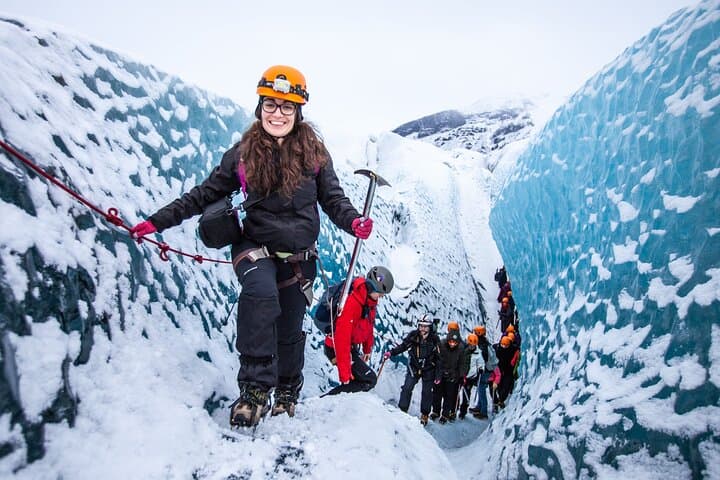
Beneath a sky of shifting light, Skaftafell’s ice reads like a map of time. This three-hour guided glacier hike mixes technical instruction with geology and culture: compact, safe, and unforgettable.
 Related story
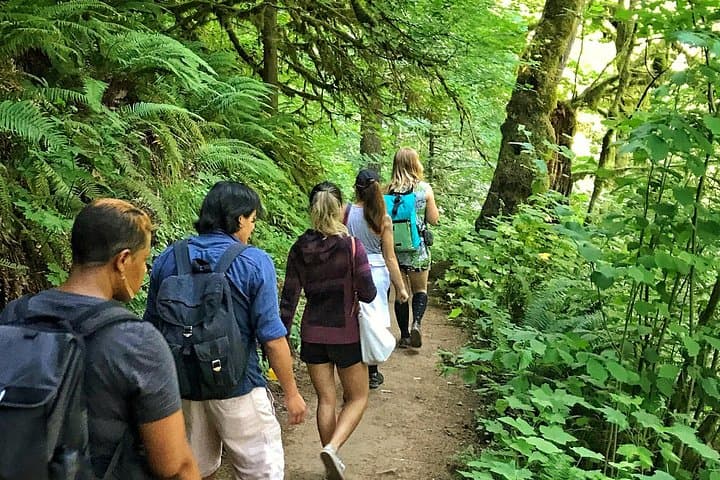
Lose the city for a few hours without leaving it: this 5-mile, 900-foot-gain Forest Park loop threads old-growth pockets, city viewpoints, and cultural landmarks for a compact taste of Portland’s wild side. Expect moss, roots, and stories.