
What the day feels like
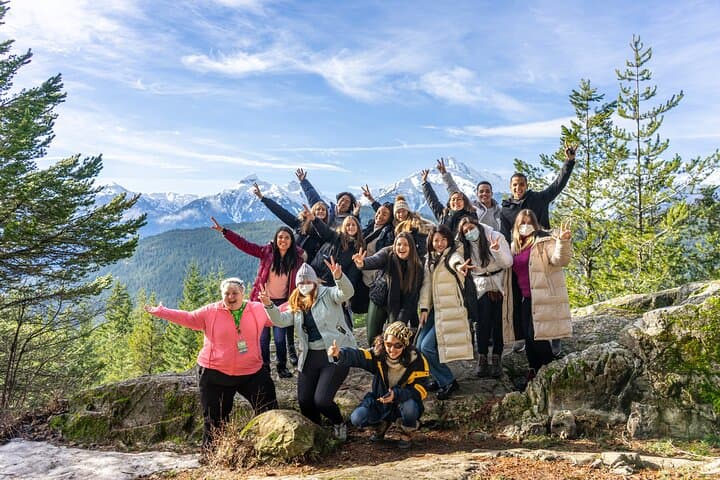
There’s a stretch of highway where the mountain seems to spring out of the ocean—granite ribs rising, glaciers holding snow like slow breaths. The Sea-to-Sky Highway unfurls between Vancouver and Whistler with postcard panoramas at every turn, and on a good morning that stretch feels like a promise: you’ll be moving from coastal fog to alpine clarity in less than two hours. The tour starts here, on that ribbon of road, with the guide pointing out a hidden pullout, a waterfall you have to squint to see, and a stand of trees that looks different depending on the angle of the sun.
Arriving in Whistler Village is anticlimactic in the best way: everything slows down. The timbered buildings and cobblestone promenades are less stage-set than comfortable basecamp—coffee shops hum, bikes clack past, and peak views wait just beyond the last eaves. This day is designed to be modular. You can take the easy route—a short walk to Lost Lake and a ride on the Peak 2 Peak Gondola—or choose the adrenaline ladder: zipline runs, a bungee jump, or a guided hike that climbs sunlit switchbacks above treeline.
Geology here reads like a textbook flipped open across a dramatic landscape. Whistler and Blackcomb are part of the Coast Mountains and the Garibaldi Volcanic Belt; glaciers from the last ice age sculpted the valleys and left behind sharp ridgelines and blue cirque lakes. The Peak 2 Peak Gondola literally strings those two massifs together—it was built to span a record-breaking distance so riders feel suspended between summits. Culturally, this is unceded territory of the Squamish and Lil'wat Nations—local signage and galleries increasingly honor that stewardship and invite visitors to learn the deeper human history of the place.
What makes the Whistler sightseeing day sing is its flexibility. In the morning you’ll walk a loop around Lost Lake—forested shoreline, easy, the kind of trail that loosens shoulders and sharpens light. Midday is gondola time: the Peak 2 Peak provides a dizzying sense of scale, and from the Blackcomb side you can hike a handful of alpine trails for panoramic views over Cheakamus Lake and the promise of more rugged backcountry. For the attention-seekers, there’s a zipline course that crosses chasms, and if you’ve always wanted to feel air and gravity debate your decisions, there’s bungee at a nearby platform. If you want to snap in a single day what so many people spread over a week, this itinerary does it—without turning the town into a blur.
Practical details are mercilessly important on a day like this. The tour runs about 11–12 hours (the provider lists 675 minutes), so plan for an early pickup, snacks, and layers. Peak 2 Peak tickets and some adventure add-ons are sold separately; book high-adrenaline activities in advance if you’re visiting in summer. Footwear matters: sturdy trail shoes for the short hikes, a wind layer for the gondola and exposed ridgelines, and gloves if you’re ziplining or hopping off into chillier alpine air. Bring a refillable water bottle—the Sea-to-Sky region has clean tap water and numerous refill stations in town.
Timing is tactical. Start the day early to beat the crowds at gondola departure windows and secure a midday lunch in the village. If you’re here for skyline photos, golden hour on the return drive down the Sea-to-Sky is hard to beat; the light turns everything glassy, and the water in the inlets takes on an improbable turquoise.
Why travel this route beyond the obvious views? Whistler compresses the archetypal mountain weekend into one manageable day: a taste of forest, the privilege of alpine air, and an inkling of community life in the village. For families or mixed-energy groups, the modularity keeps everyone moving together without feeling forced. And for one-day visitors based in Vancouver, this tour is a low-fuss way to sample a mountain town’s best moves.
If you go, layer your expectations as you layer your clothing—this is not a single-aim, one-sport day. It’s a composite: culture, a light trail, a cable-car pendulum between two summits, and a choice on how far into your comfort zone to push yourself. The guides’ local knowledge is the secret ingredient: they’ll suggest the best vista for your photo, the quieter trail on a busy afternoon, and the ideal spot back in the village for a beer or a bowl of ramen when your feet beg a stop.
Logistics are refreshingly straightforward: most departures come with hotel pickup from Vancouver or Whistler accommodations, and the tour’s pricing starts from about USD 80—reasonable when you factor in transport, guided stops, and the curated day. Bring patience for changeable mountain weather, and bring curiosity. Whistler rewards a visitor who looks up from the selfie and notices the quiet patterns: the way the wind combs cloud across a peak, how a small creek insists on finding the easiest path, how a village can feel both lived-in and built for adventure.
At day’s end you’ll leave with a handful of images—literal and mental. A gondola frame that looks scanned out of a travel magazine. Forest trails that remind you why you need feet at your disposal. A village that tastes like local beer and slow plates. It’s the sort of one-day trip that doesn’t try to be everything; instead, it hands you a sampler that might just convince you to come back and stay longer.
Trail wisdom
Small choices, better day.
Layer for microclimates
Bring a light insulating layer and a waterproof shell—temperatures can swing 20°F between village and alpine ridgeline.
Book adrenaline activities early
Zipline and bungee have limited daily slots—reserve these add-ons ahead of time to avoid disappointment.
Carry a refillable bottle
Tap water in Whistler is excellent; refill stations in the village reduce plastic waste and save money.
Timing for photos
Aim for morning light on the Sea-to-Sky for clearer coastal views and late afternoon for softer alpine colors.
Local knowledge
Read the place, not just the route.
Watch for native species including Black bear (typically in lower elevations), Marmot and mountain goat at higher alpine areas.
Keep an eye out for wildlife during the transition between areas and habitats. Respect distance guidelines.
Much of the surrounding backcountry is part of Garibaldi Provincial Park—stay on designated trails, pack out trash, and respect wildlife viewing distances.
Follow the guide's instructions on size limits, ethical handling, and leave-no-trace practices.
Nairn Falls Provincial Park (short scenic stop en route). The Valley Trail loops around Lost Lake for quiet, lakeside walking
Locally recommended viewpoints and quiet spots known best to local operators.
Whistler developed from logging and a mid‑20th-century ski resort; the area hosted events and infrastructure improvements for the 2010 Winter Olympics.
Maritime roots and regional tradition shape the waterways and working coasts.
Seasonal guide
Four versions of the same landscape.
Spring
Best forLower crowds · Wildflowers at lower elevations
ChallengesSnow lingering on higher trails · Unpredictable weather
Late spring brings thawing trails and early wildflowers, but higher-elevation routes may still have patches of snow—choose lower hikes or guided options.
Summer
Best forPeak 2 Peak views · Ziplining and bungee access
ChallengesHigher visitor numbers · Limited parking on busy days
Summer is the most active season with full access to gondolas and adventure courses; book add-ons early and expect busier village streets.
Fall
Best forCrisp air and colors · Fewer crowds
ChallengesShorter daylight hours · Cooling temperatures
Autumn offers clear skies and quieter trails—bring warm layers for alpine exposures and plan earlier returns from summits.
Winter
Best forSnow-swept panoramas · Skiing and winter sports
ChallengesCold temps and possible road closures · Some sightseeing stops may be limited
Winter transforms the landscape into a snowy playground; sightseeing continues but expect limited trail access and dress for alpine cold.
Operator details
What the booking data adds.
Included
- ✓All taxes and fees
- ✓Great discounts on optional activities
- ✓Friendly, experienced tour guide to make sure you have the best trip ever!
- ✓Deluxe coach transportation with on-board entertainment
- ✓Guided tour of Whistler Village
Not included
- —Food and drinks
- —Optional activities
Good to know
- ✓Public transportation options are available nearby
- ✓Suitable for all physical fitness levels
- ✓This tour is for the Young and the Young at heart travellers (19-35 years)
- ✓Please note that this is a sample itinerary and it is subject to change due to unforeseen circumstances, such as weather or road closures.
Pack with intention
What to bring.
Good to know
Common questions.
The tour is approximately 11–12 hours (about 675 minutes); departure times vary—check your booking for exact pickup details.
Plan the edges
The details that make the day easier.
The Peak 2 Peak Gondola holds Guinness World Records for longest free span between ropeway towers (3.03 km) and for highest point above the ground (436 m).
After a day on the trails and gondolas, head to the village for locally brewed beers at Whistler Brewing Company or a playful meal at Bearfoot Bistro; for a relaxed meal, Alta Bistro offers seasonal Pacific Northwest plates.
- Closest airport
- Vancouver International Airport (YVR); Driving distance: ~121 km
- 1.5–2 hours via Sea-to-Sky Highway; Cell service
- reliable in village, intermittent on alpine routes; Permits
- passes
- Peak 2 Peak and adventure activities require tickets—book in advance.
Whistler and the surrounding Garibaldi landscape are ecologically sensitive—pack out all waste, stay on marked trails, and consider public transport or shuttle options to reduce vehicle congestion on the Sea-to-Sky corridor.
Explore by topic
Follow the threads.
Keep exploring
Make the story part of the trip.
Set out from Bass Harbor for a private, customizable day on Blue Hill Bay — lighthouses, puffins, seals, and the chance to feel Acadia from the water. Small groups, local captains, unforgettable views.
In four hours you can move from shaded canyon ferns to wind-scoured coastal ridgelines, guided by someone who knows where the light—and the hidden views—live. This private half-day hike on the Monterey Peninsula or Big Sur is compact, curated, and perfect for travelers who want depth without a multiday commitment.
 Related story
Beneath a sky of shifting light, Skaftafell’s ice reads like a map of time. This three-hour guided glacier hike mixes technical instruction with geology and culture: compact, safe, and unforgettable.