
What the day feels like
By midmorning the plaza of San Gil has already warmed: vendors flip arepas, motorbikes hum, and guides load helmets and life jackets into battered pick-ups with the practiced efficiency of people whose work doubles as a way of life. From here the landscape unspools fast — coffee terraces give way to sudden drops, the horizon cut into the raw teeth of Chicamocha Canyon, and a network of rivers and waterfalls that dare you to test them. On the Private Tour — San Gil Extreme Sports, a single day becomes a sampler platter of that appetite for speed, height and water that has earned this small Santander town the nickname of Colombia’s adventure capital.
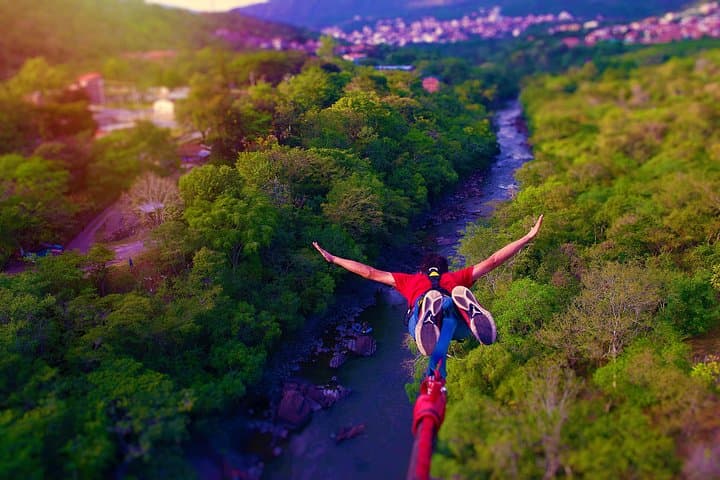
If you like variety, this itinerary reads like adrenaline shorthand: class III rapids on the Fonce for a controlled rush; the Suarez River for people chasing extreme-class V whitewater; a 50‑meter canyon rappel down the Juan Curí waterfalls for climbers who prefer gravity with a harness; paragliding launches above Curití and the Chicamocha; zip lines and a bungee platform in town; caves carved out of limestone that smell faintly of earth and river. The tour’s structure is flexible — it’s private, it runs 8–9 hours depending on combinations, and operators make clear which options are extra and which are included. That matters: the “extreme” label is a menu, not a single dish.
Geology and history are part of the thrill. The Chicamocha Canyon was carved over millennia by water and tectonic uplift; cliffs that look sterile from a distance reveal pockets of shrubs, orchids and lichen up close, and the canyon’s depth magnifies wind and sound so a paraglider feels set loose in a cathedral of air. Human settlement here predates the Spanish, but the colonial era reshaped travel routes and agriculture; later the region’s rivers powered mills and became natural highways. Today, the economy mixes agriculture (coffee and cacao), tourism, and services for the adventure trade. Nearby Barichara — a short detour — preserves cobblestone streets and whitewashed houses that make a calm counterpoint to San Gil’s kinetic energy.
The practical pieces are straightforward. Expect an active day: you’ll be moving between activities, swapping footwear and drying off between river runs and climbs. The tour’s core window is 8–9 hours, with pickup and drop-off typically arranged from San Gil (some tours originate in Bucaramanga on request). Safety is front and center: professional guides outfit rafters and climbers, brief every group, and carry rescue gear. Still, the choices you make matter — class V rapids on the Suarez are not a beginner’s playground; if you want the extreme half of the menu, bring prior whitewater experience or book a tandem with an experienced guide.
What makes the private format especially appealing is control. You can pace the day, choose one big thrill and a couple of smaller ones, or try an ambitious medley. For families or mixed-skill groups, options like the milder Fonce rafting and a canyon-side picnic keep everyone engaged. For single-adventure hunters, devote the morning to paragliding over the canyon when winds are laminar, and reserve the afternoon for canyoning near Juan Curí, when river levels are manageable.
Gear and timing matter. Bring quick-dry layers, closed-toe shoes for river and canyon work, and a lightweight waterproof — showers can blow through even in the dry season. Hydration is simple but critical: altitude and movement make you sweat more than you expect. Charge a waterproof case for your phone or rent a compact action camera from local shops if you want crisp footage; guides are used to handling cameras across ropes and boats. Book early for peak holiday windows and the December–March dry stretch to minimize weather cancellations.
Beyond the technical pleasures, there’s a cultural payoff. Lunch is likely to be trout cooked fresh from mountain streams or a hearty bandeja santandereana — protein-heavy food built for refueling. If your schedule allows, end the day with a short drive to Barichara for a sunset paseo among colonial facades and a cold beer at a local plaza, where riders compare lines and newcomers swap stories.
Who should do it? Travelers who want varied physical challenges in a tight timeframe: intermediate hikers and climbers, paddlers with some experience, or adventurous travelers comfortable with heights. Solo travelers will find the private-tour option comforting if they want to select which activities to prioritize without joining a large mixed group. Families with younger kids should check age restrictions and opt for the gentler features.
This San Gil day is less a single peak than an orchestration of moments: the pop of cold river water against a wetsuit, the hush as you step to the edge of a waterfall and clip in, the vertiginous calm of hanging over a canyon on a paraglider wing as the valley exhales beneath you. It’s an efficient, joyful way to taste Colombia’s geography as a live performance, but it’s also a reminder that adrenaline travel rewards preparation — pick your activities deliberately, respect local guides’ expertise, and let the landscape have its say.
Trail wisdom
Small choices, better day.
Choose Your Intensity
Decide in advance whether you want mild (Fonce) or extreme (Suarez) whitewater — operators will pair gear and guides accordingly.
Waterproof Your Tech
Bring a waterproof phone case or action camera — guides can often help capture footage on ropes or boats.
Footwear Swap
Carry both sturdy hiking shoes and water shoes; many transitions require dry traction and river protection.
Hydrate and Refuel
Bring electrolyte drink mixes and a protein-rich snack — the day’s moving and local meals are hearty and filling.
Local knowledge
Read the place, not just the route.
Watch for native species including Andean motmot, river otter (on quieter stretches).
Keep an eye out for wildlife during the transition between areas and habitats. Respect distance guidelines.
Tour operators increasingly follow river stewardship practices — avoid soap in waterways, use designated access points, and respect guide briefings to reduce erosion and habitat disturbance.
Follow the guide's instructions on size limits, ethical handling, and leave-no-trace practices.
Barichara: nearby colonial town with cobblestones and panoramic viewpoints. Juan Curí Waterfalls: quieter canyoning site with dramatic single‑pitch rappels
Locally recommended viewpoints and quiet spots known best to local operators.
San Gil grew as a river and trade hub in Santander; nearby Barichara preserves colonial architecture and artisanal traditions.
Maritime roots and regional tradition shape the waterways and working coasts.
Seasonal guide
Four versions of the same landscape.
Spring
Best forFonce rafting · cultural day trips · less crowded paragliding
Challengestransitional rains · higher river levels on some days
Spring (Mar–May) brings variable conditions: good windows for adventure between showers, but check river reports before booking.
Summer
Best forlusher scenery · full canyon views · consistent river flow
Challengesafternoon downpours · muddy trail approaches
June–August can be greener and dramatic; expect periodic rain that affects visibility and some activities.
Fall
Best forquieter trails · value travel · barichara visits
Challengesincreased rain risk · possible activity adjustments
Sept–Nov sees more frequent rains; operators may shift schedules to mornings or safer rivers.
Winter
Best fordry-weather paragliding · predictable river conditions · peak-season bookings
Challengesbusy holiday periods · higher prices around December–January
Dry season (Dec–Mar) is the most reliable time for flights and canyoning; book early for holiday windows.
Operator details
What the booking data adds.
Included
- ✓Transport to all the sites of the extreme sports that you wish to do
- ✓Travel insurance and additional insurances for extreme sports
- ✓Lunch in a typical Colombian town market in San Gil
- ✓English or Spanish speaking accompaniment
- ✓Private transport to San Gil
Good to know
- ✓Service animals allowed
- ✓Public transportation options are available nearby
- ✓Infants are required to sit on an adult’s lap
- ✓Specialized infant seats are available
- ✓Not recommended for travelers with spinal injuries
- ✓Not recommended for pregnant travelers
- ✓Not recommended for travelers with poor cardiovascular health
- ✓Travelers should have at least a moderate level of physical fitness
Pack with intention
What to bring.
Good to know
Common questions.
Expect about 8–9 hours total; exact timing depends on which activities you select and travel time between sites.
Plan the edges
The details that make the day easier.
San Gil is widely recognized as Colombia’s adventure capital and sits near the dramatic Chicamocha Canyon, carved by the Chicamocha River over millions of years.
After a day of activity, try a riverside eatery for fresh trout and local santanderean dishes; head to Barichara for cobblestone streets, artisanal shops and a relaxed beer to compare runs with fellow travelers.
- Closest airport
- Palonegro Airport (BGA) near Bucaramanga; Driving: ~1.5–2 hours from Bucaramanga to San Gil; Cell service: Good in town, intermittent in canyons and rural valleys; Permits: No general permits required, but individual operators require waivers and may have age or weight limits.
Choose authorized guides and operators that follow river stewardship: avoid soaps in waterways, use marked access points, pack out waste and respect nesting and shoreline habitats.
Explore by topic
Follow the threads.
Keep exploring
Make the story part of the trip.
In four hours you can move from shaded canyon ferns to wind-scoured coastal ridgelines, guided by someone who knows where the light—and the hidden views—live. This private half-day hike on the Monterey Peninsula or Big Sur is compact, curated, and perfect for travelers who want depth without a multiday commitment.
 Related story
Beneath a sky of shifting light, Skaftafell’s ice reads like a map of time. This three-hour guided glacier hike mixes technical instruction with geology and culture: compact, safe, and unforgettable.
 Related story
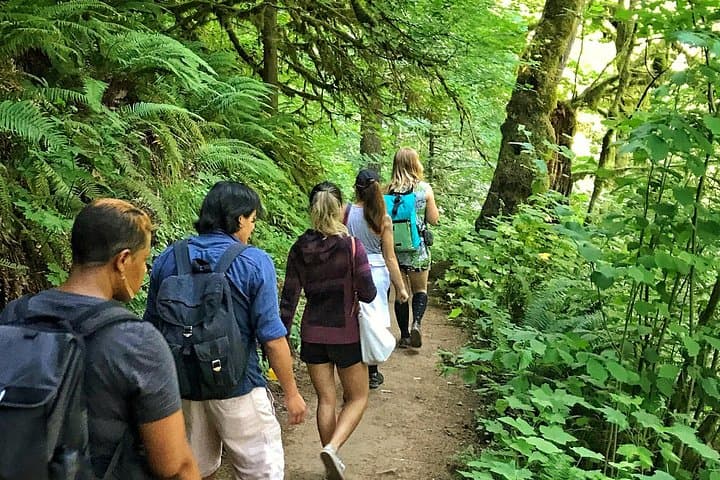
Lose the city for a few hours without leaving it: this 5-mile, 900-foot-gain Forest Park loop threads old-growth pockets, city viewpoints, and cultural landmarks for a compact taste of Portland’s wild side. Expect moss, roots, and stories.