
What the day feels like
The tide is already awake when you step aboard, pushing softly against the hull like a friendly nudge to get moving. The marsh grass leans into the wind, whispering in green, and somewhere just beyond the channel a dolphin surfaces and exhales—sharp, bright, alive. Captain Dan eases the throttle and the boat slides free from the dock, pointing toward the open water of Charleston Harbor. This is a private two-hour window into the Lowcountry—your group, your pace, your playlist, and a captain who reads these waters like a favorite book. It’s equal parts joyride and short course in coastal living. Think shell-strewn sandbars, lighthouse views, and the easy thrill of wildlife that seems to find you the moment you stop looking so hard.
On a clear morning, the skyline of Charleston takes on a watercolor softness, the church steeples practicing their long tradition of guiding travelers home. Out here, though, the horizon holds different landmarks. The Morris Island Lighthouse stands solitary and unblinking offshore—an 1876 brick sentinel marooned by erosion and storm, still standing as the tide tugs at its ankles. Pelicans stitch low along the chop like purposeful arrows; terns scold the breeze. The current does the talking in Charleston—pulling, slackening, and pulling again. It sets the rhythm. You settle in.
A private harbor outing with Captain Dan is deliberately simple: two hours, up to six guests, and a fully personalized plan shaped by your interests. Want to beachcomb for sand dollars or whelk shells? He’ll time a stop to the tide and slide the boat up on a sandbar where the ocean lays out its inventory. Prefer a wildlife-forward cruise with dolphin watching and marsh ecology? He knows the feeder creeks and bends where dolphins like to feed, and he’ll help you read the ripples that betray a hunting pod. Curious about Charleston’s complex past? From Civil War history at Fort Sumter to rice-era waterways and Gullah-Geechee culture, these channels carry centuries. You ask; he threads the route. The best way to book and tailor your plan is through this local outfitter’s page—see the details and customization options at <a href="https://app.advcollective.com/local-experts/water-activities-captain-dans-water-tours-charleston" target="_blank">Captain Dan’s Water Tours</a>.
This is Lowcountry water—broad and brackish, shaped by a six-foot tide swing that writes and rewrites the shoreline each day. Sandbars appear like rumors and vanish just as fast. The marsh breathes with the moon. Bottlenose dolphins patrol the edges of the flats, sometimes corralling bait against the bank in a rush of whitewater that feels athletic and deliberate. The harbor is a living museum, and Captain Dan acts as translator, switching easily from the story of a lighthouse saved by community action to the reasons spartina grass is the backbone of the estuary.
What makes this ride stand out is the balance of freedom and framework. You’re not relegated to a scripted loop with a loudspeaker; you’re invited into a conversation with place and captain. Bring a cooler, tune the SiriusXM to match the mood, and pivot on a whim when the water invites it. The experience fits families with little kids just as well as seasoned travelers looking to catch a late-afternoon golden hour. If you’re scanning dates and wondering when to go, mornings often bring calmer winds and brighter visibility, while late-day trips line up with warm light and a more relaxed harbor. Either way, Charleston shows up.
The Morris Island Lighthouse is a highlight many guests request. From closer range, you see the story written in brick: the tilt from storms, the layered paint, the way the sea keeps nudging forward as if daring the tower to take one more step into the Atlantic. It’s a reminder of how fast barrier islands move—and how we attach our stories to places that refuse to sit still. When the tide allows, you might hop out on a beach to hunt for shells, careful to leave anything alive where it belongs. Scan the wrack line. The ocean likes to hide treasures just at the edge of your patience.
History follows you here. The first shots of the Civil War were fired not far away at Fort Sumter, and the harbor’s forts and batteries still frame the water’s edge. Look toward the Ravenel Bridge as gulls scribble in the wake; that long cable span feels almost like a sail, reminding you this is a city made by water. Charleston is both gracious and gritty, devoted to the rituals of tide and time. The boat rides those rhythms, and for two hours you step into the cadence.
Practical notes make this easy to love. It’s a private charter for up to six guests, all ages welcome, and the tour runs two hours—long enough to feel like a real adventure, short enough to fit between brunch and a late dinner. Wear non-marking shoes, a hat, and sunscreen. Bring a light layer on windy days. You can pack snacks and beverages. Cameras are encouraged; the photo of the day will probably be a dolphin surfacing in backlit spray or your group barefoot on the sand. For specifics—availability, pricing starting at $300, and what’s included—book directly with <a href="https://app.advcollective.com/local-experts/water-activities-captain-dans-water-tours-charleston" target="_blank">this local expert</a>.
The harbor has its own personality, and it’s gracious to first-timers. The water will gently remind you to hold the rail as the wake lifts; the wind will ask for your sunglasses; the sun will insist you drink more water than you think. Dolphins here don’t pose, but they do show up—a flash, a curve, a brief exhale—and the thrill is exactly right-sized: humble, happy, very real. This tour keeps the gloss off and the wonder on. When you point back to the dock with two hours of salt in your hair, Charleston has worked its quiet spell. And you’ll want more—maybe a longer run next time, or a sunrise start. Until then, the tide keeps its own counsel, tugging at the marsh with patient hands.
Trail wisdom
Small choices, better day.
Time It With The Tide
For the best shelling and sandbar stops, ask Captain Dan to time your charter near low tide when more beach is exposed.
Sun Smart, Start Smart
Charleston sun reflects off the water—bring a hat, polarized sunglasses, and reef-safe sunscreen, even on cloudy days.
Wind Layer = Win
A light windbreaker or sun hoodie keeps you comfortable when the breeze picks up on open water.
Camera Ready
Keep your phone or camera on a wrist strap; dolphins surface fast and the wake can surprise you.
Local knowledge
Read the place, not just the route.
Watch for native species including Atlantic bottlenose dolphin, Brown pelican.
Keep an eye out for wildlife during the transition between areas and habitats. Respect distance guidelines.
Observe NOAA dolphin-viewing guidelines by giving wildlife space and never feeding them. When beachcombing, leave living shellfish and sand dollars where you found them.
Follow the guide's instructions on size limits, ethical handling, and leave-no-trace practices.
Lighthouse Inlet Heritage Preserve for sunrise lighthouse views from shore. Pitt Street Bridge in Mount Pleasant for quiet sunset marsh panoramas
Locally recommended viewpoints and quiet spots known best to local operators.
Charleston Harbor is where the first shots of the Civil War were fired at Fort Sumter in 1861; Morris Island Lighthouse was completed in 1876 and later isolated by erosion.
Maritime roots and regional tradition shape the waterways and working coasts.
Seasonal guide
Four versions of the same landscape.
Spring
Best forMild temperatures · Active dolphin sightings
ChallengesOccasional windy afternoons · Pollen and allergies
Spring brings comfortable temps and lively marsh activity. Morning trips often have calmer water and great visibility.
Summer
Best forBeach stops and shelling · Warm, long days
ChallengesHeat and humidity · Pop-up thunderstorms
Plan earlier or later departures to beat heat and summer storms. Hydration and sun protection are non-negotiable.
Fall
Best forGolden hour light · Stable weather patterns
ChallengesBreezy fronts after cold snaps · Shorter daylight
Fall is a sweet spot—clear skies, active wildlife, and excellent photography conditions during late afternoon rides.
Winter
Best forCrisp visibility · Quiet waterways
ChallengesChilly wind on open water · Limited sandbar exposure at high tide
Bundle up and enjoy crowd-free channels. Dolphins remain year-round, and harbor views are sharp and serene.
Pack with intention
What to bring.
Good to know
Common questions.
Yes. This is a fully private charter—tell Captain Dan your priorities (dolphins, sandbars, Morris Island Lighthouse, history), and he’ll tailor the itinerary to conditions.
Plan the edges
The details that make the day easier.
Morris Island Lighthouse was completed in 1876 and now stands offshore due to severe erosion that shifted Morris Island—its original site—landward over the last century.
After your cruise, head to Bowens Island Restaurant for fried shrimp and creek views, or grab oysters at The Ordinary on King Street. For a post-tour stroll, wander the pastel rowhouses of Rainbow Row or catch sunset from the Pitt Street Bridge, where locals gather with dogs and folding chairs.
- Closest airport
- Charleston International (CHS). Departure: Charleston Harbor area—exact dock confirmed after booking. Drive time: 10–25 minutes from downtown depending on marina and traffic. Cell service: Generally reliable on the harbor. Permits: None required for guests on a licensed charter.
Charleston’s estuaries are nurseries for fish, birds, and marine mammals. Pack out all trash, avoid disturbing nesting shorebirds, skip collecting live shells, and maintain respectful distances from dolphins and other wildlife.
Explore by topic
Follow the threads.
Keep exploring
Make the story part of the trip.
In four hours you can move from shaded canyon ferns to wind-scoured coastal ridgelines, guided by someone who knows where the light—and the hidden views—live. This private half-day hike on the Monterey Peninsula or Big Sur is compact, curated, and perfect for travelers who want depth without a multiday commitment.
 Related story
Beneath a sky of shifting light, Skaftafell’s ice reads like a map of time. This three-hour guided glacier hike mixes technical instruction with geology and culture: compact, safe, and unforgettable.
 Related story
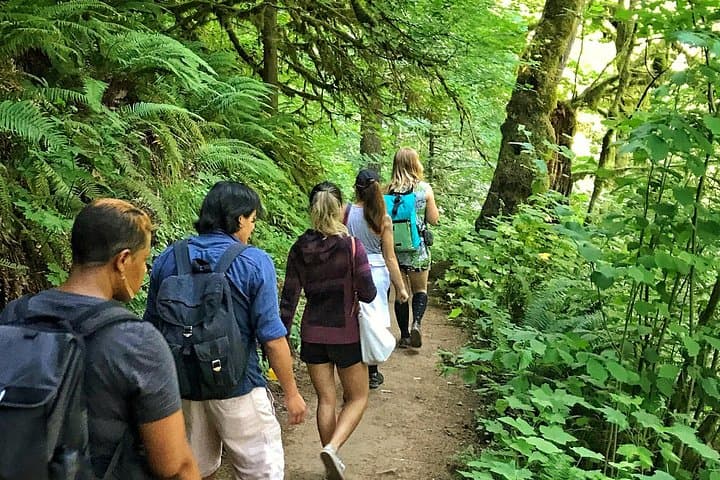
Lose the city for a few hours without leaving it: this 5-mile, 900-foot-gain Forest Park loop threads old-growth pockets, city viewpoints, and cultural landmarks for a compact taste of Portland’s wild side. Expect moss, roots, and stories.