
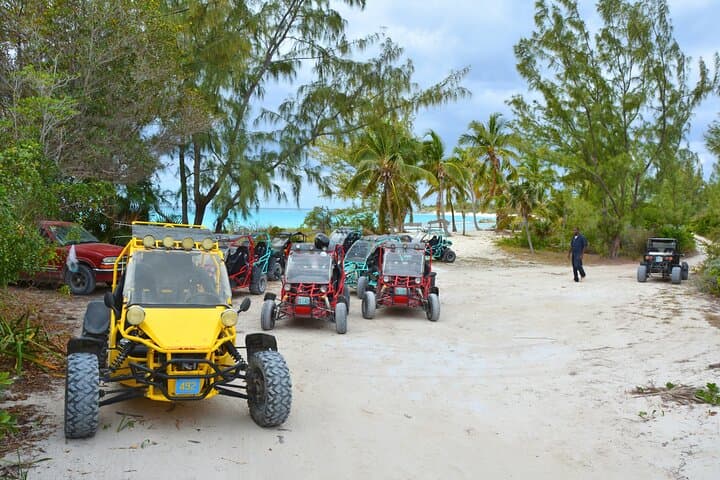
What the day feels like
The jeep doesn’t so much drive as it prowls — a compact, confident machine with the salt of the Atlantic already crusted on its flanks. You slide into the passenger seat and the guide, an easy storyteller with the sunburned patience of someone who’s spent their life between shore and streets, turns the key. The city of Nassau unfurls like a patchwork: pastel colonial facades, a ribbon of sand, mangroves crouched like sentinels. For three hours you’ll thread those seams—Cable Beach’s long, wind-sculpted shore, the clamor and grease-sweet air of Arawak Cay, the manicured flash of Paradise Island, and the civic heart at Rawson Square—each stop a different stanza in the island’s layered story.
This is a tour that trades long trudge for quick intimacy. In a private jeep, the island feels close enough to touch. Your guide folds history into the route: how 18th-century sea rovers made Nassau a lawless anchor, how colonial trade carved the geography, how Independence in 1973 reoriented identity. Pirates here aren’t just legend; they were architects of the city’s early economy. You’ll hear names—Blackbeard, Benjamin Hornigold—and the guide’s voice will bring the hush of coves and the clink of coin to life, all against the present-day soundtrack of reggae and heavy-footed tour buses.
Geology and geography make themselves obvious. New Providence is a low limestone island; coral skeletons and sand margins determine coastlines, and that clear, shallow shelf is what gives these beaches their impossible turquoise. Paradise Island rises only slightly higher but its built environment — resorts, casino façades, the Atlantis complex — makes it feel like a different universe. The jeep gives you the in-between: neighborhoods where laundry hangs like flags and small vendors serve time-honored dishes that anchor the day.
Culture here is tactile: the smell of conch frying at Arawak Cay, called the Fish Fry by locals; vendors laying out hand-woven straw hats; the cadence of vendors calling out produce and price. Cable Beach, with its club-soaked stretch, shows a different Bahamian face — leisure as industry. Rawson Square and the surrounding colonial architecture offer a quieter counterpoint, places where the conversation turns to governance and heritage, and where monuments hint at the island’s colonial and post-colonial journey.
Practically, this is an excellent outing for travelers short on time who want a curated, private look at Nassau’s essential beats. The three-hour window is long enough to step out, look closely, taste local food, and ask pointed questions about history and conservation — but not so long that it becomes a slog. A private jeep also means stops tailored to your pace: linger for an extra conch fritter at Arawak Cay, take a swim at Cable Beach, or snap sunset-ready shots on the bridge to Paradise Island.
Timing is everything. Mornings here are mild and less crowded; afternoon light makes the water sing but warms the seats. If you want the quiet of neighborhoods, aim for earlier pickups; if you want golden-hour photos on the bridge, ask the operator for a later slot. Hydration matters — the sun will press on you like an insistence — so bring water and sun protection. Footwear can be casual: sandals are fine for quick stops, but if you plan to explore old streets on foot, closed shoes are a smarter bet.
On the subject of impact, your guide is also a local economy node. Private tours like this put cash directly into communities — respect that connection. Be mindful around coral and marine life; Nassau’s reefs are resilient but vulnerable. Don’t take shells or coral souvenirs; instead, buy a woven hat or a jar of guava jam from a vendor.
For families, the jeep’s private nature is a plus: you control music, pace, and meal choices. For history nuts, ask to linger longer in downtown Nassau. For beach lovers, time a quick stop at Cable Beach for a paddle — the water will dare you to sink into it. Photographers will find contrast everywhere: the saturated colors of market stalls, the linear rhythm of low-rise colonial streets, the broad seascapes from causeways.
This tour is short, lively, and local. It’s not a deep wilderness trek or an hours-long coastal paddle; it’s a tight, efficient lesson in place, told by someone who grew up here and knows which details matter. By the time the jeep eases back toward the pickup point, you’ll have tasted conch, felt sand between your toes, worn a hat you bought at a stop, and heard a few pirate stories that stubbornly refuse to be wholly fictional. That blend — approachable adventure plus useful context — is exactly what makes a three-hour ride around Nassau feel like a small, essential education in the Bahamas.
Trail wisdom
Small choices, better day.
Go early for quiet streets
Morning tours have softer light and fewer crowds at market stops like Arawak Cay.
Bring reef-safe sunscreen
You’ll likely be near beaches and may take a quick dip—protect skin and reefs.
Carry small bills
Vendors and food stalls appreciate cash for small purchases and tips.
Ask to customize stops
Private tours let you linger where you want — request extra time for food or photos.
Local knowledge
Read the place, not just the route.
Watch for native species including Brown pelican, Spotted moray eels in shallow reef edges.
Keep an eye out for wildlife during the transition between areas and habitats. Respect distance guidelines.
Coral reefs and mangroves around New Providence are sensitive—avoid touching reef structures and choose reef-safe sunscreen; buy locally made goods to support the community.
Follow the guide's instructions on size limits, ethical handling, and leave-no-trace practices.
Cabbage Beach on Paradise Island — quieter stretches exist on the east end. Rawson Square back alleys — small craft shops and murals off the main tourist path
Locally recommended viewpoints and quiet spots known best to local operators.
Nassau was a center of piracy in the early 18th century and briefly served as a de facto pirate republic; the Bahamas gained independence from Britain on July 10, 1973.
Maritime roots and regional tradition shape the waterways and working coasts.
Seasonal guide
Four versions of the same landscape.
Spring
Best forMild temperatures · Fewer crowds · Outdoor dining
ChallengesOccasional showers · Heat builds later in season
Spring offers warm weather and thinner crowds—great for beach stops and eating outdoors, though brief showers can appear.
Summer
Best forWarm sea swimming · Lower offseason rates · Lush vegetation
ChallengesHigh heat and humidity · Possible hurricane season alerts
Summer is hot and humid; expect strong sun and less predictable weather. Travel insurance and flexible plans are wise.
Fall
Best forWarm water · Fewer tourists post-summer · Good seafood availability
ChallengesHurricane season runs through November · Higher humidity
Early fall still offers warm seas and calm streets but watch seasonal storm forecasts and consider flexible timing.
Winter
Best forDry weather · Peak visibility for photos · Festive atmosphere
ChallengesHigher tourist volumes · Higher prices
Winter is dry and bright — the optimal season for predictable weather and vivid light, though expect more visitors.
Pack with intention
What to bring.
Good to know
Common questions.
The private jeep accommodates up to 7 people, making it a good choice for families or small groups.
Plan the edges
The details that make the day easier.
In the early 18th century Nassau was a base for famous pirates including Benjamin Hornigold and Blackbeard, earning it a reputation as the 'Republic of Pirates.'
Head to Arawak Cay’s Fish Fry for conch salad and fried snapper, wash it down with a Kalik beer, and finish with rum cocktails or a distillery tour at John Watling’s near downtown to connect food, drink, and local culture.
- Closest airport
- Lynden Pindling International Airport (NAS)
- Driving distance to downtown
- ~10–20 minutes
- Cell service
- Good in Nassau and popular stops
- Permits
- None required for this tour
The island’s reefs and mangroves are fragile—use reef-safe sunscreen, don't remove shells or coral, and support local vendors to ensure tourism benefits the community.
Explore by topic
Follow the threads.
Keep exploring
Make the story part of the trip.
Set out from Bass Harbor for a private, customizable day on Blue Hill Bay — lighthouses, puffins, seals, and the chance to feel Acadia from the water. Small groups, local captains, unforgettable views.
In four hours you can move from shaded canyon ferns to wind-scoured coastal ridgelines, guided by someone who knows where the light—and the hidden views—live. This private half-day hike on the Monterey Peninsula or Big Sur is compact, curated, and perfect for travelers who want depth without a multiday commitment.
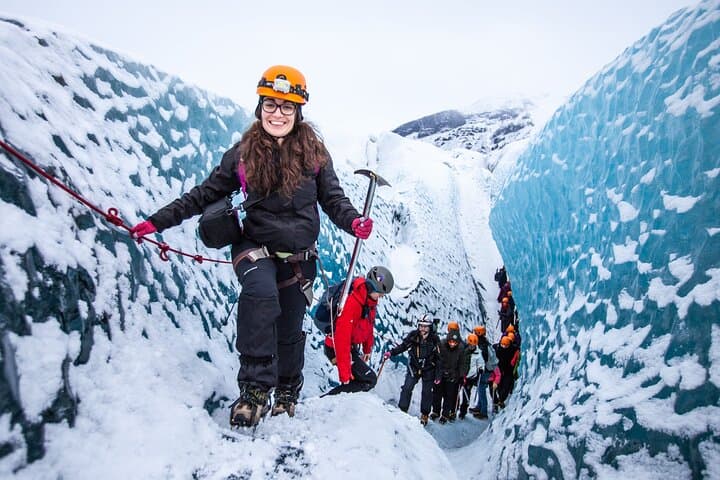 Related story
Beneath a sky of shifting light, Skaftafell’s ice reads like a map of time. This three-hour guided glacier hike mixes technical instruction with geology and culture: compact, safe, and unforgettable.