
What the day feels like
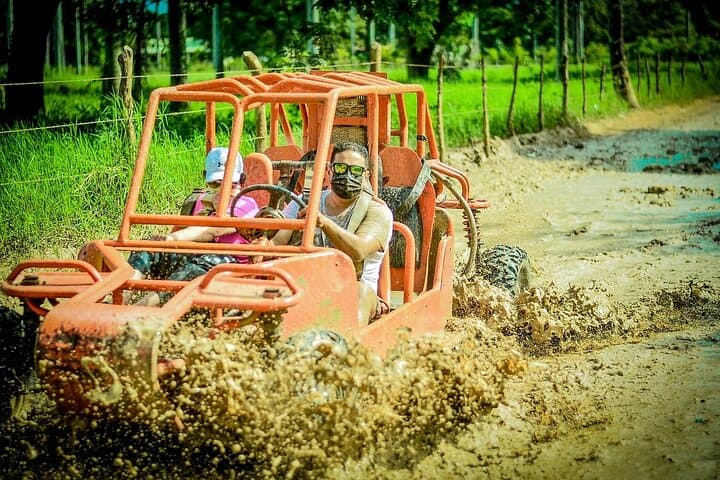
By the time the sun clears the line of palms, the buggies are already warming up—an impatient, mechanical chorus ready to shove you off the tourist strip and into the Dominican countryside. Your guide taps the throttle, dust arcs away like a curtain, and what was minutes from the resort becomes a different world: patchwork farmland, scattering of wooden houses, a limestone spine of low hills, and lanes that lean into loose sand. This is not the smooth postcard coastline. It's louder, rougher, and closer to how locals live.
The four-hour Buggy Adventure Tour with Chocolate and Coffee in Punta Cana is compact and kinetic. It pairs a short, rollicking off-road loop with a handful of sensory interludes: a limestone cave that reads like a small cathedral, a demonstration of organic cacao and coffee production, and a stop at Macao Beach—a broad, public beach with surf that often ranks on travel lists for its wild, photogenic shoreline. If you’re chasing an adrenaline high and a taste of Dominican culture in one afternoon, it delivers.
Geology shapes the route. The eastern tip of Hispaniola is a shelf of old coral and limestone; over millennia rain has dissolved the rock to form sinkholes and caves—what locals term cenotes or natural caves—where cool air pools and dripping stalactites collect mineral-scented water. In the fields between the hotels and the coast, plots of cacao and coffee rise in shaded understories, a living reminder that the island’s agrarian traditions predate sunloungers and cocktail menus.
Dominican agriculture, especially small-scale cacao and coffee cultivation, is rooted in both Indigenous and colonial histories. Today many producers are focusing on organic and artisanal methods to add value and preserve soil health. The tour’s coffee-and-chocolate stop is not a flashy factory; it’s often a family-run demonstration where you’ll see beans parched, fermented, or roasted—techniques that transform humble fruit into rich chocolate and bright coffee. You’ll taste samples, ask why certain roasts work better for shade-grown beans, and likely leave with a bar of single-origin chocolate to show for it.
There’s a cultural note to the ride: Punta Cana is a place of contrasts. Resorts sit cheek-by-jowl with rural communities where horses still pull carts and roadside stalls sell fried plantains. Guides on these tours frequently double as local historians: they’ll point out the old sugar hacienda foundations, explain the tobacco-curing racks, and describe the rhythms of the week—when markets bustle, when fields are plowed.
The terrain is straightforward but lively. Expect a mix of packed dirt, rutted tracks, beach sand, and short, rocky stretches at the cave entrance. Elevation gain is negligible—the real workout is in keeping the buggy steady through corrugated tracks and occasional sand drifts. The tour is accessible to most people comfortable with open-air vehicles and basic instruction; kids and older adults with limited mobility should check with the operator about seat belts and safety briefings.
Practical details: the tour runs about four hours, with instant confirmation and free cancellation per the booking. Price starts around $45 per person, making it one of the more affordable half-day excursions out of Punta Cana. Bring sunscreen, a hat that straps on, closed-toe shoes, and a small daypack for essentials. Expect to be dusty; a bandana or buff is a useful prop to keep grit out of your mouth and camera lenses.
Timing matters. Mid-morning departures avoid the heaviest beach crowds and the afternoon heat; late afternoons deliver softer light for photos and cooler air but can mean bumpier tracks if the ground has baked and cracked. The route includes a supervised cave/cenote visit—watch your step, move slowly on wet stones, and follow the guide. At Macao Beach, you’ll have time to walk the sand, take surf photos, or just sit and let the Atlantic slap the shoreline. On windy days the surf can be strong; swim with caution and heed local flags.
This tour works as an accessible primer on rural Dominican life while still scratching the itch for speed. It’s not a wilderness expedition or a technical climb; it’s a half-day that trades endurance for variety. You’ll come away with a better sense of the island’s agricultural backbone, a few good photos of surf and shade-grown farms, and—if you choose—a bar of chocolate or bag of coffee to prolong the memory.
If you’re planning it: match footwear and sun protection to the weather, bring a small amount of local cash to tip guides or buy snacks, and charge your phone for photos—there are moments you won’t want to miss. For travelers staying in Punta Cana, this is a tidy, low-commitment way to leave the pool for a few hours and see a different side of the Dominican Republic.
Trail wisdom
Small choices, better day.
Secure Loose Items
Strap down sunglasses, hats, and phones—dust and sudden bumps will turn small things into projectiles.
Wear Closed-Toe Shoes
Closed shoes protect toes from sand, mud, and hot buggy footwells during the ride and at the cave entrance.
Mind the Surf at Macao
Macao Beach has powerful shore breaks; swim only where lifeguards or guides advise and watch flagged areas.
Bring Small Bills
Carry local cash to tip guides, buy snacks, or pick up small artisanal coffee or chocolate from producers.
Local knowledge
Read the place, not just the route.
Watch for native species including Brown pelican, Iguana species basking on rocks or fences.
Keep an eye out for wildlife during the transition between areas and habitats. Respect distance guidelines.
Support local producers by buying direct and avoid disturbing cave formations; stick to marked paths and minimize single-use plastics.
Follow the guide's instructions on size limits, ethical handling, and leave-no-trace practices.
Small roadside kiosks selling freshly fried pasteles (plantain pockets) near the countryside routes. A lookout near the limestone ridge with wide views over fields and the ocean—ask the guide to stop at golden hour
Locally recommended viewpoints and quiet spots known best to local operators.
The eastern Dominican coast evolved from small-scale agriculture and fishing into a major tourism hub in the late 20th century; many local families still farm cacao and coffee in small plots.
Maritime roots and regional tradition shape the waterways and working coasts.
Seasonal guide
Four versions of the same landscape.
Spring
Best forFewer crowds · Comfortable temps
ChallengesOccasional rain showers · Dust after dry spells
Spring offers mild temperatures and moderate humidity—good for afternoon departures and clearer skies for photos.
Summer
Best forLush green countryside · Longer daylight
ChallengesHotter temps and higher humidity · Afternoon thunderstorms
Summer brings verdant farms but be prepared for heat and sudden downpours; early starts are best.
Fall
Best forLower prices · Quieter beaches
ChallengesHurricane season risk window · Higher rainfall some years
Fall can be unpredictable; check forecasts and travel advisories during peak storm months.
Winter
Best forDry, sunny days · Cool breezes ideal for beach time
ChallengesHigher tourist volume and prices · Earlier sunsets
Winter (Dec–Apr) is the driest, sunniest stretch—prime time for comfortable buggying and beach stops.
Operator details
What the booking data adds.
Included
- ✓Natural Cave - Cenote
- ✓Round trip transportation
- ✓Coffee and chocolate tasting
Not included
- —Towels
- —Sunscreen, sunglasses, bandanas and other personal accessories
- —Professional photographs (available for purchase)
- —Drinks
Good to know
- ✓Public transportation options are available nearby
- ✓Not recommended for pregnant travelers
- ✓Not recommended for travelers with poor cardiovascular health
- ✓Suitable for all physical fitness levels
- ✓Important: Infants are not permitted on this activity due to safety regulations.
Pack with intention
What to bring.
Good to know
Common questions.
Most operators offer both options; confirm at booking—if you drive, guides give a safety briefing and stick with the group.
Plan the edges
The details that make the day easier.
Macao Beach is one of the few publicly accessible beaches in the Punta Cana area and is known for its natural surf breaks, making it a favorite among local surfers and photographers.
After the ride, head to a local paladar or beachfront chiringuito for fresh pescado frito (fried fish) and a Presidente beer; ask your guide for a nearby family-run café where you can try espresso made from beans you saw roasted earlier.
- Closest airport
- Punta Cana International Airport (PUJ). Typical driving time from resorts: 15–40 minutes depending on meeting point. Cell service: generally available but spotty in caves. Permits: none required for this commercial tour; follow guide instructions for private property crossings.
Support local farmers by purchasing small-batch coffee or chocolate directly; avoid single-use plastics, stay on designated routes during buggy sections, and do not touch or remove cave formations.
Explore by topic
Follow the threads.
Keep exploring
Make the story part of the trip.
Set out from Bass Harbor for a private, customizable day on Blue Hill Bay — lighthouses, puffins, seals, and the chance to feel Acadia from the water. Small groups, local captains, unforgettable views.
In four hours you can move from shaded canyon ferns to wind-scoured coastal ridgelines, guided by someone who knows where the light—and the hidden views—live. This private half-day hike on the Monterey Peninsula or Big Sur is compact, curated, and perfect for travelers who want depth without a multiday commitment.
 Related story
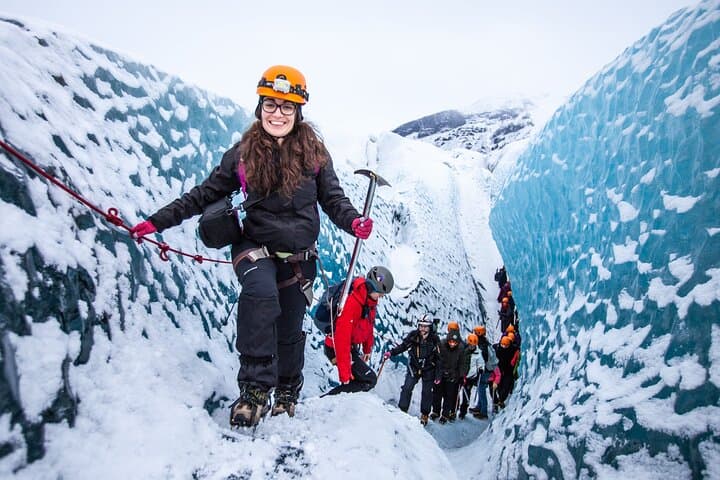
Beneath a sky of shifting light, Skaftafell’s ice reads like a map of time. This three-hour guided glacier hike mixes technical instruction with geology and culture: compact, safe, and unforgettable.