
What the day feels like
The road north slips out of Atlanta’s hustle and climbs toward the Blue Ridge foothills, where vineyards ripple over sun-warmed ridgelines and the air trades exhaust for honeysuckle. Pines stand guard. The hills exhale. By the time the highway narrows to two lanes and the asphalt unwinds into farmland, you’ve crossed an invisible border: the city’s clock loosens its grip, and Dahlonega’s vineyards start calling you by your first name. This is Georgia Wine Country’s heart—close enough for a day, generous enough to feel like a small escape. With an 8.5-hour itinerary that brings you to three distinct wineries, the Dahlonega Wine Tour (Three Wineries) keeps the logistics handled while you handle the important task of tasting. Luxury transportation collects your group in Metro Atlanta or the location of your choice, then glides north to a landscape stitched together by trellised vines and slate-blue horizons. The hills do their slow dance as you pull into each winery—timed tastings, unhurried conversations, and views that quietly insist you stay for one more pour. The North Georgia mountains aren’t Napa, and that’s the point. Dahlonega’s terroir is its own character: granite-based soils, clay-loam pockets, and breezes that slide down from the Appalachians give grapes like Viognier, Cabernet Franc, and Petit Manseng their voice. Sunrises come clean. Afternoons warm just enough. The ridges tilt just so, collecting light and spilling it into the fruit. If you listen, the vines whisper what the land has learned: patience, resilience, a hint of wildness. The local wine story is young but confident, grown from roots that reach into deeper history. Long before corks and tasting flights, prospectors rocked pans in these streams, sparked by America’s first major gold rush in 1829. The town’s very name, Dahlonega, comes from the Cherokee word for “yellow” or “gold.” That same geology—hard rock, mineral-rich soils—now tempers vine vigor and lifts acidity in the fruit. The land that once traded in bright metal now pours brighter flavors. On a typical tour, your driver navigates the region’s marquee names—places like Wolf Mountain Vineyards, Montaluce Winery & Restaurant, Kaya Vineyard & Winery, Three Sisters Vineyards & Winery, Cavender Creek Vineyards, Frogtown Winery, and Accent Cellars—based on your preferences and time. The experience is flexible by design: you can favor mountain-view patios where the ridgelines flex like a relaxed muscle, or opt for intimate tasting rooms where conversations with staff are as smooth as the barrel-aged reds. Price doesn’t include tasting flights or lunch, which means you’re free to build your day exactly how you want it: a lingering meal with a view at a winery restaurant, or a quick bite between pours and another run at the tasting bar. This isn’t a day of endurance; it’s a day of intention. The curves between wineries invite reflection. The rows of vines line up like well-kept promises, and as you walk from parking lot to patio, you can feel the hills nudging you to slow down. The Appalachian foothills know pace. They set the metronome, and the afternoon follows. The best part is the way each stop changes your lens. At one property, a sparkling wine brightens the palate as sunlight pools over a hillside. At the next, a structured red leans into the region’s savory side—forest edge and warm stone. You learn to read the landscape in your glass: the way a slope faces the wind, the hour of afternoon heat, the cool nights that nudge acidity into place. Even the air participates, drifting over the vines and across your table, reminding you that every sip is a small weather report. The tour’s sweet spot is how little you need to manage. Transportation is covered, the itinerary is shaped to your group, and the distance between urban life and vineyard ease narrows to a simple decision: which flight first? That leaves space for the stuff that matters—conversations, views, and a few bottles to bring home. Book through our local experts to streamline the details and keep your focus on the glass: <a href="https://app.advcollective.com/local-experts/dahlonega-wine-tour-three-wineries">Dahlonega Wine Tour (Three Wineries)</a>. If you’re new to Georgia wine, start with aromatic whites and blends that show off North Georgia’s acidity and freshness. Then move to medium-bodied reds where spice notes and forest-framed tannins echo the pines you passed on the drive in. Take your time. Let the hills set the rhythm. Logistics are straightforward. The tour runs roughly 8.5 hours door-to-door for three wineries—enough time to settle into each stop without feeling rushed. Bring a valid ID, comfortable shoes for walking over gravel paths, and a plan for lunch (some vineyards offer sit-down dining; others bring in food trucks or light bites). Most tastings require reservations or are first-come on busy weekends; check with individual wineries. And while this is an easy, elegant way to fill a day, it’s still North Georgia: weather moves, afternoons heat up, and the hills aren’t shy. Hydrate, pace your pours, and let the landscape carry you home. If the day cooperates, late light drops like a soft curtain over the vines. The rows glow with a bronze edge, and the foothills settle into their blues. You’ll feel it then—the balance that makes this tour sing. It’s not dramatic. It’s steady, grounded, and welcoming. The kind of day that leaves you rested and a little changed, with a few stories you’ll want to pour again. When the van turns south and the city lights rise, the vineyards seem to wave you back. The hills keep time. And the road remembers your name.
Trail wisdom
Small choices, better day.
Reserve Tastings Ahead
Weekend slots fill fast at popular wineries; call ahead or reserve online to lock in flights and seating.
Hydrate Between Pours
Bring a refillable bottle and alternate water with tastings to stay fresh across the 8.5-hour day.
Dress for Sun and Gravel
Vineyard paths can be uneven; wear closed-toe shoes and pack a hat for exposed patios.
Build in a Real Lunch
Plan a sit-down meal at a winery restaurant or pre-order snacks so you can pace the tastings comfortably.
Local knowledge
Read the place, not just the route.
Watch for native species including White-tailed deer at dusk near vineyard edges, Red-tailed hawks circling thermal currents above ridgelines.
Keep an eye out for wildlife during the transition between areas and habitats. Respect distance guidelines.
Help keep the foothills pristine—recycle tasting materials, use refillable bottles, and stay on designated paths through vineyard blocks.
Follow the guide's instructions on size limits, ethical handling, and leave-no-trace practices.
Accent Cellars’ riverside vibe for relaxed tastings close to town. Three Sisters Vineyards’ porch for unhurried views of rolling hills
Locally recommended viewpoints and quiet spots known best to local operators.
Dahlonega boomed during the 1829 gold rush and hosted a U.S. Mint branch from 1838–1861; today, former gold country supports a growing wine scene.
Maritime roots and regional tradition shape the waterways and working coasts.
Seasonal guide
Four versions of the same landscape.
Spring
Best forWildflowers and soft light · Cooler patios
ChallengesRain showers · Allergies in bloom
March–May brings crisp air and budding vines; expect mild temps and occasional showers—great for aromatic whites.
Summer
Best forLong patio afternoons · Lush vineyard views
ChallengesHeat and humidity · Afternoon storms
June–August is warm and green; aim for morning or late-day tastings and seek shaded terraces.
Fall
Best forHarvest energy · Peak foliage
ChallengesCrowds on weekends · Limited last-minute reservations
September–November delivers colorful ridgelines and lively crush season—book tastings well in advance.
Winter
Best forQuiet tasting rooms · Cellar-focused reds
ChallengesChilly patios · Short daylight
December–February is calm and cozy; indoor bars shine and staff have more time to talk through flights.
Pack with intention
What to bring.
Good to know
Common questions.
No. Tasting flights and lunch are not included; contact each winery directly for current pricing and reservations.
Plan the edges
The details that make the day easier.
Dahlonega was the site of the first major U.S. gold rush in 1829 and housed a U.S. Mint branch from 1838 to 1861 that struck gold coins marked with a 'D'.
After tastings, wander Dahlonega’s historic square for comfort food at Shenanigans Irish Pub, gourmet burgers at Spirits Tavern, or pastries at The Picnic Café & Dessertery. Beer lovers can sample local taps at Dahlonega Brewery (adjacent to Etowah Meadery), while diners looking to linger should book a table at Montaluce’s Le Vigne or Wolf Mountain’s lauded Sunday brunch when available.
- Closest airport
- Hartsfield–Jackson Atlanta (ATL). Pickup
- Drop-off
- Metro Atlanta or your chosen location. Drive time to Dahlonega: ~1.5 hours (traffic dependent). Cell service: Generally good near town; can be spotty on back roads. Permits: None required; reservations and valid ID needed for tastings.
Use a refillable water bottle, recycle tasting materials, and respect vineyard boundaries. Your hosted transport reduces individual driving, helping minimize traffic and emissions on mountain roads.
Explore by topic
Follow the threads.
Keep exploring
Make the story part of the trip.
In four hours you can move from shaded canyon ferns to wind-scoured coastal ridgelines, guided by someone who knows where the light—and the hidden views—live. This private half-day hike on the Monterey Peninsula or Big Sur is compact, curated, and perfect for travelers who want depth without a multiday commitment.
 Related story
Beneath a sky of shifting light, Skaftafell’s ice reads like a map of time. This three-hour guided glacier hike mixes technical instruction with geology and culture: compact, safe, and unforgettable.
 Related story
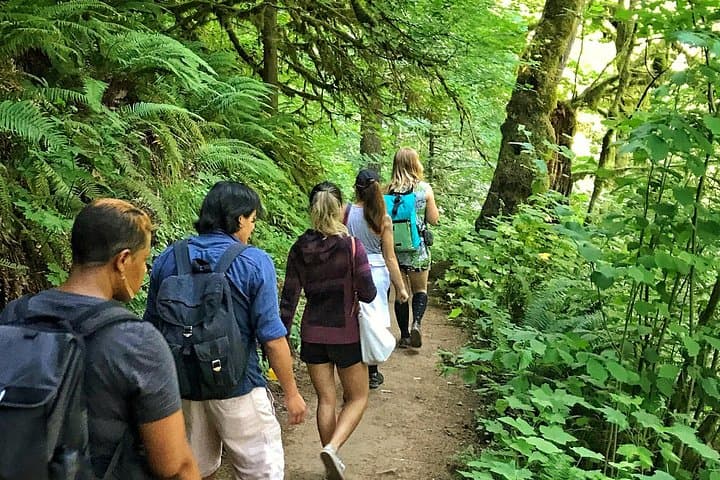
Lose the city for a few hours without leaving it: this 5-mile, 900-foot-gain Forest Park loop threads old-growth pockets, city viewpoints, and cultural landmarks for a compact taste of Portland’s wild side. Expect moss, roots, and stories.