
What the day feels like
The ride begins where spruce meets salt, at Hull’s Cove Visitor Center, with Frenchman Bay breathing a cool wind up the hill and the granite spine of Mount Desert Island rising inland. You swing a leg over the ebike, feel the quiet hum of pedal assist, and roll onto the famed crushed-stone surface that has lured riders for a century. The carriage roads of Acadia don’t shout; they nod you forward. Bridges arch like old friends. Ponds sit still as polished stone. The forest leans in and sets the pace.
For four hours you trace 23 miles through the park’s inland heart, gliding past Duck Brook Bridge, easing into the Witch Hole Pond loop, and eventually coasting toward the Jordan Pond House where popovers have fueled travelers since the late 1800s. The ebike’s motor doesn’t steal the work; it evens the odds—those rolling grades still ask you to show up. It’s aerobic, steady, and surprisingly meditative. Gravel whispers under your tires; cedar and pine drift in. The roads were built for this feeling.
That intent goes back to the early 20th century, when conservation-minded philanthropist John D. Rockefeller Jr. financed and oversaw the construction of these roads between 1913 and 1940, designing 45 miles of stone-dust pathways and 17 granite-faced bridges that merge into the terrain with quiet elegance. No cars. No engines roaring. Just horses, walkers, and bicycles. Today, ebikes are allowed where traditional bikes go, but etiquette still rules: slow for pedestrians, yield to horses, and keep right on two-way stretches. The roads aren’t just infrastructure; they are a philosophy—transport that serves scenery, not the other way around.
Geology gives the drama. Glaciers carved this island into curves and bowls. Jordan Pond—cold, clear, famously deep—sits beneath twin domes called the Bubbles, rounded by ice and time. Bridges like Cobblestone and Hemlock carry you across watercourses where spring snowmelt hurries seaward. Even the stone dust has a local accent—granite underfoot reflecting coastal light. On a clear day, views open toward Sargent and Penobscot mountains, and you feel the island breathing in shoulders and ridgelines.
Culture, here, isn’t far away. Jordan Pond House still serves tea and those warm popovers that have their own gravity after a few hours of riding. In summer, carriage roads hum with a low chorus of languages as travelers circle Witch Hole Pond and pause at Duck Brook Bridge’s triple arches. In fall, the maples turn the edges of the road into a moving gallery—every bend another invitation to stop. And on breezy days, Frenchman Bay throws a salty exhale across the treetops that finds you even deep in the park.
Guided rides streamline the day. You meet your guide, check your fit, and roll together—no guesswork, no wrong turns, just an elegant loop linking highlights at a pace you can hold. If you prefer details before you go, read up on an <a href="https://app.advcollective.com/local-experts/explore-acadia-national-parks-carriage-roads-on-a-guided-ebike-tour">Acadia National Park carriage roads guided e-bike tour</a> to see typical routes, etiquette, and what’s included. Expect steady climbs and gentle descents; some days the roads ride fast and friendly, other days they ask you to respect damp gravel and leaves. The forest will tell you how to ride if you’re listening.
Practical matters matter here. Spring can close the roads temporarily during thaw to protect the surface, so always check the park’s current conditions before you arrive. Summer brings longer days and more traffic—start early for quieter miles. In fall, pack a wind layer; ponds and ridgelines carry a chill, and sunsets fall quicker than you think. Winter shifts the script entirely—the same roads become a haven for cross-country skiers and snowshoers.
On this circuit, highlight stops are natural intermissions: the classic pause at Jordan Pond House; a quick photo under Hemlock Bridge’s clean span; the reflective sweep of Bubble Pond; the elegant stonework of Duck Brook. The bridges don’t just span water—they frame your day, adding rhythm to the ride. And the ebike? It’s the nudge at your back, a patient coach that keeps the group moving and leaves more energy for scenery. These roads were built to be shared, and a guided ride ensures the day flows—no one gets dropped, and no one misses the turn to the good stuff.
If you want to go deeper, learn the backstory on the bridges as you ride. Each has a distinct personality: carved railings, symmetry, carefully placed boulders that look like they’ve always been there. That’s the magic trick of this place—human hands shaped it, but the landscape still leads. For route planning or to reserve your spot, scan offerings like this <a href="https://app.advcollective.com/local-experts/explore-acadia-national-parks-carriage-roads-on-a-guided-ebike-tour">guided ebike tour of Acadia’s carriage roads</a> that starts from Hull’s Cove and threads the park’s finest stretches.
You finish back where you began, legs gently worked, lungs rinsed with spruce air. The road that carried you now lets you go, ready for chowder on the waterfront or a stroll through Bar Harbor. The island keeps moving—tides tugging at cobbles, buses heading for Sand Beach—but in your head, the day still rolls on stone dust, past quiet ponds and steady bridges that do their job and say nothing. Tomorrow, they’ll invite someone else to ride.
Trail wisdom
Small choices, better day.
Mind the Gravel
Carriage roads are crushed stone—feather your brakes on descents and take turns wider than you would on pavement.
Yield with Intention
Horses have the right of way; slow to a crawl and speak to riders as you pass so animals aren’t startled.
Pack for Wind and Shade
Ponds and ridgelines channel cool breezes even in summer—bring a light wind layer.
Hydrate Early
Carry at least 1–1.5 liters of water and sip regularly; there are limited refill points on route.
Local knowledge
Read the place, not just the route.
Watch for native species including Common loons, White-tailed deer.
Keep an eye out for wildlife during the transition between areas and habitats. Respect distance guidelines.
Carriage roads may close during spring thaw to protect the surface; respect closures, stay on gravel, and yield appropriately to reduce trail wear and user conflicts.
Follow the guide's instructions on size limits, ethical handling, and leave-no-trace practices.
Duck Brook Bridge’s triple arches just inland from Bar Harbor. The quieter Witch Hole Pond loop early in the morning
Locally recommended viewpoints and quiet spots known best to local operators.
John D. Rockefeller Jr. funded and oversaw construction of 45 miles of carriage roads and 17 granite bridges between 1913 and 1940 to preserve motor-free travel.
Maritime roots and regional tradition shape the waterways and working coasts.
Seasonal guide
Four versions of the same landscape.
Spring
Best forCool temperatures · Wildflowers
ChallengesMud season closures · Variable weather
Expect crisp air and quieter roads, but check for temporary carriage road closures during freeze–thaw.
Summer
Best forLong daylight · Family outings
ChallengesCrowds · Midday heat
Start early to beat both traffic and sun, and bring extra water for the exposed stretches.
Fall
Best forFoliage views · Stable riding temps
ChallengesEarly sunsets · Wet leaves on corners
Cooler air and brilliant color make for prime riding—add a headlight and layer for afternoon chills.
Winter
Best forSkiing on carriage roads · Quiet landscapes
ChallengesEbike tours typically paused · Icy surfaces
In winter the carriage roads convert to ski and snowshoe terrain; biking access is limited or prohibited.
Pack with intention
What to bring.
Good to know
Common questions.
Yes. Ebikes are allowed where traditional bikes are permitted. Use pedal-assist; do not use a throttle to move without pedaling on the carriage roads.
Plan the edges
The details that make the day easier.
Acadia’s carriage road system features 17 stone-faced bridges and 45 miles of motor-free roads, funded by John D. Rockefeller Jr. between 1913 and 1940.
Post-ride, grab chowder and a lobster roll at The Thirsty Whale in Bar Harbor, or sample local ales at Atlantic Brewing’s Midtown taproom. If your route includes a mid-tour break, Jordan Pond House remains a tradition—tea and popovers with a view of the Bubbles.
- Closest airports
- Hancock County–Bar Harbor (BHB, ~12 mi) and Bangor International (BGR, ~50 mi). Trailhead: Hull’s Cove Visitor Center. From downtown Bar Harbor it’s about 2.5 miles by car. Expect spotty cell service in the park. A park entrance pass is required for vehicles; ebike riders must follow bicycle and carriage road rules.
These historic roads are a protected resource—avoid skidding, ride only when open, and yield to horses and pedestrians. Pack out all trash, including food scraps, to keep wildlife wild.
Explore by topic
Follow the threads.
Keep exploring
Make the story part of the trip.
In four hours you can move from shaded canyon ferns to wind-scoured coastal ridgelines, guided by someone who knows where the light—and the hidden views—live. This private half-day hike on the Monterey Peninsula or Big Sur is compact, curated, and perfect for travelers who want depth without a multiday commitment.
 Related story
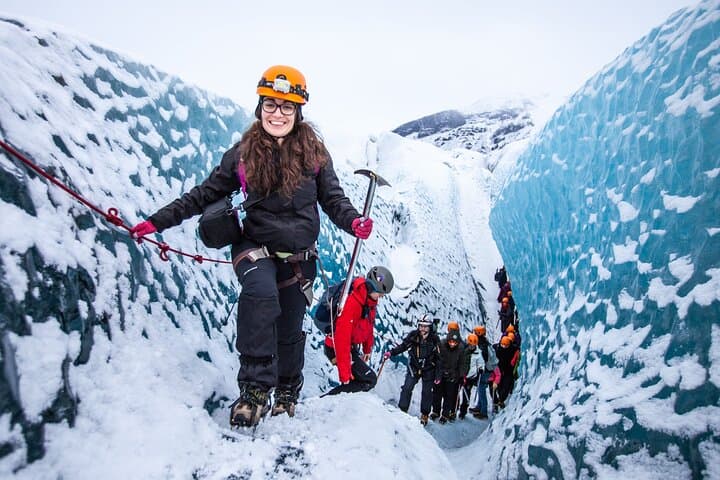
Beneath a sky of shifting light, Skaftafell’s ice reads like a map of time. This three-hour guided glacier hike mixes technical instruction with geology and culture: compact, safe, and unforgettable.
 Related story
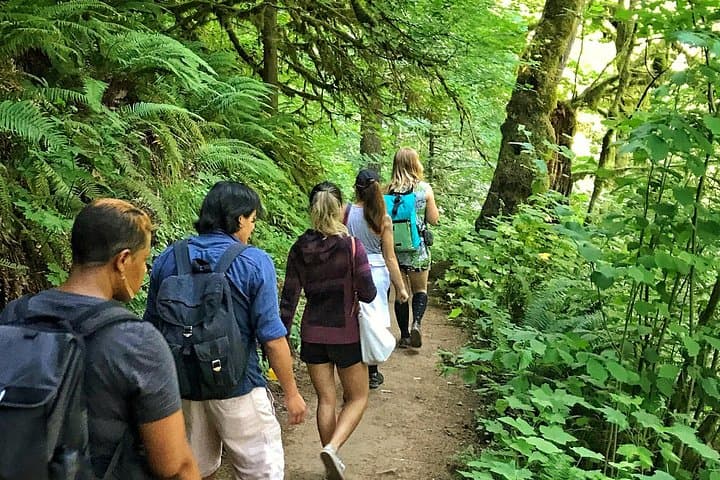
Lose the city for a few hours without leaving it: this 5-mile, 900-foot-gain Forest Park loop threads old-growth pockets, city viewpoints, and cultural landmarks for a compact taste of Portland’s wild side. Expect moss, roots, and stories.