
What the day feels like
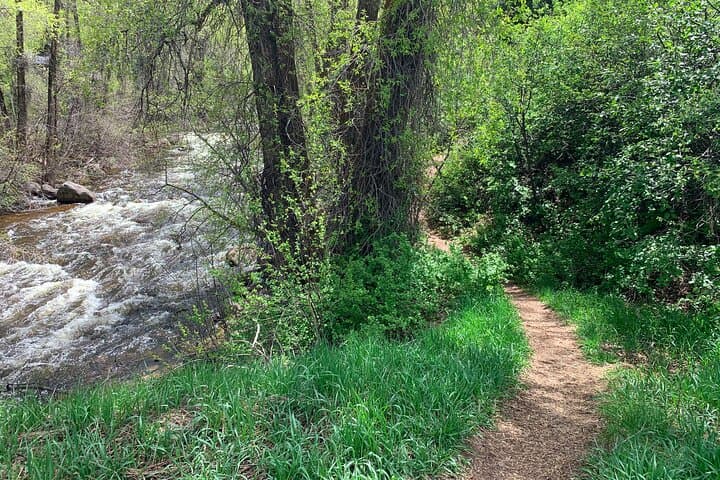
You leave downtown Aspen on foot and the town’s polished veneer—glass, stone, and the occasional luxury SUV—quickly dissolves into a quieter rhythm. The trail drops you into a corridor of cottonwoods and willows where the lower Hunter Creek threads through a narrow valley, its voice steady and insistent. The creek dares you forward; the path answers with compacted dirt, exposed roots and, every so often, a view that makes you forget how close the gondola and galleries of Aspen still are.
This is not a mountain-busting day of vertical; it’s a two-hour, neighborhood-to-nature reconnoiter that rewards curiosity. On the Leisure Hike — East Aspen Hunter Creek you learn the town in micro: the stories of miners who first tapped this valley, the spruce and aspen that signal elevation and season, and the small, human-scale ways the landscape has shaped life here. Guides move at conversational pace, answering questions about local flora and historic homesteads while steering you around slippery stones and the occasional horseback track.
Geologically, this slice of Pitkin County is a study in glacial and fluvial patience. The creek was coaxed into its current route by ice and meltwater over the last ice age, then polished by centuries of seasonal runoff. Trail-side rock reveals hints of granite and metamorphic seams—old mountain bones that now anchor moss and lichens. Look for talus at the base of steeper benches and the braided channels of the creek when spring runoff leans into late May; the streams are active, animated and insistent of their own will.
Culturally, the East End sits between two identities: Aspen the old silver-boom town, and Aspen the modern outdoor-resort hub. You’ll hear the echo of miners’ cabins in the grid of older streets, and the cadence of a community that has steadily traded ore for recreation and the arts. Your guide’s stories—the citrus fumes of a summertime orchard, an old rancher’s plot of wildflowers—help the landscape feel inhabited, not just Instagrammable.
Why take this walk? For starters, it’s efficient: in roughly 2 hours you experience both wild and civic Aspen—creekside tranquility, quiet neighborhoods, and an accessible sample of local ecology. It’s also practical: if you’re acclimating to altitude or scouting routes for longer excursions, this hike offers a manageable ascent (roughly 2.5–3.5 miles round-trip with about 300–500 feet of gain, depending on the loop you take). The terrain is varied—dirt and rock, occasional roots, and short steeper pitches—so it’s honest but not intimidating.
Timing matters. The tour runs May through October and is best when the valley hums with summer life—wildflowers, active wildlife and forgiving temperatures. Spring brings snowmelt energy and louder creeks; fall delivers dramatic color and crisper air. Summer is the sweet spot for most visitors who want a low-effort outing with high payoff.
Practicalities: the hike is labeled moderate; plan on close-toed hiking shoes with decent tread, a daylight headlamp only if you’re starting late, and layers for sudden alpine shifts. Bring water—Colorado humidity is low and a two-hour move under sun will dry you out more quickly than it feels. Guides typically meet near central Aspen, and the route keeps you in the town’s East End and lower Hunter Creek corridor—close to town but far enough for real quiet.
For photographers, the creek is a reliable subject: slow-shutter cascades in the morning, reflective pools in midday, and rim-light through aspens in the late afternoon. Wildlife sightings—mule deer edging through willows, the occasional red fox or chorus of songbirds—reward quiet observation. Respect the animals’ space; even a casual pause can reveal more than a sudden approach.
This walk is simple in premise and layered in experience. It’s an invitation to read Aspen at foot level: the language of water and stone, the human imprints of ranches and early miners, and the modern pulse of a mountain town that still makes room for quiet. If you have two hours in Aspen and want to feel both grounded and oriented, this is a tidy, revealing way to spend them.
Booking and cost are straightforward—the tour runs two hours and is priced from $65 with instant confirmation and free cancellation. Whether you’re resting up between ski runs and concerts or easing into higher-altitude hiking, this route is a pragmatic, scenic primer on what makes Aspen tick.
Trail wisdom
Small choices, better day.
Bring Water
Carry at least 1 liter per person—low humidity and light exertion can dehydrate you quickly.
Wear Grippy Shoes
Expect uneven dirt, roots and slick rocks near the creek—trail runners or light hiking shoes are best.
Start Early
Morning light softens the creek and wildlife is more active—beat the midday crowds and heat.
Respect Wildlife
Keep distance from deer and birds; sudden movement disrupts animal behavior and photos.
Local knowledge
Read the place, not just the route.
Watch for native species including Mule deer, Various songbirds (e.g., warblers and kinglets).
Keep an eye out for wildlife during the transition between areas and habitats. Respect distance guidelines.
This corridor benefits from local land stewardship and trail maintenance—stay on designated paths to protect streamside vegetation and avoid bank erosion.
Follow the guide's instructions on size limits, ethical handling, and leave-no-trace practices.
A quiet riverside bench where older aspens open to creek views. A small, historic homestead site visible from the trail with interpretive clues from your guide
Locally recommended viewpoints and quiet spots known best to local operators.
Aspen began as a mining town during the Colorado Silver Boom of the late 19th century; Hunter Creek supported early homesteads and ranching as miners and settlers moved through the valley.
Maritime roots and regional tradition shape the waterways and working coasts.
Seasonal guide
Four versions of the same landscape.
Spring
Best forWild runoff photos · Early wildflowers
ChallengesStream crossings may be higher · Trail mud and snow patches
Snowmelt keeps Hunter Creek lively; expect brisk water, muddy approaches and rapidly changing trail conditions.
Summer
Best forWarm-weather walking · Birdwatching · Wildflowers
ChallengesAfternoon thunderstorms · High UV exposure
Stable, accessible conditions make summer the most popular time—early starts avoid afternoon storms and heat.
Fall
Best forAspen foliage · Cool, clear air
ChallengesShorter daylight hours · Possible early snow at higher elevations
Golden aspen leave color the valley—bring layers for crisp mornings and chilly evenings.
Winter
Best forSnowshoeing alternatives (not part of this tour) · Quiet town views
ChallengesThis tour runs May–October only · Snow and ice make the route hazardous
The marketed excursion is seasonal; winter conditions change the terrain substantially and require different gear.
Operator details
What the booking data adds.
Included
- ✓Professional Local Guide
Not included
- —Gratuities
Good to know
- ✓Service animals allowed
- ✓Public transportation options are available nearby
- ✓Travelers should have at least a moderate level of physical fitness
- ✓Uneven Trail Surfaces
- ✓Slight Elevation Gain
Pack with intention
What to bring.
Good to know
Common questions.
The guided tour runs about 2 hours; total walking distance is generally in the 2.5–3.5 mile range depending on the loop.
Plan the edges
The details that make the day easier.
Aspen was founded in 1879 during the Colorado Silver Boom and took its name from the abundance of quaking aspen trees in the region.
After the hike, wander back into downtown Aspen for a relaxed meal—Ajax Tavern at the base of the mountain offers hearty fare, while Meat & Cheese (a local market-restaurant) has great small plates and local cheeses to sample; for a quick local brew, check out Aspen Brewing Company.
- Closest airport
- Aspen
- Pitkin County (ASE); Trail access
- East End
- lower Hunter Creek—typically a 5–10 minute drive from downtown; Cell service
- Generally available but patchy under dense canopy; Permits: None required for the guided walk; Duration: 2 hours; Price from: $65; Cancellation: Free cancellation option available.
This creek corridor is sensitive to trampling and bank erosion—stay on trail, pack out any trash, and avoid disturbing river-edge vegetation to protect spawning habitat and water quality.
Explore by topic
Follow the threads.
Keep exploring
Make the story part of the trip.
Set out from Bass Harbor for a private, customizable day on Blue Hill Bay — lighthouses, puffins, seals, and the chance to feel Acadia from the water. Small groups, local captains, unforgettable views.
In four hours you can move from shaded canyon ferns to wind-scoured coastal ridgelines, guided by someone who knows where the light—and the hidden views—live. This private half-day hike on the Monterey Peninsula or Big Sur is compact, curated, and perfect for travelers who want depth without a multiday commitment.
 Related story
Beneath a sky of shifting light, Skaftafell’s ice reads like a map of time. This three-hour guided glacier hike mixes technical instruction with geology and culture: compact, safe, and unforgettable.