
What the day feels like
You feel the Everglades before you see it: a low, sultry breath of river and marsh that moves slow as honey and wide as the horizon. The airboat’s engine wakes the flat water and sawgrass like a hand through a crowd, and suddenly the world tilts from highway blues to green—endless blades of sawgrass folding into a salt-slick estuary where mangroves stand like weathered citadels. On a private four‑hour airboat tour you can lean into that change—away from Miami’s skyline and into a place where birds mark the hour and every channel seems to keep its own secret.
This is the Everglades, often summarized as “river of grass” because that’s exactly what it is: a shallow, slow-moving sheet of freshwater that once drained from Lake Okeechobee toward Florida Bay, leaving limestone, peat and mangrove coastlines in its wake. Geologically, it’s a living patchwork—limestone bedrock capped with marl and peat, punctuated by tidal inlets and sawgrass prairies that shift with the seasons. Human history here is layered too: indigenous Miccosukee and Seminole communities have long ties to the landscape, then 20th-century drainage, rail and highway projects altered the flow, and now a century of restoration work is trying to stitch the hydrology back together.
On a private airboat the pace changes. The captain becomes a storyteller and sentinel: pointing out the wide-headed snout of an alligator, the ghostly outline of a manatee grazing in the shallows, the “curtain” of mangrove roots filtering tides. The boat hovers over grass flats like a bird, skimming narrow channels that feel as private as a backcountry trail. Because this is a private tour, the rhythm is yours—longer stops for photos, a circuit into quieter creeks, time to ask about the Miccosukee communities that still harvest and live from this land. The novelty of an airboat ride—wind and engine, spray and sun—is part theater, part research expedition: you’re seeing a rare ecosystem at full throttle.
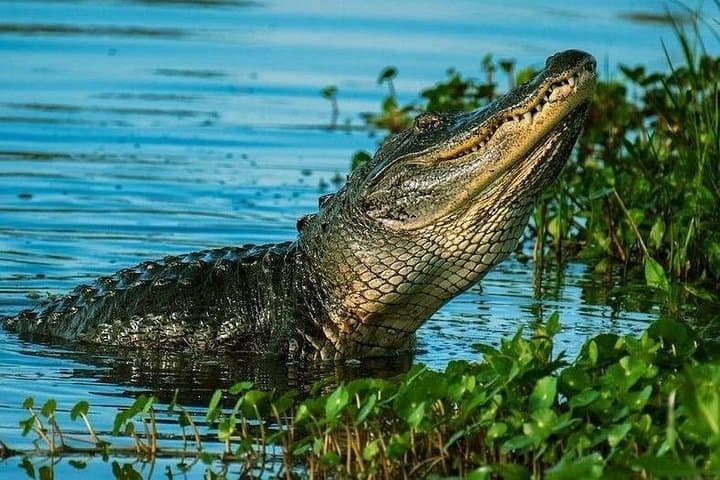
Wildlife here has attitude. American alligators rule the freshwater marshes; wading birds—herons, egrets, roseate spoonbills—assemble like living punctuation marks. Where freshwater meets salt, estuary life explodes: fiddler crabs, stingrays, and seasonal visitors like tarpon. If you want a natural oddity, know that the Everglades are one of the only places on Earth where American alligators and American crocodiles live in the same landscape, though their ranges only occasionally overlap.
The practical edge to this spectacle is simple: a private tour costs more, but it buys time and expertise. The Viator-listed private airboat option typically runs four hours, includes a knowledgeable pilot/guide, and is priced from around $900 for a private party—worth it if you value solitude, questions answered, and the ability to chase light and animals without a crowd. The trip moves between open sloughs and narrow, tannin-stained creeks; wear sun protection, anticipate wind, and bring insect repellent for the wetter months.
Timing matters. The dry season—late fall through spring—concentrates wildlife and offers lower mosquito counts and cooler temps; the summer wet season is lush and dramatic but hotter and flashier with afternoon storms. Photographers will love early morning and late afternoon light when the sawgrass throws long shadows and birds return to roost. Guides will adjust routes based on tides and weather to maximize sightings and safety.
Respect changes everything here. The Everglades’ fragile balance has been altered by canals, invasive species and development. Restoration plans are underway at federal and state levels; your job as a visitor is small but important—don't feed wildlife, follow your guide’s distance rules, and take every wrapper with you. The reward for that small discipline is huge: private, close encounters with a wild Florida that still feels elemental.
If you’re planning the trip, think logistics: many private airboats launch from Everglades City, Homestead, or private launches off Tamiami Trail. Expect 1–2 hours of driving from Miami depending on your launch point; cell service can be patchy, so print or download your reservation details and the operator’s number. Bring layers—mornings are cool, afternoons can be hot—and a waterproof camera bag if you plan to shoot. And if seafood is your thing, plan to finish the day with a fresh catch back in town: the Gulf coast around Everglades City is famous for stone crabs in season.
A private Everglades airboat is not a hike or a climb; it's a different kind of immersion. You're prompted to listen—to water sliding through roots, to the hum of marsh insects, to a guide who’s spent years reading the currents and animal paths. That listening is the central gift of this trip: you come for gators and birds, and you leave with a sharper sense of a landscape that has both survived and needs help. It’s a luxury experience that also feels like an urgent field trip—and that combination is what makes a private Everglades tour worth the price for travelers who want to know, not just see.
Trail wisdom
Small choices, better day.
Book a private slot for flexibility
Private tours let you linger at wildlife sightings and shift routes to chase morning or late-afternoon light.
Dress for wind and sun
Light layers, a hat with a strap, and high-SPF sunscreen protect you from engine spray and midday sun.
Bring insect repellent
Mosquitoes can be persistent in the wet season—DEET or picaridin works best.
Respect wildlife distance
Never approach or feed animals; guides know safe viewing distances that protect both you and the animals.
Local knowledge
Read the place, not just the route.
Watch for native species including American alligator, West Indian manatee.
Keep an eye out for wildlife during the transition between areas and habitats. Respect distance guidelines.
Large-scale restoration projects aim to rehydrate historic flows; visitors help by staying on guided routes, not feeding wildlife, and avoiding single-use plastics.
Follow the guide's instructions on size limits, ethical handling, and leave-no-trace practices.
Shark Valley observation tower for a high vantage on freshwater sloughs. Quiet backwater creeks around Everglades City where wading birds roost at dusk
Locally recommended viewpoints and quiet spots known best to local operators.
The Everglades has long been home to Miccosukee and Seminole communities; 20th-century drainage and development altered water flow, spurring major restoration efforts today.
Maritime roots and regional tradition shape the waterways and working coasts.
Seasonal guide
Four versions of the same landscape.
Spring
Best forBirdwatching · Milder temperatures
ChallengesLate-season mosquitoes in some years · Variable water levels
Spring follows the cool dry season into warming days with abundant bird activity and comfortable conditions for airboating.
Summer
Best forLush marshes · Fewer tourists
ChallengesHigh heat and humidity · Afternoon thunderstorms
Summer makes the Everglades lush and dramatic but plan for heat, storms and more insects.
Fall
Best forFewer crowds · Transitional wildlife movement
ChallengesHurricane season risk early fall · Unpredictable weather
Fall can be quiet and evocative; watch the calendar for storm windows and flexible cancellation policies.
Winter
Best forDry-season wildlife spotting · Cooler temperatures
ChallengesHigher demand and prices · Cooler mornings
Winter is peak viewing: lower water concentrates animals and mosquitoes drop, making it a top time to visit.
Operator details
What the booking data adds.
Included
- ✓Private transportation
- ✓Hotel pickup and drop-off
- ✓Bottled water
- ✓All Fees and Taxes
- ✓Air boat ride
- ✓Entry/Admission
Not included
- —Gratuities
Good to know
- ✓Infants and small children can ride in a pram or stroller
- ✓Service animals allowed
- ✓Public transportation options are available nearby
- ✓Specialized infant seats are available
- ✓Suitable for all physical fitness levels
- ✓The transportation duration is included on the total duration of the Tour
Pack with intention
What to bring.
Good to know
Common questions.
The listed private tour runs about four hours, which typically includes pick-up time, the airboat ride, wildlife viewing and return.
Plan the edges
The details that make the day easier.
The Everglades is one of the only places on Earth where American alligators and American crocodiles both live in the same ecosystem.
After a morning on the water, head to Everglades City’s seafood shacks for fresh Gulf fish or stone crabs in season; if you’re based in Miami, finish with coffee and Cuban pastries to round out a South Florida day.
- Closest major airport
- Miami International Airport (MIA). Driving: 1–2 hours to common launch points depending on traffic. Cell service: patchy in the marsh. Permits
- fees
- park entrance fees may apply if visiting Everglades National Park; private tour operator handles permits for guided areas.
The Everglades faces threats from water diversion, pollution and invasive species; choose operators that follow Leave No Trace principles, avoid feeding wildlife, and use refillable water bottles to reduce single-use plastics.
Explore by topic
Follow the threads.
Keep exploring
Make the story part of the trip.
Set out from Bass Harbor for a private, customizable day on Blue Hill Bay — lighthouses, puffins, seals, and the chance to feel Acadia from the water. Small groups, local captains, unforgettable views.
In four hours you can move from shaded canyon ferns to wind-scoured coastal ridgelines, guided by someone who knows where the light—and the hidden views—live. This private half-day hike on the Monterey Peninsula or Big Sur is compact, curated, and perfect for travelers who want depth without a multiday commitment.
 Related story
Beneath a sky of shifting light, Skaftafell’s ice reads like a map of time. This three-hour guided glacier hike mixes technical instruction with geology and culture: compact, safe, and unforgettable.