
What the day feels like
The beach narrows to a ribbon of hard-packed sand, and the Atlantic keeps a slow drumbeat on your left. Ahead, the dunes tilt like sleeping giants, and the wind—never shy on this stretch of coast—tugs at your hat, tests your balance, and clears your head. The Hummer idles, a low rumble beneath you, before easing forward and letting the shoreline do the talking. Then, as if summoned from the sea grass itself, a small band of horses steps into view. They pause—dark eyes bright in the salt light—then flick their manes and continue north, unhurried, as if they wrote the rules of this place. The <a href="https://app.advcollective.com/local-experts/explore-the-outer-banks-wild-horse-sanctuary-on-a-unique-hummer-adventure-tour">Hummer Adventure Tour</a> doesn’t promise miracles, just access. Out here, access is everything.
This is Corolla’s 4x4 country—the far northern Outer Banks where pavement surrenders to sand and the dunes move to their own rhythm. For two hours, a customized open-air Hummer H1 (rebuilt to military-grade toughness and fitted with stadium seating and a 360-degree mesh-and-clear-plastic canopy) rolls across three ecosystems: beach, back-dune corridors, and maritime forest. The vehicle is a character in the story—tall and steady, confident on the shifting terrain. It shrugs off washboard ruts and lets the coast speak for itself, yet you’re not boxed in. The wind gets a seat, the horizon gets a front row, and visibility is the point.
The headline draw is indeed wild: the Outer Banks’ Spanish Mustangs, a herd with a lineage that threads back to the 1500s, likely survivors of shipwrecks or jettisoned cargo from early Spanish exploration. The horses adapted to brackish water and sparse dune grasses; their compact size and hardy build make sense when you watch them work the landscape, choosing shade under live oaks or cresting the dunes to catch the breeze. This tour holds exclusive access into the Wild Horse Sanctuary—an inland corridor of scrub, flats, and maritime forest where the animals sometimes retreat when the beach is busy. Responsible distance is baked in; you’ll learn how to observe without intruding. The horses set the pace, and you’re a respectful witness.
Between sightings, the Outer Banks tells its story in layers. Geology first: a chain of barrier islands constantly on the move, shaped by storms, longshore currents, and wind. Dunes walk. Inlets open and close. The Hummer noses toward the sound side where maritime forest builds a windbreak of live oak and loblolly pine, and then it sweeps back to the Atlantic where the water is never quiet. Culture next: fishermen working the run, beach cottages stilted up to ride out surges, and a frontier energy that still hums north of Corolla where roads fade. The tour doesn’t rush this context—it gives it space so the horses feel like part of a living, evolving coastline rather than a postcard.
If travel is timing, Corolla rewards those who read the weather and the seasons. Spring arrives soft and breezy; summer brings heat, crowds, and a bright, high sun; fall settles into gold light and quieter sands; winter can be stark and generous with empty horizons. The <a href="https://app.advcollective.com/local-experts/explore-the-outer-banks-wild-horse-sanctuary-on-a-unique-hummer-adventure-tour">Outer Banks Wild Horse Sanctuary Hummer tour</a> runs in multiple seasons, with off-season departures that swap peak crowds for slower skies and room to breathe. The vehicle’s canopy offers UV protection and a shield against the occasional squall, but you’ll still feel the elements. That’s why you’re here.
The build of the H1 matters as much as the setting. This isn’t a bench-seat, hold-on-and-hope ride. Individual 21-inch seats, seatbelts, and child-seat compatibility make it family-forward without watering down the adventure. A roll cage integrated into the frame offers peace of mind on shifting sands. Stadium seating means people in the back are not craning necks around baseball caps for a view. If you’ve steered your own 4x4 on beach sand, you’ll instantly respect the Hummer’s sure-footed approach; if you haven’t, you’ll be glad a professional is in the driver’s seat.
The practicals are straightforward. Tours depart on time, which means arriving 30 minutes early is a gift to yourself. Bring a car seat for little travelers if required. Wear layers and close-toed shoes; the sand plays nice most days, but it likes to test your wardrobe choices. Sunglasses and a strap help in the wind. Photographers should consider a telephoto lens or a pair of binoculars; while you’ll get close views, responsible wildlife etiquette means keeping distance. The horses live here. You’re just passing through.
Expect conversation—about the herd’s genetic testing and protection, about how storms can redefine access points overnight, about the etiquette of sand roads where wild horses, pedestrians, and trucks share space. Guides are tuned to the landscape and the rules that keep it healthy. You’ll hear about staying 50 feet from the horses (a law with teeth), deflating tires if you ever drive this stretch on your own, and how the sanctuary’s access changes with tide and weather. Sustainability isn’t a buzzword out here—it’s survival.
There’s a particular satisfaction in rolling off the beach after a sighting and realizing how little you needed to do to be part of it. The Hummer did the heavy lifting. The coast carried the narrative. The horses set the tone. You’ll step down a little wind-dusted and sun-kissed, richer for the encounter, and—if you’re paying attention—quieter inside.
If your plans bring you north, keep an eye on late afternoons and early mornings when horses often move in cooler air and the light softens. Fall, in particular, paints the dunes with long shadows. Whether you’re here for the romance of a wild herd or the kinetic thrill of over-sand travel, this tour ties both threads into something grounded and real. Book the <a href="https://app.advcollective.com/local-experts/explore-the-outer-banks-wild-horse-sanctuary-on-a-unique-hummer-adventure-tour">Hummer Adventure Tour on the Outer Banks</a> and let the wind write the first line.
Trail wisdom
Small choices, better day.
Arrive Early, Sit High
Check in 30 minutes before departure to grab preferred stadium-style seats with the cleanest sightlines for wildlife viewing.
Dress For Wind And Sun
Even on mild days, gusts and UV are real on the beach—wear layers, a brimmed hat with a strap, and polarized sunglasses.
Mind The Wildlife Buffer
Keep at least 50 feet from the horses—use zoom lenses or binoculars for close-ups and never attempt to feed them.
Secure Small Items
The ride is open-air; use straps or zip pockets for phones, hats, and filters so the wind doesn’t claim them.
Local knowledge
Read the place, not just the route.
Watch for native species including Wild Spanish Mustangs, Osprey.
Keep an eye out for wildlife during the transition between areas and habitats. Respect distance guidelines.
The herd is managed for genetic health and safety; visitors must keep 50 feet away and never feed the horses. Respect beach-driving rules to protect dunes, birds, and turtle nesting zones.
Follow the guide's instructions on size limits, ethical handling, and leave-no-trace practices.
Currituck Banks Reserve boardwalk trail for a short post-tour stroll into maritime forest. Historic Corolla Village for quiet lanes, a tiny bookstore, and coastal history
Locally recommended viewpoints and quiet spots known best to local operators.
The Corolla wild horses are Colonial Spanish Mustangs, likely descendants of 16th-century shipwreck survivors; they were designated the North Carolina State Horse in 2010.
Maritime roots and regional tradition shape the waterways and working coasts.
Seasonal guide
Four versions of the same landscape.
Spring
Best forCooler temps · Active wildlife
ChallengesWindy days · Unpredictable showers
Expect mild days and dynamic skies; horses often roam more in cooler air, making sightings frequent.
Summer
Best forBeach vibes · Family trips
ChallengesHigh UV index · Crowds and soft sand at mid-day
Go early or late to avoid heat glare and busy beaches; canopy provides shade but hydration is key.
Fall
Best forGolden light · Quieter beaches
ChallengesOccasional storms · Shorter days
Often the sweet spot—warm water, crisp air, and fewer vehicles on the sand enhance the sanctuary feel.
Winter
Best forEmpty horizons · Migratory bird sightings
ChallengesCold wind · Limited tour schedules
Bundle up; the landscape turns austere and beautiful, with wide-open views and minimal traffic.
Pack with intention
What to bring.
Good to know
Common questions.
The tour runs approximately 2 hours. Please arrive at least 30 minutes before your scheduled departure to check in and settle into your seat.
Plan the edges
The details that make the day easier.
North Carolina designated the Colonial Spanish Mustang as the official state horse in 2010 to recognize the Corolla herd’s 16th-century origins and cultural significance.
Post-ride, head to North Banks Restaurant & Raw Bar in TimBuck II for local oysters and a cold beer, or grab smoky pulled pork at Corolla Village Bar-B-Que. Stroll Historic Corolla Village’s shell paths, and if the evening lingers, catch sunset over Currituck Sound from the public gazebo near the Whalehead Club.
- Closest airport
- Norfolk International (ORF), ~2 hours by car. Meeting point: 610 Currituck Clubhouse Dr., Corolla, NC. Driving distance from Corolla village: ~10–15 minutes depending on traffic. Cell service: Generally good in Corolla; spotty north on 4x4 beaches. Permits: None needed as a passenger on this tour; personal beach driving requires a 4x4, aired-down tires, and adherence to local regulations.
These barrier islands are constantly shifting and support sensitive wildlife. Keep the 50-foot horse buffer, pack out every scrap of trash, and stay off dunes so vegetation can anchor the sands that protect the islands.
Explore by topic
Follow the threads.
Keep exploring
Make the story part of the trip.
In four hours you can move from shaded canyon ferns to wind-scoured coastal ridgelines, guided by someone who knows where the light—and the hidden views—live. This private half-day hike on the Monterey Peninsula or Big Sur is compact, curated, and perfect for travelers who want depth without a multiday commitment.
 Related story
Beneath a sky of shifting light, Skaftafell’s ice reads like a map of time. This three-hour guided glacier hike mixes technical instruction with geology and culture: compact, safe, and unforgettable.
 Related story
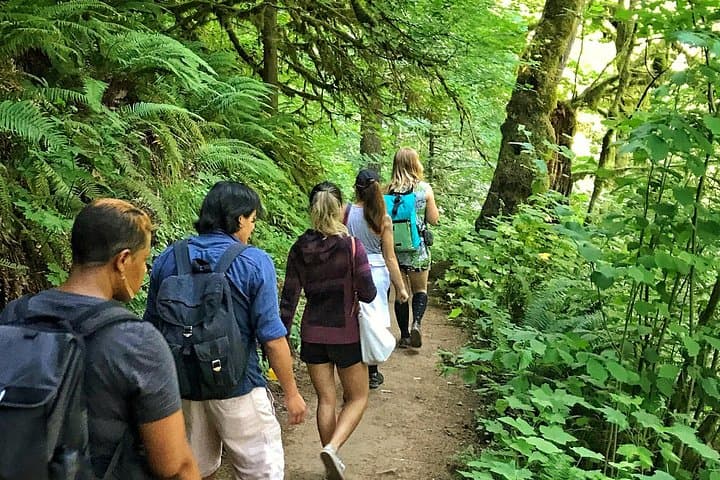
Lose the city for a few hours without leaving it: this 5-mile, 900-foot-gain Forest Park loop threads old-growth pockets, city viewpoints, and cultural landmarks for a compact taste of Portland’s wild side. Expect moss, roots, and stories.