
What the day feels like
You push off from shore and the river answers—at first a polite ripple, then a taut, rolling pull that seems to inhale the forest around you. Pine and oak slope to the water’s edge; overhead, the New River Gorge Bridge appears and disappears through breaks in the canopy like a promise. Minutes later the hush breaks: the raft squares into its first ledge and the boat’s bow finds its rhythm. You’re headed for named rapids—Surprise, Greyhound Bus Stopper, Double Z—that wear their reputations honestly. This is the Lower New River • Full Day, a 4–6 hour run where class III–V whitewater punctuates long, calm pools and roadside relics of West Virginia’s coal past interrupt the green.
The New River is paradoxically old and immediate. Geologists often call it one of North America’s oldest rivers; its course cut through rising Appalachians, carving the gorge you float today. That deep, slow work produced the drop-points and ledges that make this stretch worth a full day: sustained rapids that demand attention, interspersed with flatwater where you drink in the gorge walls, the abandoned stone foundations of ghost towns, and the occasional angler standing waist-deep where the current falters.
There’s a cultural and industrial history braided into the banks. Coal towns like Nuttallburg once lined the river, shipping ore by narrow gauge and steam to markets downstream; now their stone walls and mine openings offer a startling counterpoint to the forest’s regrowth. The route also frames modern West Virginia: Fayetteville and Lansing feel like small-town bases for big days outdoors, and the towns’ menus, bars, and breweries make a satisfying bookend to a wet, exhausting run.
This trip balances adrenaline and accessibility. Guides set the pace—coaching, timing reads on ledges, and calling commands as the raft negotiates waves that can toss and toss you. The run is physically demanding in short bursts: efficient paddling, a low center of gravity, and some quick muscular engagement when the boat meets a hole or a pour-over. But between the rapids you’ll have time to swim in calm pools, jump from “jump rocks,” and eat a deli-style lunch onshore with a view of the bridge. The company running this route includes wetsuit and spray jacket rentals for colder days, PFDs and helmets, and a safety-first approach that makes a high-energy river accessible to families with kids 11 and older.
Practicalities matter out here. Check-in is at 115 Oscar White Rd., Lansing, WV—arrive 30 minutes early for waivers and a briefing; the standard boats carry eight paddlers plus a guide, and upgrades to smaller boats are available for groups who want a more intense ride. Bring a small dry bag for keys and a phone, water shoes with heel straps, a change of clothes, and sunscreen. If you manage medications—EpiPens, inhalers, insulin—communicate with staff at check-in; guides keep med kits onboard.
The trip’s tempo varies with water levels. High-water days move faster and make rapids punchier; low water exposes more rock and requires sharper steering. Rain doesn’t cancel—guides run in drizzle, and the outfit will cancel only for severe conditions. For photography, bring a waterproof case or a camera you’re willing to get splashed; the bridge, the ledges, and the ghost-town ruins make for lasting frames.
This stretch of the New River Gorge became part of the New River Gorge National Park and Preserve in recent years, an important conservation win that helps protect river corridors and historical sites while encouraging responsible recreation. Respect that stewardship: pack out trash, minimize riverbank disturbance, and follow guide instructions for wildlife encounters. Expect to see bald eagles cruising thermals above the gorge, deer along sandy banks, and the occasional river otter slipping through eddies.
Why book this particular run? It’s the full-circuit experience: sustained whitewater, long scenic floats, a full-day rhythm that feels like a proper trip rather than a rush through rapids. Families with teens, multi-gen groups, and experienced paddlers who want to spend a day on major New River features will find it satisfying. For anyone who wants to know what West Virginia outdoor life looks like—the industrial echoes, the deep geology, and a river that both calms and dares you—this is an excellent doorway. Reserve through the operator’s local page to read trip details and confirm availability: Lower New River Full Day.
If you’re plotting a trip: come prepared with a plan for after the river. Fayetteville’s small-town cafés and pubs are a good place to stretch out and talk over photos. Stay hydrated before launch, follow your guide, and let the gorge set the day’s cadence: quick bursts of focus, then calm and wide views where your paddle can rest.
Book the run when flows look lively and the weather’s clear, and you’ll leave with a tired smile, water-stiff shoulders, and a story about the river that is older than the hills around it. For logistics, dates, and reservations, check the Lower New River Full Day listing to confirm meeting times, age rules, and equipment options.
Trail wisdom
Small choices, better day.
Arrive Early for Check-In
Plan to be at 115 Oscar White Rd. 30 minutes before your trip time to complete waivers and get fitted for gear.
Use Heel-Strap Shoes
Old sneakers or strapped sandals keep your feet protected and prevent losing footwear in rapids.
Hydrate Before You Launch
Bring a small water bottle and hydrate in the hour before the trip—paddling is surprisingly aerobic.
Pack a Small Dry Bag
Keep keys, medication, and a phone in a waterproof bag to protect valuables when the raft hits waves.
Local knowledge
Read the place, not just the route.
Watch for native species including Bald eagle, River otter.
Keep an eye out for wildlife during the transition between areas and habitats. Respect distance guidelines.
The New River Gorge is a National Park and Preserve; visitors should pack out trash, minimize shoreline disturbance, and follow Leave No Trace practices.
Follow the guide's instructions on size limits, ethical handling, and leave-no-trace practices.
Nuttallburg coal mine ruins visible from the river. Natural jump-rocks and hidden swimming pools in calm runs
Locally recommended viewpoints and quiet spots known best to local operators.
Coal mining and rail transport shaped the gorge—stone ruins of company towns like Nuttallburg punctuate the riverbanks.
Maritime roots and regional tradition shape the waterways and working coasts.
Seasonal guide
Four versions of the same landscape.
Spring
Best forHigher water flows · Vibrant riverside greenery
ChallengesCooler air and water temperatures · Variable weather and flows
Spring brings higher flows and punchier rapids—good for strong paddlers; bring warm, quick-drying layers and consider a wetsuit rental.
Summer
Best forWarm swimming in calm pools · Long daylight hours
ChallengesCrowded weekends · Strong sun exposure
Summer is the most popular season—expect warm water and easy swim stops, but book ahead for weekend slots and bring sun protection.
Fall
Best forColorful foliage vistas · Stable, scenic paddling
ChallengesCooler mornings and colder water · Shorter days
Fall offers spectacular color and crisp air; layers and wetsuit options make early-season trips comfortable.
Winter
Best forEmpty schedules and quiet riverscapes
ChallengesCold temps require wetsuits or cancelling in extreme weather · Limited daylight
Trips run year-round in many conditions—rent a Farmer John wetsuit and a spray jacket for colder months and expect a quieter river.
Pack with intention
What to bring.
Good to know
Common questions.
The minimum age for this section of the New River is 11; children must be accompanied by a parent or guardian.
Plan the edges
The details that make the day easier.
The New River is often described as one of the oldest rivers in North America and cut its course before the final uplift of the Appalachians—its deep gorge records millions of years of geologic history.
After the river, head to downtown Fayetteville for casual pubs, sandwich shops, and locally brewed beers—it’s the debriefing place for paddlers and climbers alike; many spots post your photos on a pin board and swap beta for nearby trails and climbs.
- Closest major airport
- Charleston Yeager (CRW) ~40–50 miles; Driving distance from Fayetteville: ~12 miles
- 20 minutes to meeting point at 115 Oscar White Rd.; Cell service
- intermittent in the gorge; Permits: none required—book with operator and complete waiver; Check-in: 30 minutes before trip time.
This river runs through a National Park and Preserve—pack out all trash, avoid leaning or walking on fragile riverbank vegetation, and follow outfitter guidance to minimize wildlife disturbance.
Explore by topic
Follow the threads.
Keep exploring
Make the story part of the trip.
In four hours you can move from shaded canyon ferns to wind-scoured coastal ridgelines, guided by someone who knows where the light—and the hidden views—live. This private half-day hike on the Monterey Peninsula or Big Sur is compact, curated, and perfect for travelers who want depth without a multiday commitment.
 Related story
Beneath a sky of shifting light, Skaftafell’s ice reads like a map of time. This three-hour guided glacier hike mixes technical instruction with geology and culture: compact, safe, and unforgettable.
 Related story
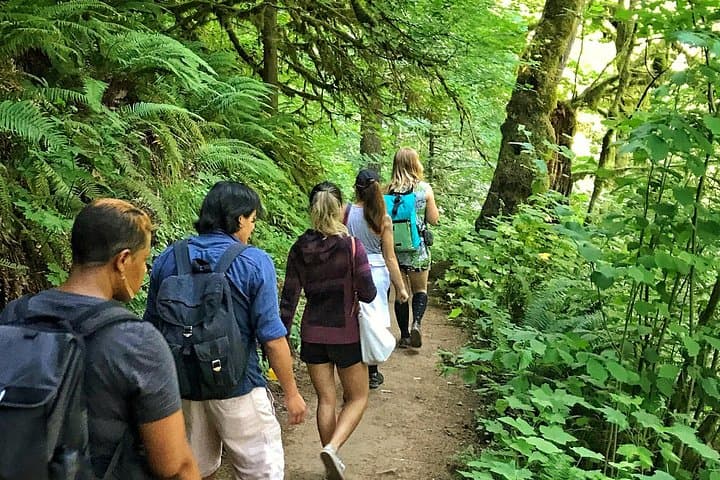
Lose the city for a few hours without leaving it: this 5-mile, 900-foot-gain Forest Park loop threads old-growth pockets, city viewpoints, and cultural landmarks for a compact taste of Portland’s wild side. Expect moss, roots, and stories.