
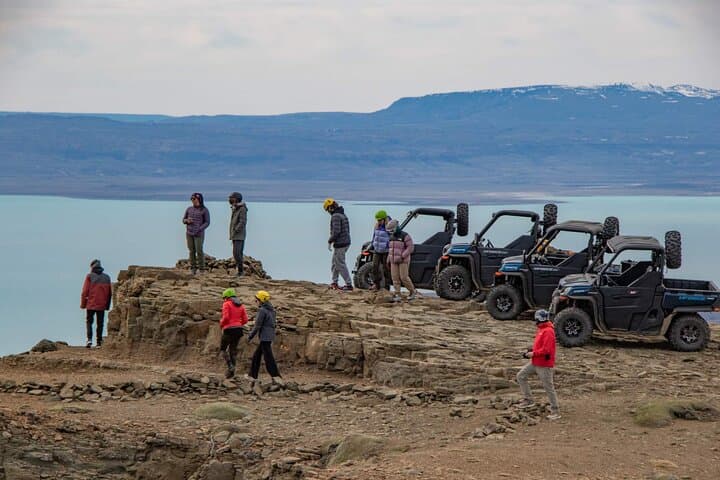
What the day feels like
The engine murmurs like a careful guide as the convoy eases off the asphalt and onto the wind-sculpted steppe. Low scrub and long horizons spill away in all directions; the road is a stitch of dirt and gravel tracing the folds of gentle hills. In the passenger seat you have the best of Patagonia in compressed form—Lake Argentino glinting to the west, the Southern Ice Field rising like a blanked-off world to the south, and, on clearer days, the silhouettes of Fitz Roy and Cerro Torre pinching the horizon far to the north. This is the rhythm of the Extreme Adventure 4x4: deliberate, scenic, and designed so you can look up from the dust and actually take it in.
The tour starts with hotel pickup in El Calafate and a short transfer to Estancia Huyliche, a working estancia that still bears the grain of Patagonia’s ranching past. You’ll get a quick safety briefing and meet the tandem guides—two vehicles move together, pace deliberately slow, and the idea is sightseeing more than adrenaline. For about two hours the trail climbs to Los Balcones, a series of lookout points that open the landscape like a set of stage curtains. From the balcones you see expansive Lake Argentino, the icefields that feed the region’s great glaciers, and the serrated Andean skyline. It’s not a technical off-road test so much as an access road to a string of high-design viewpoints where the land does most of the talking.
Estancias like Huyliche are part of Patagonia’s living history. After the 19th-century push for sheep ranching, these properties became both economic anchors and cultural touchstones: corrals and shearing sheds still punctuate the landscape, and meal times echo the asado tradition—slow-roasted lamb, simple salads, and that saline bite of mountain air that makes everything taste sharper. At Huyliche the kitchen is in the old laborers’ house; expect a genuine, no-frills Patagonian meal after the tour that feels earned.
Geology is the silent author here. The Southern Patagonian Ice Field—the world’s second-largest contiguous extrapolar ice mass—has sculpted Lake Argentino and the surrounding valleys. What you’re seeing from the balcones are scoured slopes and morainal deposits; the hills you drive across are the leftover grammar of repeated glacial advance and retreat. Above everything hangs weather: in Patagonia, light and cloud build fast, reshaping the same vista into multiple postcards in a single hour.
Why do this trip? For travelers who want a concentrated taste of Patagonian scale without the strain of a multi-day trek, the 4x4 loop delivers the terrain, the history, and a meal at a real estancia in about three hours. It’s well-suited to families, photographers, and anyone who wants to feel the land’s texture under knobbly tires rather than in hiking boots.
Practicalities are tidy. The tour runs about three hours total, including transfers and the meal; two hours are spent on the hill roads and at viewpoints. Guides run the circuit in tandem and keep speeds modest, emphasizing views and safety over thrills. Cost is in the neighborhood of USD 250 per person, with instant confirmation and free cancellation options noted at booking. You won’t need specialized skills—just a tolerance for dust, some flexibility if the weather changes, and a respect for working-ranch etiquette when you arrive.
A few hands-on suggestions: wear closed, grippy shoes for walking around corrals and the shearing shed; bring durable, layered clothing because wind and sun trade places quickly here; and keep your camera at the ready—the light over Lake Argentino often rewards patient framing. If you’re hoping for iconic mountain silhouettes, come in the long southern summer days (December–February) when visibility is generally best, but remember that Patagonia’s weather can flip fast; a clear morning can cloud over by noon.
Local etiquette matters. Estancias are working places with animals and livelihoods attached; don’t wander off without a guide, ask before photographing people at work, and accept food and hospitality as part of the cultural exchange. Environmentally, the region is fragile. The steppe recovers slowly from vehicle tracks and off-trail exploration damages plant life; stick to the route, pack out any trash, and follow guide instructions.
For those who want a fuller itinerary, the 4x4 tour pairs well with glacier visits and hikes around El Calafate—think Perito Moreno for scale, or a day trip to El Chaltén for alpine hiking. But for a short window or a mellow morning, Estancia Huyliche gives a condensed lesson in the region’s scenery, history, and food without the logistics of a long backcountry trip.
At the end of the loop you ride back through a landscape that somehow feels both emptied down to essentials and packed with stories: pastoral labor, glacial time, and a geography that tests how small we are. The lunch—smoky, honest, and local—pulls it all together, a final handshake between traveler and place. It’s a quick circuit, but one that leaves you with useful mental images: the pale sweep of Lake Argentino, the distant knife of the Andes, and the quiet confidence of an estancia that’s been doing this for generations.
Trail wisdom
Small choices, better day.
Layer for wind and sun
Temperatures swing quickly; pack a windproof shell and sun layers to adapt on the trail and at viewpoints.
Bring a dust-buffer
A bandana or buff and sunglasses will make the dirt-road portions more comfortable.
Protect your camera
Use a UV or polarizing filter to cut glare on Lake Argentino and protect your lens from grit.
Respect the estancia
Ask before entering corrals or photographing workers; follow guide directions around livestock.
Local knowledge
Read the place, not just the route.
Watch for native species including Guanaco, Patagonian fox.
Keep an eye out for wildlife during the transition between areas and habitats. Respect distance guidelines.
The Southern Patagonian steppe is ecologically fragile; stick to marked routes, avoid disturbing wildlife, and pack out all waste to help preserve the grazing lands.
Follow the guide's instructions on size limits, ethical handling, and leave-no-trace practices.
Sunrise views from the eastern edge of Los Balcones (ask your guide to time a stop). The old shearing shed—photogenic timber and local tools that tell the ranching story
Locally recommended viewpoints and quiet spots known best to local operators.
Estancias around El Calafate date to 19th-century ranching expansion when sheep farming reshaped the economy and landscape of southern Patagonia.
Maritime roots and regional tradition shape the waterways and working coasts.
Seasonal guide
Four versions of the same landscape.
Spring
Best forWildflower accents on the steppe · Quieter trails · Milder crowds
ChallengesChangeable weather · Cool nights
Spring (Sept–Nov) brings blooming low shrubs and fewer visitors, but expect brisk winds and sudden temperature shifts.
Summer
Best forBest visibility for mountain silhouettes · Longest daylight hours · Warmer temperatures
ChallengesStronger sun exposure · More visitors in El Calafate
Summer (Dec–Feb) is ideal for clear views and comfortable touring—pack sun protection and arrive early to avoid peak groups.
Fall
Best forGolden steppe tones · Less crowds · Cool, crisp light
ChallengesShortening days · Unpredictable weather
Fall (Mar–May) offers dramatic light and quieter routes but cooler temperatures and earlier nightfall.
Winter
Best forSnow-framed vistas on clear days · Low tourist traffic
ChallengesCold temperatures · Limited services and shorter days
Winter (Jun–Aug) is quiet and stark; only attempt if prepared for cold and possible access limitations.
Operator details
What the booking data adds.
Included
- ✓Lunch, snack or dinner according to the reserved hour. Includes glass of wine.
- ✓Guide
- ✓Helmet and Security equipment
Good to know
- ✓Not recommended for travelers with spinal injuries
- ✓Not recommended for travelers with poor cardiovascular health
- ✓Not recommended for pregnant travelers
- ✓Travelers should have at least a moderate level of physical fitness
Pack with intention
What to bring.
Good to know
Common questions.
The full experience runs about three hours, including hotel transfers, a two-hour 4x4 circuit, and the estancia meal.
Plan the edges
The details that make the day easier.
Lake Argentino is the largest freshwater lake in Argentina by surface area, formed and shaped by the advance and retreat of the Southern Patagonian Ice Field.
After the tour, head back to El Calafate for roasted Patagonian lamb or a plate of calafate berry desserts and local craft beer—Estancia meals are hearty, but town restaurants add variety and a chance to linger.
- Closest airport
- Comandante Armando Tola International Airport (FTE) in El Calafate; Driving time from town: ~20–40 minutes to Estancia Huyliche depending on pickup; Cell service: intermittent at the estancia and viewpoints; Permits: none required for this commercial tour.
Patagonia’s steppe and glacial systems are sensitive—stay on designated routes, avoid feeding wildlife, and take all trash with you. Support local estancias that practice sustainable grazing and conservation-minded tourism.
Explore by topic
Follow the threads.
Keep exploring
Make the story part of the trip.
In four hours you can move from shaded canyon ferns to wind-scoured coastal ridgelines, guided by someone who knows where the light—and the hidden views—live. This private half-day hike on the Monterey Peninsula or Big Sur is compact, curated, and perfect for travelers who want depth without a multiday commitment.
 Related story
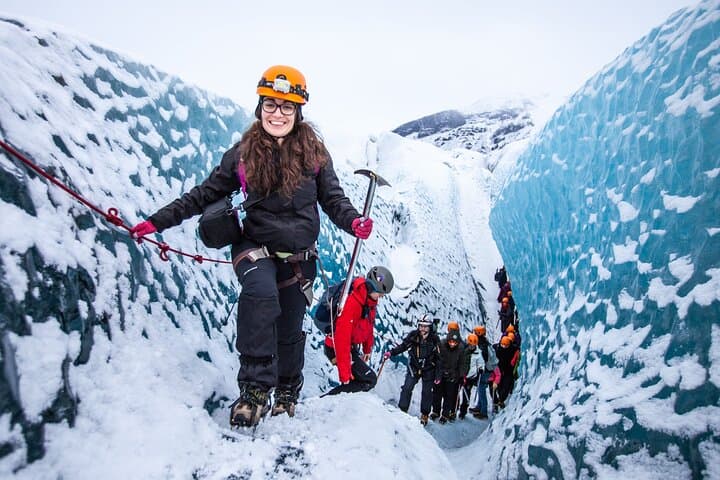
Beneath a sky of shifting light, Skaftafell’s ice reads like a map of time. This three-hour guided glacier hike mixes technical instruction with geology and culture: compact, safe, and unforgettable.
 Related story
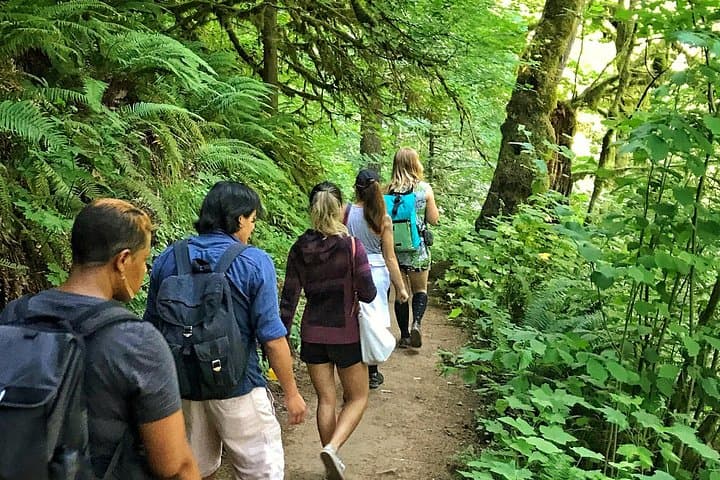
Lose the city for a few hours without leaving it: this 5-mile, 900-foot-gain Forest Park loop threads old-growth pockets, city viewpoints, and cultural landmarks for a compact taste of Portland’s wild side. Expect moss, roots, and stories.