
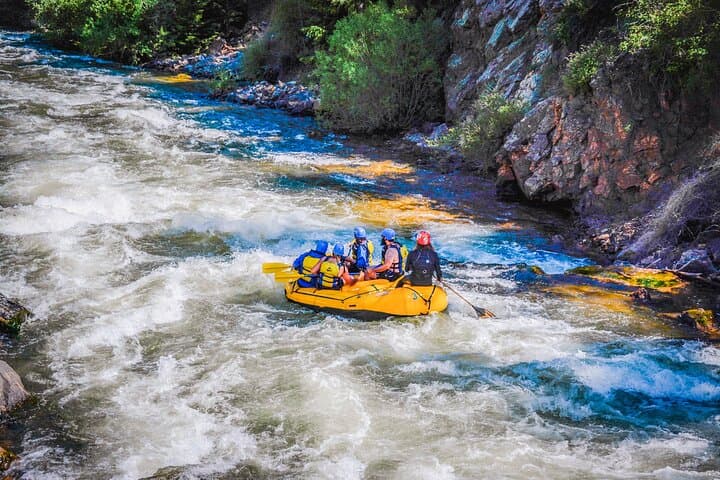
What the day feels like
You step onto the trailhead for the zipline with river-scented air—pine resin, hot rock, and the distant metallic hint of running water. The mountaintop course is threaded through a craggy, 43‑acre stretch of old Gold Camp property where pines and trembling aspens keep watch. From the cliff edges the Arkansas River threads the valley below like a restless ribbon, daring you twice in one day: first to launch from the trees into the high country, then to toss you into the carved, turbulent tongue called the Numbers.
The day is choreographed for momentum. Morning zips cut a bright, wind-pressed arc across the sky; you step down from a platform with the peaks of the Collegiate Range framing the backdrop. The line hums and the trees lean in. Lunch is short—the sort of hearty, easily digestible fuel that readies you for impact. Then the van drops you to the river put-in and you meet the Arkansas in earnest: a long, continuous expanse of whitewater where everything you do is measured against current and contour.
This combo tour—half the day on the cliffside ziplines and the afternoon on the Numbers section of the Arkansas River—packs high-adrenaline variety into a single, efficient outing. The zipline course is rooted in the local landscape: old mining-era parcels, granite outcrops and gullies where mountain storms sculpt new lines every season. The rafting leg is pure Colorado rivercraft; operators run the Numbers as one of the region’s most demanding half-day whitewater trips, with Class III–V rapids and a notorious steep ledge that drops into No. 5 rapid. It’s the kind of river that makes the current feel purposeful—the water actively negotiating the canyon as you hold on.
Buena Vista’s stretch of the Arkansas River has long been a gateway to Rocky Mountain recreation. The valley bears traces of 19th-century prospecting and the rail and stage routes that opened Colorado’s interior to visitors: trails follow old wagon roads, and some zipline platforms sit on ridgelines once prospected for gold. Geologically, you’re on the shoulders of the Sawatch Range; the river has carved through uplifted granite and schist, revealing layered time in the canyon walls and offering dramatic drop-offs that create the rapids commercial outfitters favor.
Culture here is straightforward and unpretentious: a working mountain town that orients itself to the outdoors. Locals talk about flows, seasons and soak time after a long day—usually at the hot springs down-valley. Operators emphasize stewardship; the river and the ridgeline are living infrastructure that requires care. That ethic is baked into the experience: guides brief teams on Leave No Trace river etiquette, the importance of staying strapped into lines and how to move through big water safely.
Practically speaking, this is not a passive day: the full program runs about seven hours (the tour lists a 420‑minute duration), and you need to meet basic physical thresholds. The trip requires participants to be at least 15 years old, to weigh between 50 and 250 pounds, and to be in good physical condition. Rafting on the Numbers means sustained paddling, active bracing and quick responses to guide commands; the zipline requires comfortable balance and the ability to step off platforms. Operators provide safety equipment—helmets, PFDs and harnesses—and experienced guides manage the technical logistics, but being fit enough to handle repeated bursts of exertion helps the day feel fun rather than arduous.
When to go: summer is the natural window. Snowmelt feeds the Arkansas, making the rapids bold and continuous from late spring into mid-summer; by high summer flows moderate but remain lively. Expect variable temperatures—mornings in the shade can be brisk; afternoons on the river will feel hot under sun and cool in spray. Bring layers and quick-dry fabrics, wear secure water shoes, and plan to hydrate often: altitude and exertion compound quickly.
For photographers and memory-makers, the day delivers contrasting frames: feathered aspen along zipline runs; low-angle river light catching spray at the lip of a drop; faces mid-laugh as you commit to a platform or lean into a wave. Guides will often position rafts for strong photo angles but leave room for safety—ask when it’s appropriate to take pictures, and carry a waterproof case or a small dry bag.
Book this for a compact, high-intensity taste of Colorado mountain adventure. It’s an efficient way to sample two wildly different vertical experiences in one day: the airy, solitary rush of zipping between cliffs and the communal, kinetic choreography of running continuous whitewater with a team of paddlers. At roughly from $194.37 per person and with instant confirmation offered, it’s accessible as a day-trip centerpiece for Buena Vista itineraries—whether you’re a multi-day backcountry planner or a weekend seeker looking to make every hour count.
If you go: arrive hydrated, ready to move, and prepared to leave the day’s dust at the riverbank. The Arkansas will demand respect but repay it with a bracing, immediate kind of joy. The mountain, meanwhile, will keep its quiet counsel; it will let you fly for a morning and then throw you into the current, both experiences reminding you that this valley is a place that rewards momentum and respect in equal measure.
Trail wisdom
Small choices, better day.
Hydrate for Altitude
Start hydrating the day before—Buena Vista sits at high elevation and exertion makes dehydration feel worse.
Secure Footwear
Wear shoes with good grip that can get wet—no open-toed sandals—and bring a dry pair for after the river.
Layer Smart
Mornings and zips can be cool; pack a lightweight insulating layer and a wind shell you can discard for rafting.
Listen to Your Guide
Guides control the safety rhythm—follow commands immediately, especially entering and exiting rapids or platforms.
Local knowledge
Read the place, not just the route.
Watch for native species including Mule deer, Bald eagle.
Keep an eye out for wildlife during the transition between areas and habitats. Respect distance guidelines.
Operators emphasize Leave No Trace river etiquette and collaborate with local stewardship groups to minimize shoreline impact; pack out all trash and avoid disturbing riparian habitats.
Follow the guide's instructions on size limits, ethical handling, and leave-no-trace practices.
Mount Princeton Hot Springs for a post-adventure soak. A short walk to riverside viewpoints for intimate photos of the Numbers
Locally recommended viewpoints and quiet spots known best to local operators.
The zipline property sits on old Gold Camp land; the Buena Vista valley was shaped by 19th-century prospecting and later developed into a recreation corridor along the Arkansas River.
Maritime roots and regional tradition shape the waterways and working coasts.
Seasonal guide
Four versions of the same landscape.
Spring
Best forHigh river flows · Dynamic rapids · Fewer crowds
ChallengesCold water temps · Variable weather · Possible muddy access roads
Late spring brings powerful snowmelt-driven flows that make the Numbers especially raw—better for strong paddlers and those seeking big water.
Summer
Best forReliable operations · Warm days · Full zipline access
ChallengesHigher visitation · Sun exposure · Variable afternoon storms
Summer is peak season for both ziplines and rafting—expect consistent schedules, warm air and lively rapids.
Fall
Best forCrisp air and color · Smaller crowds · Clearer skies
ChallengesLower river flows · Cooler temperatures · Shorter daylight
Early fall offers golden aspen and quieter runs; flows taper off so the experience is more technical than full‑throttle.
Winter
Best forOff‑season planning · Nearby winter sports
ChallengesZipline and rafting largely closed · Cold, snowy conditions · Limited services
Winter is the quiet season—this combo isn’t typically available, but the valley becomes a base for skiing and hot springs instead.
Pack with intention
What to bring.
Good to know
Common questions.
Minimum age is 15 years old; weight must be between 50 and 250 pounds.
Plan the edges
The details that make the day easier.
The Arkansas River through Buena Vista is one of Colorado’s most rafted rivers; the Numbers section is known locally for its continuous Class III–V rapids, including a steep ledge drop into No. 5 rapid.
After the day’s rush, head into Buena Vista for a cold local beer at Eddyline Brewery & Restaurant and a hearty plate of local fare; for a low-key recovery, drive a short distance to Mount Princeton Hot Springs for a soak while you let your muscles and the river calm down.
- Closest airport
- Colorado Springs Airport (COS) ~2 hours drive; Driving distance from Buena Vista center: typically under 30 minutes to meeting points; Cell service: intermittent in canyon sections; Permits
- passes
- none typically required—the outfitter manages permits and river access.
This experience runs through sensitive riparian and forested areas—pack out all trash, avoid single-use plastics, and follow guide instructions to minimize shoreline and wildlife disturbance.
Explore by topic
Follow the threads.
Keep exploring
Make the story part of the trip.
In four hours you can move from shaded canyon ferns to wind-scoured coastal ridgelines, guided by someone who knows where the light—and the hidden views—live. This private half-day hike on the Monterey Peninsula or Big Sur is compact, curated, and perfect for travelers who want depth without a multiday commitment.
 Related story
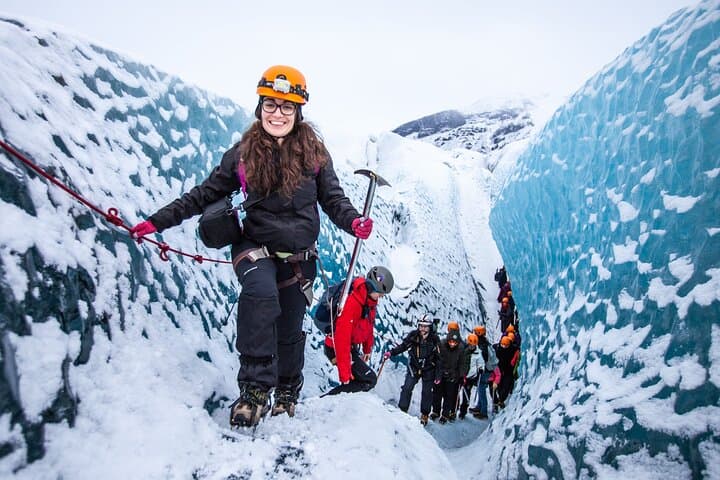
Beneath a sky of shifting light, Skaftafell’s ice reads like a map of time. This three-hour guided glacier hike mixes technical instruction with geology and culture: compact, safe, and unforgettable.
 Related story
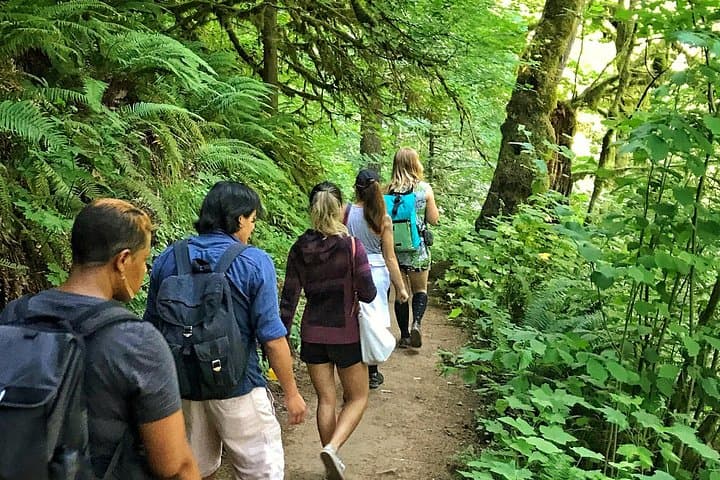
Lose the city for a few hours without leaving it: this 5-mile, 900-foot-gain Forest Park loop threads old-growth pockets, city viewpoints, and cultural landmarks for a compact taste of Portland’s wild side. Expect moss, roots, and stories.