
What the day feels like
Morning fog lifts off the canyon like a curtain as the first rafts ease into the rising current. The river has a voice here—deep, impatient, daring you forward—and for the next four to six hours you answer. Trees press close to the water, their roots laced into cliff faces, and every bend hints at the next big hit: Koontz’s Flume, Canyon Doors, Mash, Pure Screaming Hell. It’s a 13-mile stretch that asks little from your resume and a lot from your senses.
The Lower Gauley is both approachable and unapologetic. Unlike its notorious sibling, the Upper Gauley, this section trades relentless technicality for head-spinning variety: clean drops, punchy ledges, wave trains that spit spray in every direction. Because the river is dam-released, flows can be reliable and dramatic on run days, timing your descent with a rising pulse of water rather than hoping for a big rain. That makes the <a href="https://app.advcollective.com/local-experts/lower-gauley-full-day-raft-trip">Lower Gauley Full Day Trip</a> a favored pick for groups that want authentic whitewater without the extreme commitment of the Upper Gauley.
Geologically, the Gauley cuts through the folded sandstone and shale of the Appalachian Plateau. Over eons the river has carved tight canyons and exposed the raw ribs of the region, revealing cliff bands that make every rapid feel framed and cinematic. Those cliffs hold history: traces of early Appalachian settlers and the labor of communities that once logged and mined the hills. Today, the valley hums with a different economy—outdoor tourism and craft hospitality—and the rhythm of dam releases in late summer and fall marks the calendar for paddlers around the country.
Culture here is small-town Appalachian with a river-first attitude. Locals measure seasons by water and color—the Gauley’s fall foliage is a spectacle—and by the endless flow of stories about the big runs. After a day on the water you’ll warm up faster with a pepperoni roll and a beer in Summersville or Fayetteville than you will with idle talk: these towns are where you swap lines about the best eddy for a selfie and the fastest route through Canyon Doors.
Practicality matters out here. The trip covers roughly 13 miles of Class III–IV whitewater and runs 4–6 hours from the put-in to the takeout. Minimum age is 13; lunch is included on full-day trips; and you’ll check in at 115 Oscar White Rd., Lansing, WV. Outfitters supply the core safety gear—PFDs and helmets—and experienced guides read the river like a page. Bring a quick-dry layer beneath your PFD, river shoes with heel straps (sandals will do, but they must stay on), sunscreen, and a change of clothes for the drive home.
On the water, listen for instructions and keep your paddle ready. Rafting here is an exercise in controlled chaos: the raft surges, the guide calls commands, and the boat hums with coordinated effort. For beginners, the Lower Gauley is a welcoming education in how waves push and eddies hold. For veterans, it’s a playground of big, clean hits and run-after-run adrenaline. Either way, expect to get wet, laugh, and likely hoot at the same rapid twice—once on the approach and once in the debrief.
Timing your trip around release schedules amplifies the experience. The most dramatic days come when the dam opens and the river swells, transforming familiar lines into big-water plays. Fall adds another dimension: the canyon comes alive in oranges and reds, and cooler air makes the river’s spray feel sharp and restorative. Summer runs are warm and social; spring runs can be variable; winter trips are rare and require special arrangements.
Safety is straightforward if you respect the river. Stay with the guide, follow throw-bag protocol, and be honest about your swimming comfort. Hypothermia is less of a concern in late summer, but the river is always cooler than the air; quick-dry layers and a windbreaker can save an evening. Bring hydration—most outfitters include lunch, but the physicality of paddling and yelling calls for bottles in a dry bag.
If you go: arrive early, come ready to paddle and laugh, and leave extra time in your schedule for a beer or a pepperoni roll in town. The Lower Gauley delivers clean, cinematic whitewater and a canyon experience that feels both wild and well-worn—a perfect day for those who want the rush without the full-on pilgrimage of the Upper Gauley. Book through a reputable outfitter and you’ll come away with a few bruises, a big grin, and a new favorite rapid to argue about in the parking lot.
For direct bookings and to learn more about trip logistics, check the official listing for the <a href="https://app.advcollective.com/local-experts/lower-gauley-full-day-raft-trip">Lower Gauley Full Day Trip</a>—it’s the fastest way to sync your calendar with dam releases and secure a seat on a prime run day.
Trail wisdom
Small choices, better day.
Respect the Guide
Guides read the water—follow commands immediately to keep the raft stable and safe.
Wear Heel-Strap River Shoes
Sandals with straps or river shoes prevent lost footwear and give grip on wet rocks.
Hydrate Early
Bring a refillable bottle in a dry bag; paddling and sun will dehydrate you faster than you expect.
Layer for Changeable Temps
Quick-dry base layers plus a wind shell keep you comfortable during cool runs or breezy takeouts.
Local knowledge
Read the place, not just the route.
Watch for native species including Bald eagle, White-tailed deer.
Keep an eye out for wildlife during the transition between areas and habitats. Respect distance guidelines.
River flows are managed by dam operations and local conservation groups; stick to marked trails, pack out trash, and respect shoreline habitats.
Follow the guide's instructions on size limits, ethical handling, and leave-no-trace practices.
Quiet eddy pools near Canyon Doors for calm photos. Short viewpoints off the takeout road with panoramic canyon views
Locally recommended viewpoints and quiet spots known best to local operators.
The Gauley Valley was historically shaped by Appalachian logging and small mining communities; today the river drives tourism and local outdoor economies.
Maritime roots and regional tradition shape the waterways and working coasts.
Seasonal guide
Four versions of the same landscape.
Spring
Best forEarly-season runs · Fewer crowds
ChallengesVariable release schedules · Cooler water temps
Spring offers quieter rivers and early blooms, but expect cooler air and occasional schedule changes for dam releases.
Summer
Best forWarm weather rafting · Family-friendly trips
ChallengesHigher demand on weekends · Hot afternoons
Summer brings warm days and social runs; book ahead and use sun protection for the open water stretches.
Fall
Best forPeak foliage · Big dam releases
ChallengesCrowded prime dates · Chilly mornings
Fall is peak season—the colors and dam-driven flows combine for some of the most dramatic runs of the year.
Winter
Best forOff-season solitude · Special cold-water runs
ChallengesVery cold water · Limited commercial operations
Winter trips are rare and require specialist guides; expect cold conditions and fewer amenities at basecamp.
Pack with intention
What to bring.
Good to know
Common questions.
Minimum age is 13 for the full-day Lower Gauley trip.
Plan the edges
The details that make the day easier.
The Gauley River is dam-released from Summersville Lake, creating predictable high-flow 'run days' that attract paddlers from across the U.S.
After a run, drive to nearby Summersville or Fayetteville for comfort food and local brews; try a West Virginia pepperoni roll and swap notes with other rafters—the towns live on river stories.
- Closest major airport
- Yeager Airport (CRW) in Charleston, ~60–75 miles; Drive from Summersville: ~20 minutes (approx. 18 miles) to Lansing; Cell service: patchy in the canyon; Permits: none for commercial trips—book with a licensed outfitter.
This river is part of a managed dam-release system—pack out all trash, avoid disturbing shoreline vegetation, and support outfitters that follow Leave No Trace practices.
Explore by topic
Follow the threads.
Keep exploring
Make the story part of the trip.
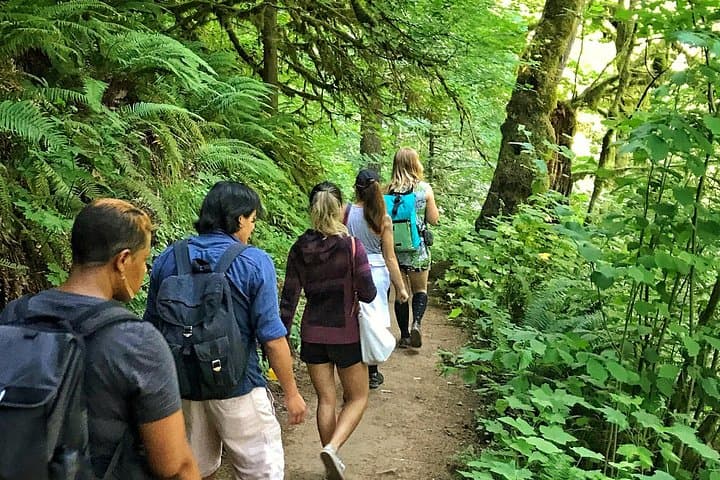
In four hours you can move from shaded canyon ferns to wind-scoured coastal ridgelines, guided by someone who knows where the light—and the hidden views—live. This private half-day hike on the Monterey Peninsula or Big Sur is compact, curated, and perfect for travelers who want depth without a multiday commitment.
 Related story
Beneath a sky of shifting light, Skaftafell’s ice reads like a map of time. This three-hour guided glacier hike mixes technical instruction with geology and culture: compact, safe, and unforgettable.
 Related story
Lose the city for a few hours without leaving it: this 5-mile, 900-foot-gain Forest Park loop threads old-growth pockets, city viewpoints, and cultural landmarks for a compact taste of Portland’s wild side. Expect moss, roots, and stories.