
What the day feels like
The river wastes no time introducing itself. It slides out of the granite ribs of the Sawatch Range and gathers its nerve as it drops toward Buena Vista, the current shouldering you forward with a playful shove. On The Fractions—this classic Arkansas River stretch between Railroad Bridge and the Buena Vista ballpark—the water speaks in quick sentences: a crisp wave train, a curling tongue, a sideways push that dares you to dig in. It’s the kind of whitewater that wins over first-timers and still coaxes grins out of old hands. You settle into the raft, hear the guide’s steady cadence, and feel the boat come alive under your feet.
The Fractions is a brisk, 1.5-hour run built for momentum. Rapids arrive in a steady rhythm: S-turn slides you around a granite shoulder, Frog Rock hums with current, and Little Seidel’s pops like a friendly jab. The river keeps time as the Collegiate Peaks stand guard to the west—Princeton, Yale, Harvard—snow-streaked in early summer, sunburnished by August. You’re moving, but the scene asks you to linger: swallows skim the surface, osprey circle high, and the scent of sun-warmed sage drifts from the banks.
If you’ve glanced at a Colorado road atlas, you’ve already met the Arkansas River. It rises in these headwaters north of Buena Vista, then carves south past Browns Canyon National Monument and into a long journey toward the Great Plains. This section—nicknamed The Fractions—owes its name to the old mining claim maps that divided the bank into fractional parcels during the railroad and ore boom. The Denver & Rio Grande’s narrow-gauge line once clung to these walls; you can still feel that industrial muscle in the stacked stone and the purposeful bends where tracks once ran. Today, the corridor is managed as the Arkansas Headwaters Recreation Area, a joint project that’s kept this river remarkably wild while channeling the energy of one of the most popular whitewater destinations in the country.
Geology writes the story here. The river ricochets off 1.7-billion-year-old granite, sculpts pockets and seams, and sorts gravel bars with spring snowmelt. In May and June, runoff puts a little swagger in the current, while by late July and August the channels sharpen and eddies grow friendlier for families with kids. The Arkansas is never mean; it’s lively. Class II–III rapids make sure you’re part of the action without overwhelming anyone who’s listening to the guide and paddling in sync.
Buena Vista—BV to locals—works as a base camp with range. It’s equal parts mountain town and river outpost, where guides swap beta over coffee and families share picnic tables in the South Main River Park. Before your trip, you’ll check in and sign the waiver, then shuttle to the put-in at Railroad Bridge. The put-in hums: helmets click closed, PFDs snug, paddles distributed. Your guide lays out the calls—forward, back, high side—and the boat slides into the green tongue like a kid running down a dock.
S-turn announces itself with a mischievous nudge. The river leans you into a graceful arc; your paddle digs, and the raft carves cleanly past a hump of rock that tests timing more than strength. Frog Rock comes next, a name that sticks in memory even as the guide threads a line through wave trains and pushy edges. Little Seidel’s offers a bright splash and a quick grin. At each drop, you can feel the boat’s personality: nimble, responsive, a bit of a show-off when you match your strokes. The Arkansas doesn’t just carry you; it makes you part of the choreography.
On calmer miles the valley opens. Bighorn sheep sometimes tiptoe along the slopes, and in the cottonwoods you might spot a heron standing as still as a parked bike. The water cools the air even on hot afternoons, and the sun’s reflection paints the canyon walls in fleeting, liquid light. Here you hear the river’s softer voice: a fizz around a boulder, a low drum under your feet, the whisper of breeze through willows.
Beyond the experience itself, The Fractions is a smart introduction to river travel. It’s short, scenic, and forgiving, but never dull. It’s where you learn the language of current without getting lost in the paragraphs. For families and first-time rafters, this is the sweet spot: substantial enough to feel like a real adventure, compact enough to keep the smiles uninterrupted. For a deeper pre-trip primer and local beta, see this <a href="https://app.advcollective.com/local-experts/the-fractions-rafting-buena-vista">The Fractions rafting Buena Vista guide</a>—it’s a concise way to understand flows, seasons, and what the rapids will ask of you.
Planning is straightforward. Spring and early summer bring bigger water and cooler temperatures; pack synthetic layers and trust the outfitter’s wetsuits if the breeze bites. By mid-summer, it’s T-shirt weather on shore and cool mountain water in the boat. Footwear matters—closed-toe river shoes or secure sandals—since rocks are slick at put-ins and take-outs. Sun is a constant companion at 8,000 feet; a brimmed hat under your helmet and a strong mineral sunscreen make a long day feel hospitable. Hydration is a habit here, not a suggestion.
After you slide into the BV ballpark take-out, the river keeps moving, content to carry other boats into the afternoon. You towel off, trade high-fives, and catch yourself watching the current like it’s an old friend walking away. That’s the mark of a good run: it leaves you lighter, steady, a little more fluent in the language of water. If you want more context and route specifics, bookmark the <a href="https://app.advcollective.com/local-experts/the-fractions-rafting-buena-vista">The Fractions rafting Buena Vista</a> overview for maps, seasonal notes, and local outfitter insights. Then go celebrate—because the Arkansas has just handed you the perfect first chapter.
Trail wisdom
Small choices, better day.
Dress For Cold Water, Not Air
Mountain water stays brisk even on hot days. Wear synthetic layers; ask for a wetsuit or splash top in spring and early summer.
Know Your Paddle Commands
Listen for forward, back, and high-side calls and respond together. Crisp, in-sync strokes make Class II–III rapids feel smooth and fun.
Secure Your Shades
Use a retainer strap for sunglasses and leave loose items in the shuttle. The river keeps what isn’t clipped in.
Aim For Morning Runs
Mornings often bring steadier winds, fewer afternoon storms, and better light on the Collegiate Peaks.
Local knowledge
Read the place, not just the route.
Watch for native species including Rocky Mountain bighorn sheep, Osprey and great blue heron.
Keep an eye out for wildlife during the transition between areas and habitats. Respect distance guidelines.
This stretch is part of the Arkansas Headwaters Recreation Area—pack out trash, respect private land along the banks, and avoid trampling riparian vegetation at put-ins and take-outs.
Follow the guide's instructions on size limits, ethical handling, and leave-no-trace practices.
Sunset eddy at BV Whitewater Park—watch kayakers surf the wave features. Barbara Whipple Trail overlook—quick hike for sweeping valley-and-river views
Locally recommended viewpoints and quiet spots known best to local operators.
The Fractions name traces to historic mining claim maps that divided this corridor into fractional parcels during the railroad and ore boom.
Maritime roots and regional tradition shape the waterways and working coasts.
Seasonal guide
Four versions of the same landscape.
Spring
Best forBigger wave trains · Cooler temps and fewer crowds
ChallengesCold water · Variable flows
May and early June deliver swift, splashy water and crisp air. Dress warm and expect a lively, rolling current.
Summer
Best forFamily trips · Consistent Class II–III fun
ChallengesStrong sun · Afternoon storms
Late June through August offers stable flows and warm days. It’s prime time for first-time rafters and kids.
Fall
Best forGolden cottonwoods · Mellower flows
ChallengesCool mornings · Shorter days
September brings clear light and fewer boats. Expect cooler starts and a more relaxed, technical read of the current.
Winter
Best forSolitude from shore · Scouting future runs
ChallengesCold conditions · Limited outfitter operations
This is shoulder season for rafting. Outfitters largely pause trips, but riverside walks offer quiet views of the corridor.
Pack with intention
What to bring.
Good to know
Common questions.
Ages 6 and up are typically welcome on this Class II–III section, with outfitter discretion based on flows and conditions.
Plan the edges
The details that make the day easier.
The Arkansas River flows roughly 1,469 miles from the Sawatch Range in Colorado to the Mississippi River, and its headwaters near Buena Vista power one of the most popular whitewater corridors in the United States.
Post-run, refuel at House Rock Kitchen for fresh, fast bowls and burgers. Grab a pint at Eddyline Brewery in South Main—try the CrankYanker IPA—and stroll the BV River Park to watch kayakers surf. For a mellow nightcap, Deerhammer Distilling pours small-batch whiskey on Main Street.
- Closest airports
- Colorado Springs (COS ~2 hours) and Denver (DEN ~2.5 hours). Put-in: Railroad Bridge; Take-out: BV ballpark
- river park (short shuttle from town). Drive time from central Buena Vista to put-in
- ~10–15 minutes. Cell service: Spotty in the canyon; reliable in town. Permits: Outfitters handle AHRA permits; private parking may require a day-use pass.
This river corridor is part of the Arkansas Headwaters Recreation Area—pack out everything, use established access points, and avoid disturbing shoreline nesting birds and bighorn lambing areas in spring.
Explore by topic
Follow the threads.
Keep exploring
Make the story part of the trip.
In four hours you can move from shaded canyon ferns to wind-scoured coastal ridgelines, guided by someone who knows where the light—and the hidden views—live. This private half-day hike on the Monterey Peninsula or Big Sur is compact, curated, and perfect for travelers who want depth without a multiday commitment.
 Related story
Beneath a sky of shifting light, Skaftafell’s ice reads like a map of time. This three-hour guided glacier hike mixes technical instruction with geology and culture: compact, safe, and unforgettable.
 Related story
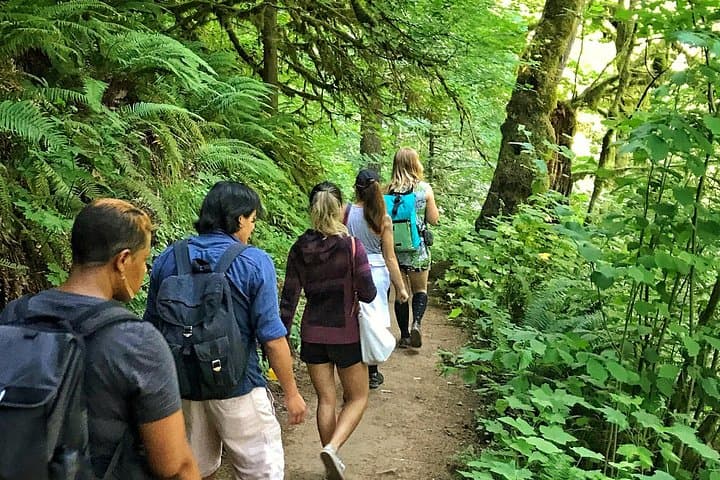
Lose the city for a few hours without leaving it: this 5-mile, 900-foot-gain Forest Park loop threads old-growth pockets, city viewpoints, and cultural landmarks for a compact taste of Portland’s wild side. Expect moss, roots, and stories.