
What the day feels like
Morning comes quick to the Arkansas River. The sun slips over the Collegiate Peaks and paints the water the color of new coins, and the current begins its daily negotiation with rocks, eddies, and the small flotilla assembling at the put-in. At the edge of Buena Vista, guides tighten PFDs, offer last-minute coaching on paddle strokes, and grin the kind of grin you only see from people who’ve figured out how to spend their workday outside. Then the duckies—those surprisingly sturdy inflatable kayaks—nose into the flow. The river gives a gentle tug, and just like that, you’re in the rhythm.
This is Big Bend: a friendly, splashy section of the Arkansas tailor-made for Class II to III fun. In a duckie, you’re the engine and the helm, the bow sliding where you point it as waves slap the inflatable tubes with a drummer’s insistence. You can feel the river’s personality—playful, but not careless—press against your blade and nudge you toward the next eddy line. It’s a half-day hit of whitewater without the white knuckles, a smart way to step beyond the raft and take the reins yourself.
The <a href="https://app.advcollective.com/local-experts/big-bend-half-day-duckie-trip">Big Bend Half Day Duckie Trip</a> keeps the stakes balanced: three hours on water that lets you practice quick pivots around boulders and thread meanders, then celebrate with wave trains that roll beneath the cottonwoods. You’ll follow a guide, which means fewer question marks and more time to play. The kayaks themselves are famously forgiving—unsinkable, really—thanks to multiple air chambers and a design that shrugs off the bumps and splashes rivers like to throw.
The setting is a corridor of Colorado outdoor culture. The Arkansas Headwaters slice through a valley shaped by ice and uplift, with 14,000-foot summits like Mt. Princeton standing sentinel above. Granite shoulders define the channel; spring snowmelt feeds the pulse. Long before river runners, Ute peoples moved through these valleys, following the seasons. Later, miners and the Denver & Rio Grande railroad clung to the riverbanks—the ghosts of those days still traceable in the old Midland line and cut-stone abutments you glimpse from the water. Downstream, Browns Canyon became a National Monument in 2015, a nod to the power of this very river to carve both landscape and identity.
Big Bend, though, isn’t about conquering anything. It’s about learning what the river wants. Your first minutes are quiet—a few ferry moves to understand how the current pulls and releases, how an eddy can be a soft-shouldered friend if you approach it cleanly. Then the river starts to talk. A tongue of smooth water aims you into standing waves that punch and laugh; a boulder garden suggests a careful Z-turn; sunlight dances across the surface like it’s pushing you forward. You’ll find yourself scanning ahead—reading lines, checking for horizon holes, staying on the guide’s tail—and discovering a kind of confidence only a river can teach.
It’s also refreshingly democratic. If you’re 14 or older, fit enough to paddle consistently and comfortable in water, you can do this. The outfitter sets you up with the essentials: PFD, helmet, and a duckie that’s stable but responsive. Dress smart—skip cotton, aim for quick-dry layers—and make a reservation that fits the day’s temperature. If the air is crisp, rent a wetsuit, booties, and a splash top for an affordable layer of insurance. Check in 30 minutes early, breathe, and let the guide’s briefing give you permission to relax.
Despite the easy access, this is still big country. The Collegiate Peaks frame every bend. Swallows stitch patterns above the current; ospreys perform improbable dives. Bighorn sheep sometimes appear on the cliffs like punctuation marks. The weather keeps its own calendar: sunny mornings can turn to thunderheads by late afternoon. The river doesn’t shout about any of it, but it does keep you honest. Eyes up. Hydrated. Sunscreen re-applied. A little humility goes a long way.
In a half day, you’ll get the whole story arc: the first tentative strokes, the mid-river grin when a wave catches the bow just right, the second-nature sweep that settles you behind a rock to regroup. The landscape keeps changing—cottonwood shade, sandy bars, slanted light off smooth slabs—and your paddling evolves with it. If you came to see what inflatable kayaking is all about, this run delivers the highlight reel.
Logistics are as straightforward as the river is serpentine. Trips launch from the Buena Vista outpost, convenient to town and only a short drive from fuel-on-the-go breakfasts and after-river tacos. The season runs spring through fall; summer is prime for warm air and classic flows. Book ahead in peak months, and if you’re planning a multi-activity day, consider pairing your paddle with a stroll through Buena Vista’s South Main River Park or an evening soak at Mount Princeton Hot Springs. And if you want to dive deeper into the hows and whys of duckie paddling, the outfitter’s guides are pros at turning first-timers into confident captains.
Ready to trade the raft bench for your own set of tubes? The <a href="https://app.advcollective.com/local-experts/big-bend-half-day-duckie-trip">guided duckie tour in Buena Vista</a> is the move. It’s river time that stays in your bones—clean water, honest effort, clear lessons in reading flow—and it’s an invitation to come back when you’re ready for more. The Arkansas has a way of turning a half day into a habit.
For more details, gear recommendations, and seasonal updates, check availability on the <a href="https://app.advcollective.com/local-experts/big-bend-half-day-duckie-trip">Big Bend Half Day Duckie Trip page</a> before you go.
Trail wisdom
Small choices, better day.
Master the ferry angle
Keep a slight downstream angle when crossing the current and use steady strokes—small adjustments prevent big corrections.
Dress to swim, not to impress
Skip cotton; choose quick-dry layers or rent a wetsuit and splash top if temps dip. Neoprene booties keep toes warm.
Sun is relentless at altitude
A brimmed hat under your helmet, SPF 30+, and lip balm shield you from high-elevation rays reflecting off the water.
Hydrate early and often
Drink water before launching and pack a small bottle in a secured pouch; altitude and exertion add up fast.
Local knowledge
Read the place, not just the route.
Watch for native species including Rocky Mountain bighorn sheep, Osprey.
Keep an eye out for wildlife during the transition between areas and habitats. Respect distance guidelines.
This river is managed by the Arkansas Headwaters Recreation Area (CPW/BLM). Practice Leave No Trace, respect wildlife closures, and pack out everything you bring.
Follow the guide's instructions on size limits, ethical handling, and leave-no-trace practices.
CR 371 Midland Tunnels drive for golden-hour cliffs above the Arkansas. Browns Canyon National Monument overlook via CR 300 for a quiet sunset view
Locally recommended viewpoints and quiet spots known best to local operators.
The Arkansas River corridor once carried the Denver & Rio Grande and Midland railroads through a landscape first traveled by Ute peoples; mining booms cemented Buena Vista’s river town DNA.
Maritime roots and regional tradition shape the waterways and working coasts.
Seasonal guide
Four versions of the same landscape.
Spring
Best forCool temps · Higher flows
ChallengesCold water · Variable weather
Runoff season brings lively current and cold water. Dress warmer, and expect breezy afternoons and quick-changing skies.
Summer
Best forWarm air temps · Consistent flows
ChallengesAfternoon thunderstorms · Crowds
Prime time for beginner-friendly waves and sunny days. Mornings are calmer; watch for storms after 2 p.m.
Fall
Best forAspen color · Mild crowds
ChallengesLower flows · Cool mornings
Quieter banks and golden cottonwoods set the tone. Flows ease back; bring extra layers for crisp starts.
Winter
Best forSolitude · Hot springs pairing
ChallengesVery cold water · Limited or no operations
Most outfitters pause for the season; conditions are harsh. If you’re in town, opt for scenic walks and hot springs.
Pack with intention
What to bring.
Good to know
Common questions.
No. This is a beginner-friendly Class II–III section, and you’ll follow a guide who coaches strokes and lines along the way.
Plan the edges
The details that make the day easier.
Browns Canyon, just downstream of Buena Vista, was designated a National Monument in 2015, protecting 21,586 acres of granite canyons and Arkansas River habitat.
Post-paddle, grab wood-fired pies and a cold Kölsch at Eddyline Brewery in South Main, or refuel with farm-to-table bowls at House Rock Kitchen downtown. If you want to extend the relaxation, soak at Mount Princeton Hot Springs and watch the Arkansas glide by while the peaks hold the last light.
- Closest airports
- Colorado Springs (COS ~2.5 hours) and Denver (DEN ~3 hours). Meeting point: KODI Rafting – Arkansas River Outpost, 15620 Bear, Buena Vista, CO 81211. The outpost is about 10 minutes from downtown Buena Vista. Cell service can be spotty along the river; download directions ahead. Permits are covered by the outfitter; guests only need to check in 30 minutes early and sign waivers.
You’re paddling a corridor co-managed for recreation and habitat. Stay off fragile riverbanks, secure all trash, and use reusable water bottles to minimize single-use waste in the watershed.
Explore by topic
Follow the threads.
Keep exploring
Make the story part of the trip.
In four hours you can move from shaded canyon ferns to wind-scoured coastal ridgelines, guided by someone who knows where the light—and the hidden views—live. This private half-day hike on the Monterey Peninsula or Big Sur is compact, curated, and perfect for travelers who want depth without a multiday commitment.
 Related story
Beneath a sky of shifting light, Skaftafell’s ice reads like a map of time. This three-hour guided glacier hike mixes technical instruction with geology and culture: compact, safe, and unforgettable.
 Related story
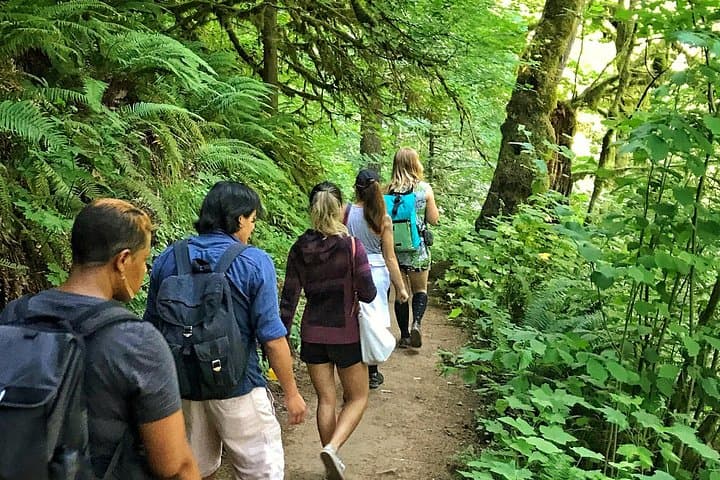
Lose the city for a few hours without leaving it: this 5-mile, 900-foot-gain Forest Park loop threads old-growth pockets, city viewpoints, and cultural landmarks for a compact taste of Portland’s wild side. Expect moss, roots, and stories.