
What the day feels like
The Arkansas River wakes before the valley does. It chatters against granite, tugs at eddies, and dares you to climb aboard. Morning light spills off the Collegiate Peaks—Mt. Princeton glowing to the south—while guides slide rafts into the current near Buena Vista. Helmets click, paddles flash, and a cool alpine breeze rolls off the water like an invitation. Browns Canyon is ahead, a tightening corridor of pink granite and juniper where the river shows its personality: playful in the riffles, insistent in the rapids, then unexpectedly contemplative in quiet pools.
If you want a quintessential Colorado day, this is it: a run through Browns Canyon National Monument and a long, slow soak at Mt. Princeton Hot Springs. The combined experience—bookable through our local experts here: <a href="https://app.advcollective.com/local-experts/browns-canyon-raft-hot-springs">Browns Canyon Raft + Hot Springs</a>—feels like a door into the state’s DNA: snowmelt turned into momentum, granite turned into guardians, geothermal water turned into relief.
From the first stroke, the river makes the rules. Class III rapids stack up with names that sound like dares. Zoom Flume slides you into a tongue of green before the current shoulders you through standing waves. The Staircase steps you down in rhythmic beats. Widowmaker demands clean lines and team timing. You can hear the canyon before you see it—the echo of rushing water and the whistle of ospreys riding thermals above. Between rapids the world softens: pine resin rides the air, bighorn sheep step to the rim, and swallows write calligraphy along the cliffs. The river pushes the story forward; you just add the exclamation points.
Browns Canyon earned its National Monument status in 2015, protecting more than 21,000 acres of rugged granitic landscape sliced by the Arkansas. Long before rafters deciphered the river’s moods, the Ute people moved seasonally through this valley, reading water and weather like a map. Later, miners and railroad crews carved their own routes; you can still spot ghost traces of the Denver & Rio Grande line above certain bends. Geology here is outspoken: billion-year-old granite intrusions polished by ice and flood, desert-leaning piñon and juniper mixing with high-country spruce—a place where two ecosystems meet and shake hands.
There’s a practical poetry to how the day unfolds. The outfitter’s safety talk weaves in commands you’ll use all day—forward two, back one, high side—as well as insider notes about reading water. The included wetsuit package (wetsuit, splash jacket, and river shoes) keeps the chills honest when snowmelt still bites. And because elevation hovers around 7,900 feet, the air stays crisp even when the sun goes to work. Rafting here rewards attention: tighten your chin strap, keep the T-grip on your paddle, and drink water even if you don’t feel thirsty. Colorado sun doesn’t negotiate.
Midday, you pull ashore to the scent of burgers on the grill. The Riverside Beer Garden is exactly what it sounds like—river music, simple food, and a chance to trade rapid-by-rapid highlights. Somewhere in that retelling you realize how cooperative this river is: the way a well-timed draw stroke sets the boat, the way your crew links moves, the way a guide’s quiet voice cuts cleanly through the noise. Browns Canyon asks you to be present, and you answer.
Then the tone shifts. After the take-out, you point toward Mt. Princeton Hot Springs Resort, about 15 minutes south. The road rises along Chalk Creek and those namesake cliffs—streaked white with talc—loom like frozen waves. At the resort, you step down into heat that seems to hum up from the center of the earth. Pools range from warm to very warm, and the creekside spots let you mix hot spring water with cool creek for your just-right temperature. Muscles unclench. Voices drop. You feel the day settle into your bones. The currents that pushed you all morning now let you be weightless.
Hot springs here are part geology, part ritual. Mineral-rich water climbs from deep faults and vents in the Sawatch Range, feeding pools that have lured travelers for more than a century. Today, the soak is a reset button: a reward for paddling clean lines, a chance to linger with valley views and consider dinner in Buena Vista or Salida. If you’re plotting future outings, talk to the crew or check in with our <a href="https://app.advcollective.com/local-experts/browns-canyon-raft-hot-springs">local experts</a> about water levels and rapids—flows change with the snowpack and the season, and that dynamic is part of the fun.
Practicalities matter as much as stoke. Trips typically launch at 9 a.m.; check in 45 minutes early at the Buena Vista outpost. Bring a swimsuit, quick-dry layers, sunglasses with a strap, and sunscreen, plus dry clothes and a towel for the hot springs. Wetsuits and river shoes are included. Kids 7 and older are welcome when conditions align; on higher-flow days, age minimums may rise. The day runs about eight hours, buoyed by a hearty lunch between the splash and the soak. And while no permits are needed for you—the outfitter handles access—respect the monument by packing out every wrapper and giving wildlife the room it demands.
By late afternoon, the Arkansas lowers its voice. Shadows lengthen across the canyon. The river continues downstream to other runs, other crews, other stories. You, meanwhile, float between hot and cold in a pool below Mt. Princeton, the Collegiate Peaks standing watch. This is Colorado at its most distilled—movement and stillness, grit and comfort—and it’s all in one day. When you’re ready to step in, start here: <a href="https://app.advcollective.com/local-experts/browns-canyon-raft-hot-springs">Browns Canyon Raft + Hot Springs</a>.
Trail wisdom
Small choices, better day.
Hydrate at Altitude
At nearly 8,000 feet, you’ll dehydrate faster—drink water before, during, and after the run.
Strap Your Shades
Use a retainer to keep sunglasses secure in the rapids; lost glasses are common in Zoom Flume.
Listen for Commands
Your guide’s calls cut through the noise—quick responses make lines through The Staircase feel effortless.
Sun First, Then Soak
Apply broad-spectrum sunscreen before rafting and reapply before the hot springs; alpine sun reflects off water and rock.
Local knowledge
Read the place, not just the route.
Watch for native species including Rocky Mountain bighorn sheep, Osprey and occasional bald eagles.
Keep an eye out for wildlife during the transition between areas and habitats. Respect distance guidelines.
This corridor is co-managed by the BLM and USFS. Use river-safe sunscreen, pack out all trash, and give wildlife wide clearance—especially during spring lambing and nesting seasons.
Follow the guide's instructions on size limits, ethical handling, and leave-no-trace practices.
Chalk Cliffs overlook pullouts along County Road 162 for sunset after your soak. Early-morning wildlife spotting near Hecla Junction—watch for bighorn sheep on the canyon walls
Locally recommended viewpoints and quiet spots known best to local operators.
Designated a National Monument in 2015, Browns Canyon protects an iconic stretch of the Arkansas River corridor long traveled by the Ute and later by miners and the Denver & Rio Grande Railroad.
Maritime roots and regional tradition shape the waterways and working coasts.
Seasonal guide
Four versions of the same landscape.
Spring
Best forLower crowds · Snowmelt-powered flows
ChallengesCold water · Variable weather and higher flows late spring
May and early June bring chilly, fast water and crisp air—great for adventure seekers comfortable with splashy conditions.
Summer
Best forConsistent Class III fun · Warm days and long light
ChallengesMidday heat · Busier river corridor
June through August is prime time with friendly but exciting rapids and ideal post-run soaks at Mt. Princeton.
Fall
Best forGolden cottonwoods · Cooler temps and mellow flows
ChallengesLower water can expose rocks · Shorter days
September and early October ease into shoulder season—quieter trips, crisp mornings, and scenic color along the canyon.
Winter
Best forHot springs soaks · Snowy mountain views
ChallengesRafting operations are typically paused · Cold temps and road conditions
Rafting usually shuts down until spring, but Mt. Princeton Hot Springs remains a relaxing, snow-draped retreat.
Pack with intention
What to bring.
Good to know
Common questions.
Browns Canyon is primarily Class III whitewater—splashy, technical, and suitable for adventurous beginners and families with guidance.
Plan the edges
The details that make the day easier.
Browns Canyon became a National Monument in 2015, safeguarding over 21,000 acres of granite cliffs and Arkansas River whitewater—part of one of the most commercially rafted river systems in the United States.
After your soak, refuel at Eddyline Brewery in Buena Vista for wood-fired pizzas and local ales, or try Simple Eatery for fresh-made breads and hearty salads. In Salida, Moonlight Pizza is a post-river staple. If you’re lingering, stroll Buena Vista’s South Main for riverfront views and a laid-back mountain vibe.
- Closest airports
- Colorado Springs (2–2.5 hours) and Denver (2.5–3 hours). Departure: Buena Vista Rafting Outpost at 9:00 a.m.; arrive 45 minutes early. Drive time to Mt. Princeton Hot Springs: ~15–20 minutes. Cell service: reliable in town, limited in the canyon. Permits: none required for guests—commercial access handled by the outfitter.
Browns Canyon National Monument protects critical riparian habitat—pack out all trash, avoid trampling riverbanks at lunch stops, and use mineral-based, river-safe sunscreen to reduce impacts on aquatic life.
Explore by topic
Follow the threads.
Keep exploring
Make the story part of the trip.
In four hours you can move from shaded canyon ferns to wind-scoured coastal ridgelines, guided by someone who knows where the light—and the hidden views—live. This private half-day hike on the Monterey Peninsula or Big Sur is compact, curated, and perfect for travelers who want depth without a multiday commitment.
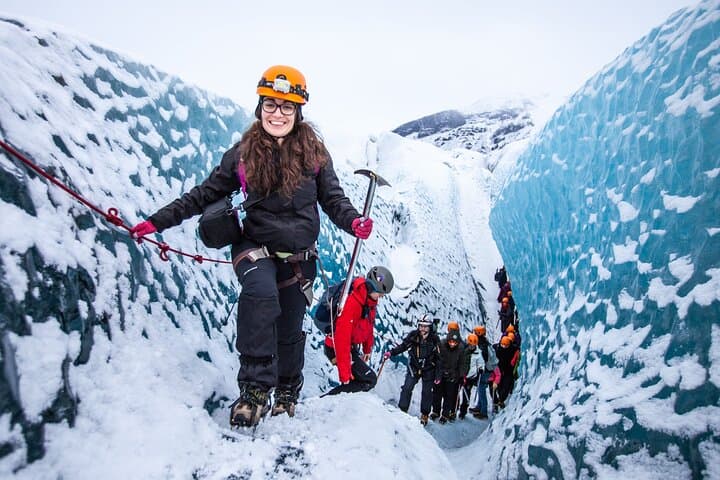 Related story
Beneath a sky of shifting light, Skaftafell’s ice reads like a map of time. This three-hour guided glacier hike mixes technical instruction with geology and culture: compact, safe, and unforgettable.
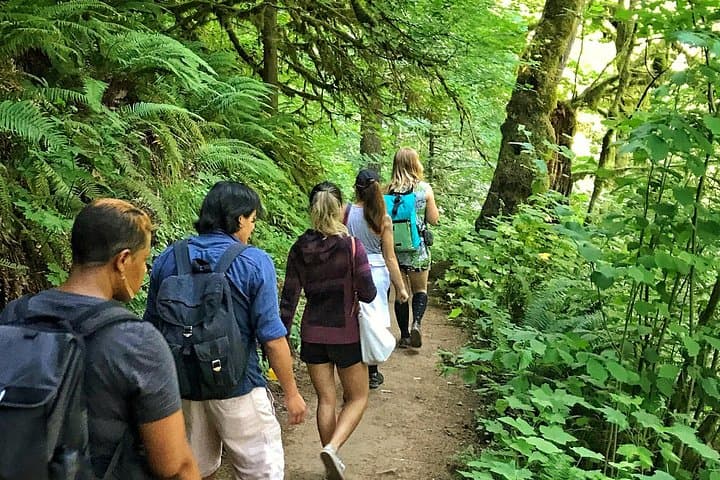 Related story
Lose the city for a few hours without leaving it: this 5-mile, 900-foot-gain Forest Park loop threads old-growth pockets, city viewpoints, and cultural landmarks for a compact taste of Portland’s wild side. Expect moss, roots, and stories.