
What the day feels like
By early afternoon on Bar Harbor’s town pier, the wind has made up its mind. Pennants snap, gulls heckle, and Frenchman Bay flashes silver as the tide hustles past the Porcupine Islands. A crew member coils lines with easy rhythm while the schooner rocks at her mooring, patient and poised. Step aboard and the deck answers with a low creak, a promise more than a noise. When the captain calls for sail, canvas climbs and unfurls; the breeze catches and suddenly the boat leans into the day, shouldering into the bay like it’s been waiting for this hour all morning.
The afternoon sail on Frenchman Bay is where the coast of Maine comes alive—cleaner light, steadier wind, and the lovely illusion that time is paddling to keep up with you. On this 1.5 to 2-hour outing, the crew threads the schooner between the Porcupine Islands, those spruce-topped humps that seem to slide and rearrange themselves as you pass. Their shapes aren’t an accident: glaciers carved and combed this coastline, leaving behind granite ledges and glacially streamlined islands that steer currents and concentrate wildlife. Cadillac Mountain rises beyond like a quiet sentinel, its pink granite catching the sun, keeping its counsel while you cruise beneath.
This is a classic coastal experience, but not a stiff one. The crew toggles between seamanship and storytelling, pointing out eagles posted on snags, the quick exhale of a harbor porpoise, a seal’s slick head threading the tide like a bobber. Between lines and landmarks, you’ll hear about Wabanaki homelands, French explorers, and the rusticator era when artists and summer people came seeking the same cool breezes you feel now. In a place built by the sea, schooners were once the trucks and highways of Maine—hauling granite, lumber, and life along this ragged edge. Today’s windjammers keep that muscle memory alive. Choose a spot by the rail and you can watch the rigging sing while the bay writes its story in riffles and tide seams.
If you’re planning your visit, the afternoon run is calibrated for exactly this: more wind, more motion, more of that honest work from the sails. It’s family-friendly and pet-friendly, and you’re welcome to bring a picnic. Pack binoculars; they turn the bay into a living field guide. For the most direct details and booking options, check the operator’s page for the <a href="https://app.advcollective.com/local-experts/schooner-afternoon-sail-bar-harbor">Schooner Afternoon Sail</a>. Trips run daily at 2:00 p.m. from mid-May through October, with straightforward pricing (adults from $49) and an emphasis on the simple pleasures of wind, water, and clean horizon.
Frenchman Bay itself offers a master class in coastal geology. Look at the ledges: pink and gray granite, polished and fractured by ice. The Porcupines—Sheep, Burnt, Long, and Bald—sit like a constellation, each shaping the breeze as you pass. The bay’s name nods to early French explorers, but its stories run deeper. The Wabanaki paddled these waters for millennia, following fish runs and seasons, attentive to the same tides pushing at your hull. Centuries later, Bar Harbor’s Gilded Age unfurled here, then reshaped again by the great fire of 1947. From the deck, it all compresses into a panoramic timeline—one sweep of coast that holds more history than fits on a plaque.
Sailing puts you in the conversation. The wind takes a side and so does the schooner, and the bay answers with texture—small chop outside the islands, slick calm in their lee. The current nudges you through eddies that feel like a subtle handshake from the sea. Nature isn’t passive out here; it asserts itself. The breeze dares the canvas to fill; the tide insists on its schedule; the sky edits the palette by the minute.
While this is a relaxed outing, make no mistake: Maine’s weather still does its own thing. A light fleece and windbreaker are smart even on a warm day. Non-slip shoes beat flip-flops. Sunglasses, sunscreen, and a hat make the afternoon kinder. A small dry bag keeps your phone and camera safe from the occasional spray. And if you’re prone to seasickness, take precautions—good hydration, a light snack, and, if you need it, medication taken ahead of time. The crew is friendly and professional, and they want you focused on the fun, not your stomach.
Photographers, the afternoon angle is your friend. The sails glow when backlit; the islands stack in layered blues as you look toward the open bay. A polarizing filter cuts glare and pulls depth from the water. Keep an eye on the crosstrees when the crew trims sail; it’s the dance of the day. Wildlife sightings aren’t guaranteed, but they’re common. If the captain calls out an eagle, use your binoculars first to find it, then switch to your camera; you’ll frame faster and shoot cleaner.
And when the schooner glides back toward the town pier, the shoreline reassembles itself—church spires, cedar shingles, the green rise of Acadia gathering at your back. It’s hard not to want one more loop, one more tack. If you’re still weighing your options, explore dates and availability for the <a href="https://app.advcollective.com/local-experts/schooner-afternoon-sail-bar-harbor">Bar Harbor schooner cruise</a> and read up on what to bring. If you’re already booked, arrive early, stroll the waterfront, and let the bay set the pace of your afternoon.
Because that’s the real gift here: a couple of hours that feel elemental. Nothing between you and the coast but wood, canvas, and wind—an honest measure of Maine in motion. When the gangway drops and your feet step back onto the pier, the town seems a little louder, the day a touch brighter, and the memory of the sails keeps moving, even after you’ve stopped. To plan your own classic coastal Maine outing, start with the <a href="https://app.advcollective.com/local-experts/schooner-afternoon-sail-bar-harbor">Schooner Afternoon Sail in Bar Harbor</a> and let the afternoon wind do the rest.
Trail wisdom
Small choices, better day.
Dress in layers
Even warm days turn breezy on the bay—pack a light fleece and windbreaker.
Arrive 20 minutes early
Give yourself time for parking, finding the pier, and snagging your preferred spot along the rail.
Pack binoculars
From eagles to harbor porpoises, magnification turns quick sightings into memorable ones.
Mind your footing
Decks can be damp; wear closed-toe, non-slip shoes for stability as the boat heels under sail.
Local knowledge
Read the place, not just the route.
Watch for native species including Bald eagle, Harbor porpoise.
Keep an eye out for wildlife during the transition between areas and habitats. Respect distance guidelines.
Some Porcupine Islands host nesting seabirds—keep a respectful distance and never feed wildlife. Pack out all trash and avoid single-use plastics on board.
Follow the guide's instructions on size limits, ethical handling, and leave-no-trace practices.
Walk the Bar Island sandbar at low tide for harbor views—watch the tide table so you don’t get stranded.. Stroll the short Compass Harbor Trail for a quiet, piney taste of Acadia minutes from town.
Locally recommended viewpoints and quiet spots known best to local operators.
Frenchman Bay sits within Wabanaki homelands and later lured 19th-century ‘rusticators’ whose summer colonies helped shape Bar Harbor’s identity.
Maritime roots and regional tradition shape the waterways and working coasts.
Seasonal guide
Four versions of the same landscape.
Spring
Best forBrisk sailing · Fewer crowds
ChallengesCold wind · Unpredictable showers
May and early June bring clean, lively breezes and light traffic on the water. Expect cool temps—layers are a must.
Summer
Best forSteady afternoon wind · Wildlife viewing
ChallengesBusy harbor · Strong sun
July and August deliver the most reliable afternoon breeze and long days. Book ahead and wear sun protection.
Fall
Best forCrisp visibility · Colorful shorelines
ChallengesCooler temperatures · Occasional gusts
September and October offer sharp light, calm crowds, and vivid foliage along Acadia’s shores—bring a warm layer.
Winter
Best forShoreline walks · Storm watching from land
ChallengesTrips not operating · Frigid conditions
Sails pause for the season. Enjoy coastal views from shore and plan for spring.
Pack with intention
What to bring.
Good to know
Common questions.
Sails typically depart from the Bar Harbor town pier on Frenchman Bay; arrive early to allow time for parking and check-in.
Plan the edges
The details that make the day easier.
Frenchman Bay’s Porcupine Islands were shaped by glacial activity during the last Ice Age, leaving streamlined hills of granite and till that align with the direction of ice flow.
After your sail, grab a lobster roll at Side Street Cafe or wood-fired seafood at Havana. Sample small-batch scoops at Mount Desert Island Ice Cream, then toast the day with a flight at Atlantic Brewing Company. If you’re still restless, a sunset stroll along the Shore Path pairs perfectly with lingering sea breeze.
- Closest airports
- Hancock County–Bar Harbor (BHB, ~12 miles) and Bangor International (BGR, ~50 miles). Pier: Bar Harbor town pier on Frenchman Bay. Driving: 5–10 minutes from most in-town lodging; 1 hour from Bangor. Cell: Generally good near shore, can be spotty on the water. Permits: None required for the sail; bring a credit card or mobile pay for parking.
Sail power is low-impact. Help keep it that way: pack out trash, skip single-use plastics, and observe wildlife respectfully. Frenchman Bay’s island habitats are sensitive—view from the water and avoid landing on protected shores.
Explore by topic
Follow the threads.
Keep exploring
Make the story part of the trip.
In four hours you can move from shaded canyon ferns to wind-scoured coastal ridgelines, guided by someone who knows where the light—and the hidden views—live. This private half-day hike on the Monterey Peninsula or Big Sur is compact, curated, and perfect for travelers who want depth without a multiday commitment.
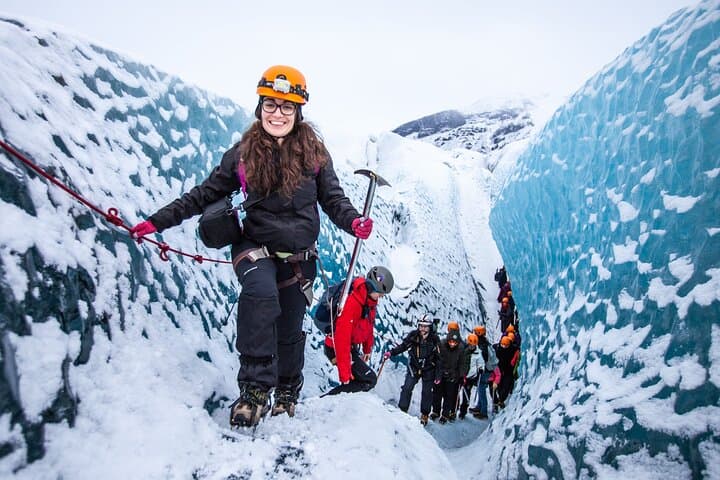 Related story
Beneath a sky of shifting light, Skaftafell’s ice reads like a map of time. This three-hour guided glacier hike mixes technical instruction with geology and culture: compact, safe, and unforgettable.
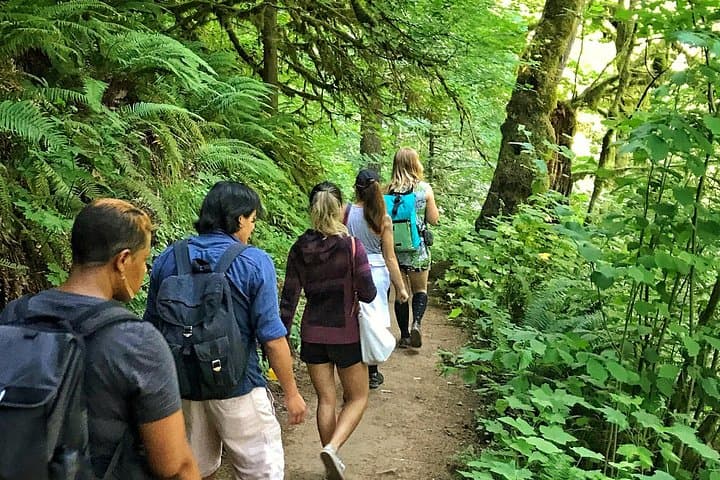 Related story
Lose the city for a few hours without leaving it: this 5-mile, 900-foot-gain Forest Park loop threads old-growth pockets, city viewpoints, and cultural landmarks for a compact taste of Portland’s wild side. Expect moss, roots, and stories.