
What the day feels like
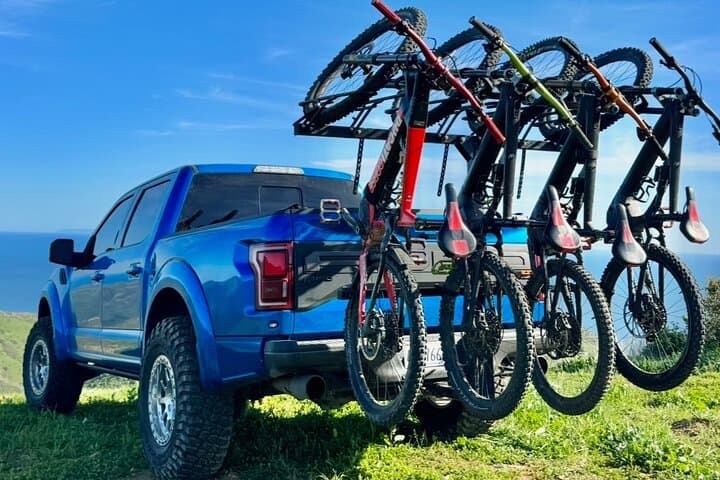
The Ford Raptor starts like a promise: low, throaty, a machine that seems to understand that some places should be reached with a little force. You step in and the city noise of Los Angeles dwindles to a soundtrack of wind and tires. Within minutes the pavement gives way to canyon dust, and the air sharpens with salt — the Pacific is a thin, blue hinge on the edge of the world. This is the rhythm of the Malibu VIP Multi-Adventure: a private, off-road drive that stitches together coastal panoramas, scrubby ridgelines, and tucked-away pockets of nature, punctuated by a local wine tasting and stops that feel, for a few hours, like you have the Malibu coast to yourself.
The experience reads like a short-course in Southern California geography. You climb through the Santa Monica Mountains — a coastal range formed by tectonic push and marine erosion — where chaparral hugs ridgelines and sandstone outcrops shine like old bones in the sun. The route favors viewpoints: one moment you're threaded between oak and sycamore in a canyon that smells of eucalyptus and dry earth; the next you’re cresting a public overlook and the ocean opens, a broad, moving field that puts scale to the day.
History moves through these places in quieter ways. The Chumash people made seasonal camps along these coasts for thousands of years; their village names survive in the region’s placenames. In the 1800s Spanish and Mexican ranchos parceled the landscape into grazing lands, and later the road to Malibu carved a new way to reach the shore. Today, private access on a guided excursion is the closest many visitors get to the backroads once used by ranchers and fishermen.
What this tour does well is balance the dramatic with the practical. It’s not a pure adrenaline rush, nor is it a passive drive-by. Expect short walks from vehicle to viewpoint, the occasional rocky stretch that will jostle your knees, and a steady parade of photo ops — cliffs, coastal terraces, and scrubby native plants that hum with the movement of lizards and insects. Wildlife shows itself if you’re patient: mule deer pause at ridgeline edges; hawks ride thermals over canyons; offshore, sea lions and pelicans mark where ocean life concentrates.
There’s also a deliberate cultural stop: a tasting that highlights Malibu’s small-batch producers. The region’s wine story is compact but sincere — dry, breezy whites and restrained reds that pair well with salt air and a picnic. The guide brings context: talk of recent stewardship efforts to restore native plantings, the cycle of fire and regrowth that shapes the landscape, and why certain overlooks are held back from general access.
Practicalities matter. The adventure runs about 4–5 hours (roughly 240–300 minutes), which is enough time to leave the tourist corridor behind without committing a full day. The price starts from about $249 per vehicle (as a private experience), and the booking is instant with free cancellation — useful if the afternoon fills with marine layer or a red-flag fire day. Because this is an off-road, private run with exclusive stops, expect fewer crowds but also limited facilities: bring water, a layered jacket, sun protection, and a camera with a wide lens for the vistas.
For timing, late morning or golden hour drives have different strengths. Morning light lifts the sea mists and cools the air; late afternoon gilds the cliffs and makes for richer photos. If you’re chasing wildlife, dawn or dusk increase sightings but also lower temperatures and can make the drive dustier. Cell service is patchy in some canyons; use it for navigation and reservations beforehand, not as a guarantee you’ll have coverage during the trip.
The ride’s terrain is honest: steep, well-graded dirt tracks, occasional rock steps, and scenic switchbacks. Guides are experienced with both the vehicle and local land-use rules, which matters: many of these access points are sensitive habitats where off-trail travel or careless driving does real harm. The most memorable moments aren’t the fastest; they’re when the vehicle stops and you walk a short way to a bluff where the ocean seems to tilt toward you.
This is an accessible adventure for people with moderate mobility. You don’t need technical hiking skills, but you should be comfortable getting in and out of a high-clearance truck and walking short rocky stretches. For families, it’s an efficient way to see a lot of Malibu without a long hike. For repeat Malibu visitors or Southern California locals, it’s a reminder that the coastline is not only about beaches — there’s a backcountry personality here that rewards curiosity.
If you go: book early to lock in a preferred time, check weather and fire advisories, and treat the day as part coastal tour, part nature stop. Support the local tasting you visit: these are small producers and often benefit from direct patronage. Leave no trace: the places you see are fragile, and the best souvenir is the memory, not a jar of shells or a trampled plant.
At the end of the run, after wine and a final overlook, you’ll wind back toward the shore with clean salt on your lips and a clearer sense of Malibu’s layered geography — where ocean and mountain meet, and where a private Raptor ride can make you feel both like a explorer and a responsible guest in a landscape that asks for respect.
Why travelers will want to do this: it’s efficient, varied, and private. In four hours you go from urban edge to canyon spine to coastal overlook to a local tasting. It’s a compact primer on Malibu that fits into a weekend trip or a half-day escape — ideal for travelers who want a curated experience with outdoor texture, local flavor, and a responsible approach to access.
Trail wisdom
Small choices, better day.
Bring layers
Coastal mornings can be cool and afternoons warm quickly; pack a windproof layer and sun protection.
Hydrate for the heat
Carry at least 1–2 liters of water per person—there are no services on canyon roads.
Protect your camera
Dust is common on off-road runs; use a lens cloth and sealed camera bag.
Mind the light
Book morning for crisp air and afternoon for golden-hour views—both change the experience dramatically.
Local knowledge
Read the place, not just the route.
Watch for native species including Mule deer, Peregrine falcon.
Keep an eye out for wildlife during the transition between areas and habitats. Respect distance guidelines.
Stay on designated routes and follow guide instructions — the coastal chaparral is fire-adapted but also fragile, and responsible access helps protect sensitive habitats.
Follow the guide's instructions on size limits, ethical handling, and leave-no-trace practices.
A lesser-known ridgeline overlook with panoramic ocean and canyon views (guide-access only). A secluded seasonal creek that supports native plant recovery projects
Locally recommended viewpoints and quiet spots known best to local operators.
The Malibu coast sits on lands historically used by the Chumash people and later parcelled into Spanish and Mexican ranchos; many place names reflect this layered history.
Maritime roots and regional tradition shape the waterways and working coasts.
Seasonal guide
Four versions of the same landscape.
Spring
Best forWildflowers · Mild temperatures
ChallengesOccasional muddy tracks · Variable spring rains
Spring brings green hills and blooms after winter rains; some dirt roads may be softer, so confirm conditions with your guide.
Summer
Best forClear ocean views · Long daylight
ChallengesHot afternoons · Increased fire risk
Summer offers predictable skies and strong ocean visibility but prepare for heat and check local advisories for fire restrictions.
Fall
Best forGolden light · Fewer crowds
ChallengesCooling nights · Early sunset
Fall is often the sweetest time — warm days, crisp evenings, and excellent visibility for sea-to-mountain vistas.
Winter
Best forStormy coastal drama · Lower crowds
ChallengesMud and erosion after storms · Shorter daylight
Winter can produce dramatic skies and surf but expect occasional closures or slick sections after heavy rains.
Operator details
What the booking data adds.
Included
- ✓Premium Electric Mountain Bikes
- ✓Ford Raptor
- ✓Bottled water
- ✓Tour Guide
Good to know
- ✓Service animals allowed
- ✓Public transportation options are available nearby
- ✓Suitable for all physical fitness levels
Pack with intention
What to bring.
Good to know
Common questions.
The private Malibu VIP Multi-Adventure runs approximately 4–5 hours (240–300 minutes).
Plan the edges
The details that make the day easier.
Malibu takes its name from the Chumash village name 'Humaliwo,' which is often translated as 'the surf sounds loudly.'
After the tour, head to Malibu Farm on the pier or Malibu Seafood for fresh, coastal fare; for a relaxed drink, the Malibu Wines tasting room or a small local winery offers friendly pours and picnic vibes. The Malibu Country Mart and nearby galleries provide a low-key local scene.
- Closest airport
- LAX (Los Angeles International Airport). Typical driving time from Santa Monica: 30–45 minutes depending on traffic. Driving distance from Malibu proper: varies by pickup point, often 10–20 minutes to trail access. Cell service: intermittent in canyons. Permits
- passes
- none required for passengers on private guided tours, but some overlooks are guide-access only—confirm with operator.
This tour visits sensitive coastal and chaparral habitats—stay on designated routes, pack out waste, and avoid disturbing wildlife. Supporting local small-batch producers on the tasting stop helps sustain community stewardship efforts.
Explore by topic
Follow the threads.
Keep exploring
Make the story part of the trip.
Set out from Bass Harbor for a private, customizable day on Blue Hill Bay — lighthouses, puffins, seals, and the chance to feel Acadia from the water. Small groups, local captains, unforgettable views.
In four hours you can move from shaded canyon ferns to wind-scoured coastal ridgelines, guided by someone who knows where the light—and the hidden views—live. This private half-day hike on the Monterey Peninsula or Big Sur is compact, curated, and perfect for travelers who want depth without a multiday commitment.
 Related story
Beneath a sky of shifting light, Skaftafell’s ice reads like a map of time. This three-hour guided glacier hike mixes technical instruction with geology and culture: compact, safe, and unforgettable.