
What the day feels like
Morning comes slow to Little Cedar Lake. The surface is a sheet of hammered pewter, then—when the sun clears the oaks—pure glass. A heron lifts from the cattails like a cautious gatekeeper while the lake exhales a light mist, inviting and a little mysterious. This is the kind of water that dares you to slow down. With a few strokes, the bow whispers forward, the shoreline sliding by in a green blur of maples, reeds, and driftwood. The lake sets the tempo: unhurried, steady, sure.
What makes this outing different is how simple it is to say yes. Through Washington County Parks and PaddleBreak Adventures LLC, the self-serve setup means you reserve your time, show up, and go. PFDs and paddles are included. You’ll choose either a sit-in or sit-on-top 10-foot kayak—whichever is available—or a roomy canoe suited for two adults (or two adults and a child). The kayaks have multiple footrests to fit a range of paddlers, and the canoe is stable enough to make newcomers comfortable within minutes. It’s a low-fuss, high-reward way to meet a summer morning head-on. For details and booking, start with the local expert listing here: https://app.advcollective.com/local-experts/little-cedar-lake-self-serve-kayak-canoe-rentals.
Little Cedar feels like a compact, teachable lake—big enough to stretch out a stroke, small enough that the wind and the boat traffic don’t usually bully you into a corner. On calm days, the lake greets you like an old friend: easygoing, content to let you choose your course. When the wind shows up, it nudges your bow and asks you to pay attention. It’s a conversation, not a test. Paddle north and you’ll find broad views and the flash of hunting eagles. Drift along the south bays to trace the lines of cattails, where painted turtles sun themselves on logs and muskrats work the margins. You can keep it casual, build into a steady fitness pace, or pull into the lee of a point and listen to the lake catch its breath with you.
This part of Wisconsin is shaped by ice. Kettle Moraine country wears its glacial past openly in the knobs, ridges, and basins that rise and fall like a frozen swell turned to land. The lake itself is a glacial kettle—water pooled in the divot left by ancient ice. Nearby stretches of the Ice Age National Scenic Trail echo the story in the hills. Paddle here and you’re skimming a chapter of geologic history: a 12,000-year-old quiet. Indigenous communities, including the Menominee and Potawatomi, moved across these watersheds long before West Bend existed, living with the cycles, fishing and foraging in a landscape that still feeds those who know where to look. Today, it’s weekenders and local families who glide over the same waters, guided by the same seasonal cues—the first frogs, the burst of summer, the gold drift of fall.
The appeal is simple: time on the water that doesn’t make you wrestle with complicated logistics. Rentals run one to four hours for single kayaks, and two to four hours for canoes. Weight limits are clear—250–275 lbs for kayaks and up to 600 lbs for canoes—and the age guidance is straightforward: you must be 18+ to book; ages 9–17 can use single kayaks; kids 4–8 belong in a canoe with an adult. That clarity means you can just show up with a brimmed hat, sun protection, water shoes, and a small daypack. If you’re new to paddling, the sit-on-top kayaks feel forgiving; if you prefer a snugger fit and lower profile, the sit-in boats make a calm day feel even calmer. Either way, the lake meets you where you are.
Give yourself an hour just to idle close to shore, reading the weeds and watching the fish flash like dropped coins. With two to three hours, you can sweep the longer shorelines, pause for a snack on a quiet lee, and figure out how a tiny change in paddle angle alters your track. Four hours is an invitation to settle into the kind of rhythm you can feel in your shoulders and core later—pleasant proof you spent your time well. The lake’s moods change through the day. Early morning is glassy and forgiving; wind tends to swagger in by midday. Evenings soften again, bringing long shadows and the kind of light that makes every ripple glow. If you want to maximize calm water, book early. If you prefer a little texture under the hull, don’t fear a light afternoon breeze.
There’s a satisfying utility to this experience. You aren’t crossing miles of bay or navigating complex currents. You’re learning a place by tracing it. You’re seeing the small and the subtler—the sudden tail-slap of a carp, the silent arrow of a kingfisher, the way the lake’s color shifts from green to steel to dark blue as the sun arcs west. And because the launch is close to town, the day doesn’t have to be an all-or-nothing commitment. West Bend is right there for after-paddle food and a cold drink, with a downtown that hums on summer weekends.
It’s easy to romanticize quiet water, but Little Cedar doesn’t need your poetry. It offers a stable boat, a clean shoreline, and enough open water to feel like you’ve stepped out of your daily loop. The rest is on you: mask up the sunscreen, sip steadily, and keep an eye on the wind line. If motivation helps, bookmark the rental page here: https://app.advcollective.com/local-experts/little-cedar-lake-self-serve-kayak-canoe-rentals. The lake will be waiting, patient as ever.
Practicalities worth noting: PFDs are included and should be worn at all times—kids especially. Dress for the water, not the air. Quick-dry layers beat cotton. Shoes that can get wet will make your launch and landing smoother. Keep phones in a dry bag. And remember, the lake has its own say—if weather moves in, respect it. Turn the bow back toward an easy takeout before the sky insists. On Little Cedar Lake, the right decision still comes with a view.
Trail wisdom
Small choices, better day.
Start early for glassy water
Mornings are often the calmest—book the first slot to avoid wind and boat traffic and enjoy mirror-smooth paddling.
Read the wind line
If the far side of the lake shows textured ripples, paddle into the wind first so your return trip is easier.
Stay shore-smart
New paddlers should trace the shoreline for natural wind breaks and easier navigation back to the launch.
Protect your tech
Use a small dry bag and leash your phone or keys—Little Cedar is generous, but it doesn’t return dropped items.
Local knowledge
Read the place, not just the route.
Watch for native species including Bald eagle, Painted turtle.
Keep an eye out for wildlife during the transition between areas and habitats. Respect distance guidelines.
Prevent shoreline erosion by minimizing wake near reeds, and help curb the spread of aquatic invasive species—arrive with clean gear and pack out all trash.
Follow the guide's instructions on size limits, ethical handling, and leave-no-trace practices.
A quiet cattail cove on the south end where herons and ducks feed in the shallows. A low, sandy point along the west shore that’s often sheltered from prevailing winds
Locally recommended viewpoints and quiet spots known best to local operators.
Part of Wisconsin’s Kettle Moraine, Little Cedar Lake sits in a glacial depression formed roughly 12,000 years ago; nearby communities grew around logging, farming, and lake recreation.
Maritime roots and regional tradition shape the waterways and working coasts.
Seasonal guide
Four versions of the same landscape.
Spring
Best forCool temps · Wildlife watching
ChallengesCold water · Unstable weather
Expect crisp mornings and lively bird activity. Dress warm and wear your PFD at all times—water remains cold even on sunny days.
Summer
Best forWarm water paddling · Family outings
ChallengesMidday wind · Weekend crowds
Peak season brings long days and comfortable water. Book ahead and target early or late sessions for calmer conditions.
Fall
Best forFall color · Quiet weekdays
ChallengesShorter daylight · Cooling temps
Maples and oaks fire up the shoreline. Layer up and keep an eye on sunset—temperatures drop quickly after dusk.
Winter
Best forScenery from shore
ChallengesIce cover · No regular paddling
The lake typically freezes; paddling is not advised. Enjoy local trails and return when the thaw brings open water.
Pack with intention
What to bring.
Good to know
Common questions.
No. Little Cedar Lake is beginner-friendly and the sit-on-top kayaks are stable. Start along the shoreline and build confidence.
Plan the edges
The details that make the day easier.
Little Cedar Lake lies within Wisconsin’s Kettle Moraine, a landscape sculpted by the Wisconsin Glaciation roughly 12,000 years ago; segments of the Ice Age National Scenic Trail pass near West Bend.
Post-paddle, head into downtown West Bend for a pint and pub fare at Riverside Brewery & Restaurant or seasonal small plates at The Norbert. On Saturday mornings in summer, the West Bend Farmers Market is a lively stop for local produce, baked goods, and coffee before or after your session.
- Closest airport
- Milwaukee Mitchell International (MKE), about 45–55 minutes by car. Trailhead
- launch
- Little Cedar Lake, Washington County, near West Bend. Drive time from downtown West Bend: ~15 minutes. Cell service: Generally good around the lake. Permits: None specific to rentals; follow posted park rules and check Washington County Parks for any parking or entry fees.
This is a living lake—nesting birds and fragile shore plants are part of the experience. Keep a respectful distance from wildlife, minimize wake near reeds, and pack out every scrap. Clean, drain, and dry personal gear to reduce invasive species spread.
Explore by topic
Follow the threads.
Keep exploring
Make the story part of the trip.
In four hours you can move from shaded canyon ferns to wind-scoured coastal ridgelines, guided by someone who knows where the light—and the hidden views—live. This private half-day hike on the Monterey Peninsula or Big Sur is compact, curated, and perfect for travelers who want depth without a multiday commitment.
 Related story
Beneath a sky of shifting light, Skaftafell’s ice reads like a map of time. This three-hour guided glacier hike mixes technical instruction with geology and culture: compact, safe, and unforgettable.
 Related story
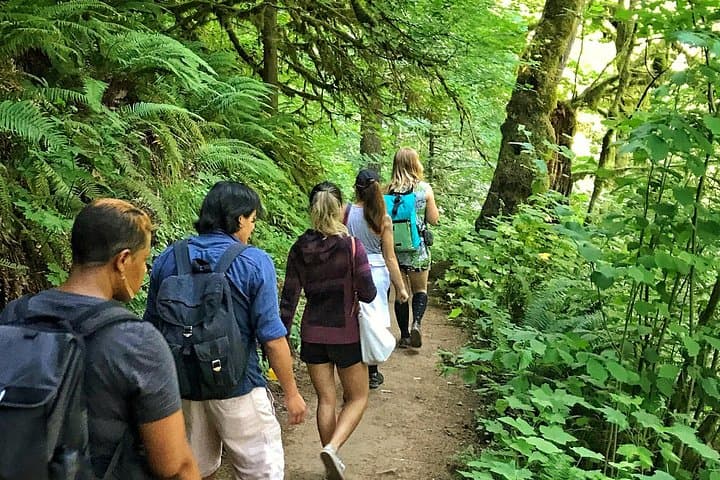
Lose the city for a few hours without leaving it: this 5-mile, 900-foot-gain Forest Park loop threads old-growth pockets, city viewpoints, and cultural landmarks for a compact taste of Portland’s wild side. Expect moss, roots, and stories.