
What the day feels like
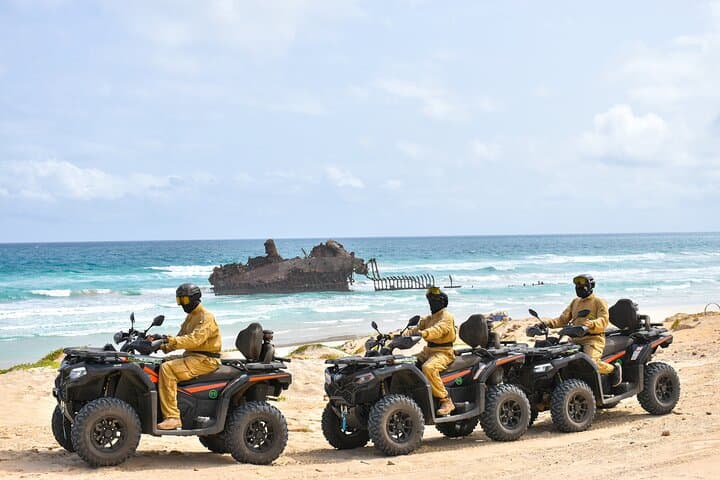
The engine thrums beneath you like a heartbeat. Salt smells of the Atlantic, sharp and immediate, and a rusted hull—half-buried in the sand—gives a sentence-long history to the coastline: the Cabo Santa Maria, a Spanish cargo ship that ran aground in 1968, now a photo-ready ruin against a bright, tropical sky. You kick the throttle and the quad answers, tires finding purchase on a skin of compacted sand and coral gravel. In one direction is the open ocean, a band of startling blue; in the other is the Viana Desert, an expanse of white dunes that seems to have been plucked from the Sahara and dropped onto Cape Verde.
This is Boa Vista in compact form: coastal drama and desert hush stitched together with tracks that invite a little speed and a lot of curiosity. The North Boa Vista quad route—usually a four-hour loop that begins and ends with a hotel pickup in Sal Rei—moves you through all of it. You’ll roll across low ridgelines and beachside flats to reach the Cabo Santa Maria shipwreck, then double back inland to climb the low, wind-sculpted dunes of Viana. It’s immediate, photogenic, and deceptively simple—until the wind shifts and the sand asks you to readjust your line.
Geology and human history sit close here. The Viana Desert wasn’t born on Boa Vista; Sahara winds have been ferrying grains of sand across the Atlantic for centuries, and on Boa Vista those grains accumulate in a place where coastal currents and topography encourage deposition. The shipwreck is a mid-20th-century punctuation mark that locals and visitors both treat as a landmark—photographers love the contrast of oxidized steel against pale sand and ocean blue, but it’s also a reminder of the island’s mercantile past and the capriciousness of Atlantic weather.
Culture in Boa Vista moves at sea-breeze time. Sal Rei, the island’s main town and your base for the day, is a cluster of low buildings and salt-scrubbed streets where local fishermen still land catch in a straightforward, durable tradition. You’ll hear creole Portuguese, smell grill smoke, and likely encounter a friendly offer of grogue—a potent local spirit distilled from sugarcane—if you linger for an after-ride drink. Food here is simple and honest: fresh tuna, corn-based stews like cachupa, and tropical fruit that make for easy, restorative meals after a morning at speed.
Practically, this tour is designed to be accessible. Guides provide all equipment and handle transfers to and from hotels in Sal Rei; we’re talking helmets, goggles, and basic instruction. The track types vary: coastal flats with hard-packed sand, short stretches of loose, powdery dune where the quad wants to drift, and narrow coral-gravel paths near the shoreline. Elevation is minimal—Boa Vista is an island whose drama is horizontal—but the technical challenge comes from surface quality and wind. If you’ve done beach riding or dune runs before, you’ll find the rhythm quickly; if this is your first ATV experience, the guides will walk you through the basics until you feel confident.
Why ride rather than drive? The quad opens a scale of experience that a regular car can’t: low, nimble, and responsive, it lets you feel the land in a direct way. You can pull to the water’s edge, scramble a short sand slope, stop in a line of shade for a photo, and then be back on the trail five minutes later. For photographers, the light here is brutal and beautiful—late-afternoon shadows carve the dunes, and the shipwreck pops best under side light. Guides typically build stops into the loop so you can shoot and explore.
Safety and sustainability are part of the trip rhythm. Guides keep groups compact, share basic mechanical checks, and emphasize staying on established tracks to protect fragile dune vegetation and any nesting areas. In summer months, parts of boa vista’s beaches are important nesting grounds for loggerhead turtles—guests are asked to avoid certain stretches and to keep light and noise to a minimum.
If you’re planning this as a day’s repeatable adventure, here’s what matters: go early or late in the day to avoid heat and to capture better light; wear closed-toe shoes and eye protection; hydrate often. Expect about four hours from hotel pickup to drop-off; operators tend to include instruction and photo stops within that window. Price on record is about $106 per person, and the tour has strong guest feedback—an average rating near 5 from dozens of reviews—so you’re in experienced hands.
This isn’t a white-knuckle adrenaline run so much as an active, sensory way to connect with Boa Vista: a coastline with a visible human past, a desert laid down by wind, and a community that moves between sea and land. The quads are the translation device—fast enough to feel like an adventure, stable enough for most travelers to enjoy. When you hand back your helmet in Sal Rei and sink into a chair with a plate of grilled fish and a cold drink, the island’s mix of salt and sand will have settled into memory. And there will likely be photos: a shipwreck, a dune crest, a line of footprints—evidence that the island rewarded your curiosity and your willingness to steer into the wind.
Trail wisdom
Small choices, better day.
Start early or late
Ride in the cooler morning or late afternoon for better light and less wind-driven sand.
Wear closed-toe shoes
Sand, shells, and coral fragments demand sturdy footwear—sneakers or light hiking shoes are best.
Protect your eyes
Goggles or wraparound sunglasses prevent sand from stinging your eyes on open stretches.
Respect nesting zones
Avoid designated sections of beach during turtle nesting season and follow your guide’s instructions.
Local knowledge
Read the place, not just the route.
Watch for native species including Loggerhead sea turtles (Caretta caretta), Coastal and migratory shorebirds (sanderlings, herons).
Keep an eye out for wildlife during the transition between areas and habitats. Respect distance guidelines.
Boa Vista’s beaches are critical for turtle nesting—stay on designated tracks, avoid disturbing nests, and follow guide instructions to minimize impact.
Follow the guide's instructions on size limits, ethical handling, and leave-no-trace practices.
Praia de Santa Monica - a long, almost empty west-coast beach ideal for a quiet walk. Ervatão (Turtle Beach) - an important nesting site with guided evenings and local conservation efforts
Locally recommended viewpoints and quiet spots known best to local operators.
The Spanish cargo ship Cabo Santa Maria ran aground in 1968; over decades it became a local landmark and photographic subject.
Maritime roots and regional tradition shape the waterways and working coasts.
Seasonal guide
Four versions of the same landscape.
Spring
Best forMild temperatures · Calmer seas · Good light for photos
ChallengesOccasional winds · Sporadic tourism peaks
Spring delivers mild days and good light; wind can pick up, so plan for gusty stretches near the coast.
Summer
Best forWarmer water for beach stops · Long daylight hours · Active birdlife
ChallengesStrong sun and heat · Loggerhead turtle nesting (July–Oct)
Summer is hot and bright—good for beach stops but be mindful of nesting turtles and bring sun protection.
Fall
Best forFewer tourists · Comfortable temperatures · Stable riding conditions
ChallengesOccasional rain squalls · Variable winds
Fall often means quieter trails and comfortable riding; bring a light wind layer for exposed runs.
Winter
Best forDry, stable weather · Easier wind conditions · Excellent visibility
ChallengesCooler mornings · Higher tourist demand in peak months
Winter is the island’s high season—dry, clear, and ideal for quadding, but book pickups and hotels in advance.
Operator details
What the booking data adds.
Included
- ✓Bottled water
- ✓Overall, Helmet and Goggles
- ✓Fuel surcharge
- ✓Pick up and Drop off
Not included
- —Photo Service
Good to know
- ✓Not recommended for travelers with spinal injuries
- ✓Not recommended for pregnant travelers
- ✓Suitable for all physical fitness levels
- ✓For safety reasons, there is a total weight limit of 220 kg (485 lbs) per quad
Pack with intention
What to bring.
Good to know
Common questions.
The full experience runs about four hours, including pickup from hotels in Sal Rei, a safety briefing, and photo stops.
Plan the edges
The details that make the day easier.
The Cabo Santa Maria ran aground in 1968 and remains a weathered landmark on Boa Vista’s northern shore; the nearby Viana Desert is made up of Saharan sands blown across the Atlantic and is listed among Cape Verde’s notable natural sites.
After the ride, head back to Sal Rei for grilled tuna or cachupa and a cold beer. Try local flavors—including fresh seafood and the sugarcane spirit grogue—at beachfront bars and simple family-run restaurants near the harbor.
- Closest airport
- Aristides Pereira International Airport (Rabil
- BVC); Driving time to Sal Rei
- ~20–30 minutes from the airport; Tour pickup: hotels in Sal Rei; Cell service: generally good in town, intermittent in dune areas; Permits: none required for tourists.
Boa Vista’s sands and nesting beaches are fragile—stick to established tracks, avoid night lighting near nesting sites, and pack out any trash to protect turtle habitat and dune vegetation.
Explore by topic
Follow the threads.
Keep exploring
Make the story part of the trip.
In four hours you can move from shaded canyon ferns to wind-scoured coastal ridgelines, guided by someone who knows where the light—and the hidden views—live. This private half-day hike on the Monterey Peninsula or Big Sur is compact, curated, and perfect for travelers who want depth without a multiday commitment.
 Related story
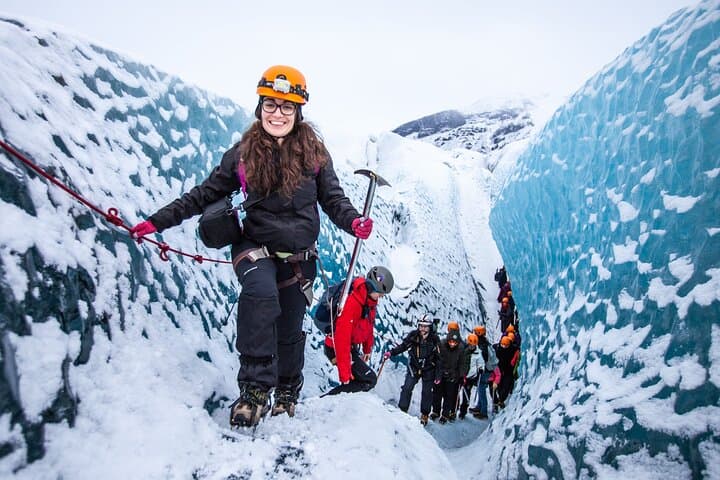
Beneath a sky of shifting light, Skaftafell’s ice reads like a map of time. This three-hour guided glacier hike mixes technical instruction with geology and culture: compact, safe, and unforgettable.
 Related story
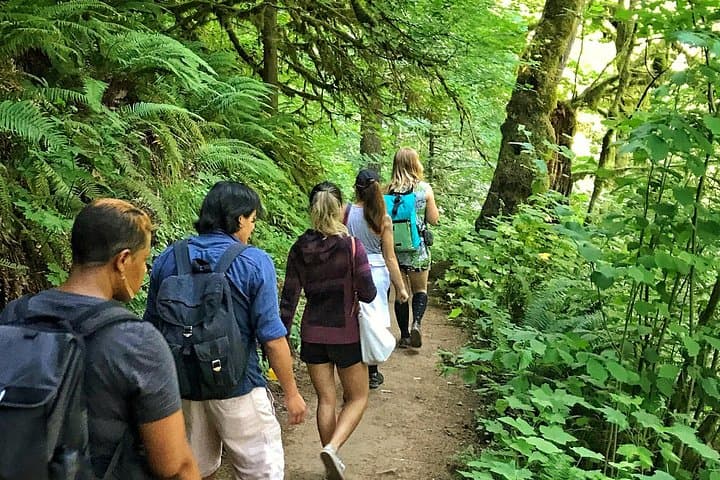
Lose the city for a few hours without leaving it: this 5-mile, 900-foot-gain Forest Park loop threads old-growth pockets, city viewpoints, and cultural landmarks for a compact taste of Portland’s wild side. Expect moss, roots, and stories.