
What the day feels like
The harbor smells like salt and diesel and something older — a wide, ocean-kindled patience. You push off from Slip M at Curtis Merritt Harbor, the jet ski humming under your knees, and the mainland quiet snaps shut behind you. In front, Assateague Island unfurls: a low, sandy spine crowned with beach grass and the silhouettes of wild ponies moving like punctuation against the sky. For the next hour you trade asphalt for swell, the engine’s pulse translating the coast into tempo and direction. Dolphins break the surface in polite, showy arcs; a boat of pelicans outlines the horizon like punctuation. The ride is equal parts adrenaline and cinema — you feel the wind as an ally and the island as a cast of characters.
This is not a race along a theme-park shoreline. Assateague’s beaches are a living edge where Atlantic storms, migrating birds, and the famous Chincoteague ponies shape a place that’s both fragile and defiantly animated. The <a href="https://app.advcollective.com/local-experts/wildlife-luxury-jet-ski-tours">Wildlife Luxury Jet Ski Tours</a> thread that edge into a one-hour outing designed to maximize encounter potential without turning the experience into a wildlife circumnavigation. The emphasis is observation and mobility: the jetskis let you skirt salt-marsh fingers, cut wide across open water where dolphins gather, and pause within visual range of ponies grazing near dune grass.
There’s a short cultural backstory to the animals you’ll see. The tale of shipwrecks washing ponies ashore has been popular lore; the more verifiable thread is on the island’s stewardship — the Chincoteague Volunteer Fire Company and the National Park Service manage herds and habitat differently depending which side of the island you’re on. Assateague is split between federal and state lands, and every nuance of sandbar and inlet has been shaped by shifting currents, storms, and decades of protective policy. Sailing the perimeter is as much a geography lesson as it is an animal-spotting trip: tidal fans carve new channels, dunes migrate, and salt marshes, those quiet plant cities, hold flocks of migratory birds.
What makes a jet-ski tour different from a dolphin-watch from a passenger boat? Intimacy and range. A personal watercraft lets an experienced guide position a small group at the edge of action — close enough to see the playful arcs of bottlenose dolphins, far enough to avoid disturbance. It also brings the shoreline close; the ponies don’t come to you (and you shouldn’t go to them), but from the water the animals take on an otherworldly stillness as if they were watching back.
Practical detail is the scaffolding that makes this cinematic hour accessible. The tour meets at 2246 Curtis Merritt Harbor Dr., Slip M Dock 4, Chincoteague, VA 23336; the company runs one-hour tours that work well as an early-morning wildlife run or a late-afternoon cooldown. The craft are luxury-class personal watercraft — more stable, more responsive, and outfitted with comfortable seating and basic safety gear. Guides are local and oriented to wildlife etiquette, tides, and safe routes around shoals and sandbars.
Timing is everything: tide, light, and seasonal animal patterns matter. Early morning tends to be calmer and cooler, improving sightlines and making dolphin encounters more likely; late afternoons bring warm light that’s flattering for photos and can concentrate birds along the shoreline. Expect an active, standing-and-leaning ride rather than a placid float: plan for spray, sun, and an hour where you’ll be engaged.
A few neighborhood notes: Chincoteague village is small and oriented around waterfront life — seafood shacks, bait shops, and a visitor center for the Chincoteague National Wildlife Refuge that contextualizes what you’ll see. The island’s conservation measures are visible in small things — restricted vehicle access on some beaches, signage asking you not to feed wildlife, and marsh restoration projects that slow erosion.
Whether you’re a first-time rider or a seasoned PWC pilot, the goal is the same: connect with this part of the Atlantic in a way that respects place. The jetskis give you speed when the water opens and patience when wildlife cues a pause. You’ll come off the water with wet hair, salt on your chin, and a better sense of why this spit of sand has kept humans, horses, and birds in its orbit for generations.
If you’re planning a trip, book a slot that gives you leeway — a weather window matters with the Atlantic’s quick shifts — and plan your day around the tide. Bring a small dry bag for essentials and a charged phone in a waterproof case for photos. If you want less speed and more photography, ask the operator about quiet-speed stretches or more observation-forward routing. For booking and specifics, see the <a href="https://app.advcollective.com/local-experts/wildlife-luxury-jet-ski-tours">Wildlife Luxury Jet Ski Tours</a> page for meeting details, timing, and local guidance. When you return to the dock, get off the water slowly — this hour has a way of resetting your scale of wants. On land, sample steamed clams or fresh-caught rockfish at a waterfront spot, keep an eye on the ponies at dusk, and let the modest village remind you that adventure can live in small places.
You’ll leave with the simple arithmetic of a good trip: speed plus silence plus proximity equals an hour that recalibrates how you think about shorelines. More than the rush, it’s the keepsakes — the image of a pony framed by dune grass, a dolphin’s curved back in late light — that stay. That’s why people keep coming back to Assateague, and why a one-hour tour can feel like a return to something elemental.
Trail wisdom
Small choices, better day.
Book for calm tides
Reserve early-morning or late-afternoon slots to increase your chances of calm water and active wildlife sightings.
Wear closed water shoes
Protect your feet when boarding and disembarking; surfaces can be slippery and docks uneven.
Use a waterproof phone case
Bring a secure waterproof case or dry bag so you can safely photograph dolphins and ponies.
Respect wildlife distance
Follow your guide’s directions to avoid stressing dolphins or approaching ponies too closely.
Local knowledge
Read the place, not just the route.
Watch for native species including Bottlenose dolphin, Chincoteague/Assateague wild ponies.
Keep an eye out for wildlife during the transition between areas and habitats. Respect distance guidelines.
Respect seasonal postings and stay off closed dunes; operators follow best practices to minimize disturbance to marine mammals and shorebirds.
Follow the guide's instructions on size limits, ethical handling, and leave-no-trace practices.
Pony viewing at dawn from accessible beach overlooks. Short walk into the Chincoteague National Wildlife Refuge for marsh platforms and bird blinds
Locally recommended viewpoints and quiet spots known best to local operators.
Assateague Island’s shoreline has long been shaped by maritime history and island stewardship; the Chincoteague Volunteer Fire Company plays a key role in managing pony populations.
Maritime roots and regional tradition shape the waterways and working coasts.
Seasonal guide
Four versions of the same landscape.
Spring
Best forMigratory birds · Mild temperatures
ChallengesUnpredictable weather · Higher winds some days
Spring brings migrating shorebirds and fewer crowds, but wind and intermittent rain can make conditions choppier.
Summer
Best forDolphin sightings · Long daylight hours
ChallengesHeat and sun exposure · Peak seasonal crowds
Summer offers the highest chance of dolphin encounters and calm mornings — pack sun protection and book early.
Fall
Best forCrisp light for photos · Fewer tourists
ChallengesCooling water temperatures · Shorter days
Fall’s light is great for photography and wildlife viewing; expect cooler winds and fewer services late in the season.
Winter
Best forStorm watching · Solitude
ChallengesCold, rough water · Limited tour schedules
Winter offers solitude and dramatic skies but tours are less frequent and conditions can be harsh—dress warmly if you go.
Pack with intention
What to bring.
Good to know
Common questions.
Tours are one hour long and meet at 2246 Curtis Merritt Harbor Dr., Slip M Dock 4, Chincoteague, VA 23336.
Plan the edges
The details that make the day easier.
The Chincoteague Volunteer Fire Company has auctioned ponies since the 1920s and still plays a central role in managing pony populations and the island’s Pony Penning tradition.
After the ride, head to Chincoteague’s waterfront for steamed clams, locally caught rockfish (striped bass), or simply a cold beer while watching the tide — many small restaurants and shacks center around Dock Street and Main Street.
- Closest airport
- Salisbury-Ocean City Wicomico Regional (SBY) ~45–60 minutes drive; Meeting point: Curtis Merritt Harbor, Slip M Dock 4; Driving distance from downtown Chincoteague: under 10 minutes; Cell service: generally good in town, patchy on-refuge; Permits: No additional permits for guided tours, but refuge rules apply.
Do not feed or approach wildlife; use reef-safe sunscreen, pack out all trash, and follow your guide’s instructions to avoid disturbing shorebirds and marine mammals.
Explore by topic
Follow the threads.
Keep exploring
Make the story part of the trip.
In four hours you can move from shaded canyon ferns to wind-scoured coastal ridgelines, guided by someone who knows where the light—and the hidden views—live. This private half-day hike on the Monterey Peninsula or Big Sur is compact, curated, and perfect for travelers who want depth without a multiday commitment.
 Related story
Beneath a sky of shifting light, Skaftafell’s ice reads like a map of time. This three-hour guided glacier hike mixes technical instruction with geology and culture: compact, safe, and unforgettable.
 Related story
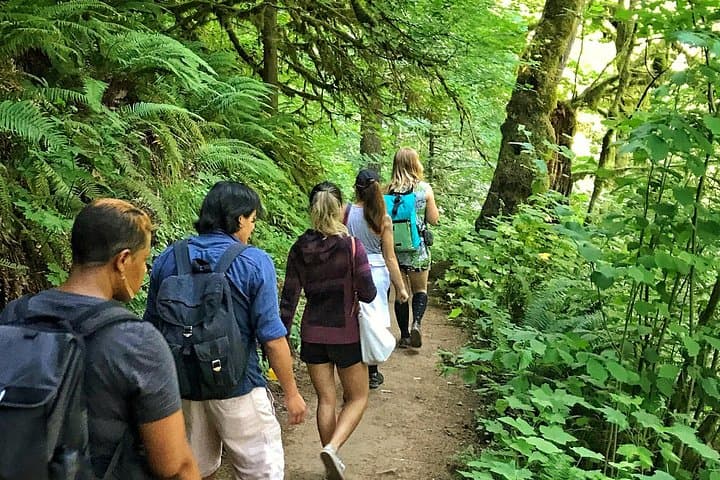
Lose the city for a few hours without leaving it: this 5-mile, 900-foot-gain Forest Park loop threads old-growth pockets, city viewpoints, and cultural landmarks for a compact taste of Portland’s wild side. Expect moss, roots, and stories.