
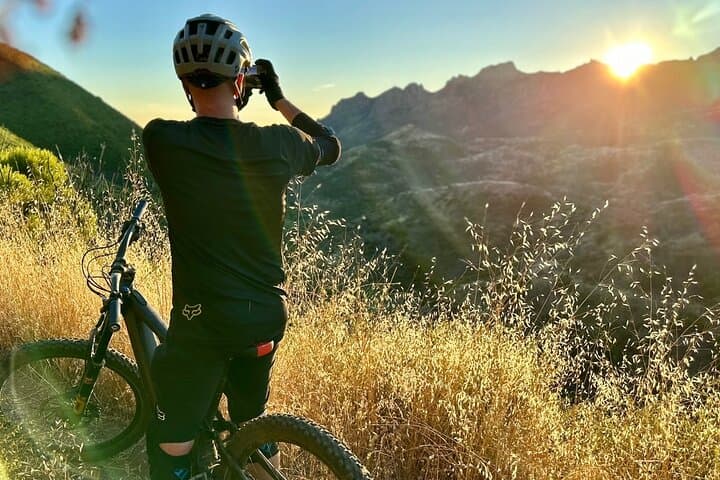
What the day feels like
You start on the shoulder of Pacific Coast Highway with salt on your lips and the Ducati-branded eMTB humming beneath you. The ocean keeps one eye on you to the west while the Santa Monica Mountains close ranks behind, their ridgelines folding like the pages of a weathered map. For three hours you move between two very different energies: the coaxing push of an electric motor on paved and fire roads, and the patient hush of canyon shade as you switch to hiking to reach a hidden grotto and waterfall. It feels conspiratorial, as if Malibu has a private postcard it only shows to those who step off the highway.
This is a beginner-friendly loop of contrasts. The ride portion flings you along coastal views and wide service roads where the e-assist turns climbs into conversations. Then the trail narrows, the bikes are tucked aside, and you hike a short canyon route where water has earned the walls a soft sheen and moss collects in dark pockets. At the grotto, the waterfall is modest but purposeful, a plumb-line of cool falling water into a shallow pool that invites a quick dip. The canyon smells of wet stone, creosote, and sun-warmed chaparral. Light filters down in slats, and if you listen closely, the river dares you to linger.
Geology and human history are stitched into the route. The Santa Monica Mountains are the upthrust edge where ocean meets mainland, sculpted by uplift and erosion into deep, narrow canyons with seasonal waterfalls. These canyons also carry stories: the Chumash people inhabited greater Malibu for millennia, moving along creeks and coastlines and trading tar and shell. Later, 20th-century development and Hollywood proximity brought new pressures and protections; today much of this coastal range sits within the Santa Monica Mountains National Recreation Area, a patchwork of preserved ridges and privately held land.
Culturally, a trip like this reveals Malibu beyond its postcard beaches. Locals know to look inland for the quiet: small farms, family-run delis, and wineries tucked into valleys. On any midweek ride you might pass a horseback herd and a ranch gate, and on the road back toward the coast you could stop for a post-ride taco or a cold beer at a surf-town haunt. The experience reframes Malibu from a coastline spectacle to a canyon-rich landscape that rewards curiosity.
Practical context is part of the charm. The operator supplies 2025 premium eMTBs — options like a Ducati TK-01RR, Specialized Kenevo Expert, or Husqvarna Extreme Cross-10 — and full protective gear including knee and elbow guards, gloves, and eyewear. The three-hour window is compact but intentionally paced: a guided warm-up, a steady pedal to the trailhead, a hike into the grotto, swim time if conditions permit, and a return with buffer for photos. Riders of all levels are welcome; the e-assist evens the gradient for beginners while letting stronger riders manage speed and effort.
If you plan to go, timing is everything. Spring brings the best chance of flowing water and green canyon walls. After dry spells the waterfall diminishes, and the pool can be a trickle rather than a place to cool off. Midweek trips avoid weekend traffic; early starts cut through the hottest hours in summer and capture the golden hour along the coast on the return.
On logistics and safety: boots or grippy trail shoes are worth more than fashion; creekside rocks get slick. Bring a small daypack with a water reservoir or two water bottles, sunscreen, a wind layer, and a phone in a waterproof pouch. Hydration matters more than you think — the combination of sun, motorized cadence, and canyon humidity can sneak up. Expect mixed cell service in deeper canyons. The guide will brief you on basic eMTB handling, trail etiquette, and safe swimming. If you plan to swim, double-check water quality advisories the day of your trip.
Why book this and not a self-guided ride? Two reasons: access and perspective. Some of these canyon approaches are easiest to reach with local knowledge of parking, seasonal closures, and microhabitats; guides interpret the landscape, spot wildlife, and manage pace for mixed-ability groups. Plus, the gear here is high-end — a 2025 eMTB can change the math on steep climbs and return speed without draining your legs.
This adventure is small in scope but big in payoff: three hours, a handful of miles split between road and trail, and a moment in a shaded pool beneath falling water. For those who want Malibu beyond its surf-and-sand snapshot, it opens a different sense of place — one where the coast watches, the canyon keeps secrets, and a powered pedal nudges you into discovery.
Practical snapshot: the tour runs about three hours, is priced from $199 per person, and includes premium eMTB rental and protective gear. Expect paved road and fire-road riding with a short hike to the grotto and a chance to swim. Come prepared for sun, variable trail surfaces, and beautiful, fleeting water.
Trail wisdom
Small choices, better day.
Reserve a morning slot
Start early to avoid PCH traffic and to catch cooler canyon temperatures and stronger waterfall flow in spring.
Bring swimwear and a quick-dry towel
If recent rains have filled the pool, you’ll want to wade in; quick-dry gear makes the ride back comfortable.
Wear grippy trail shoes
Expect a mix of paved and uneven fire-road surfaces plus slick creekside rocks during the hike.
Know eMTB basics
Listen to the guide’s e-assist briefing and use lower power modes on singletrack to maintain control.
Local knowledge
Read the place, not just the route.
Watch for native species including Western scrub-jay, Mule deer.
Keep an eye out for wildlife during the transition between areas and habitats. Respect distance guidelines.
Much of the area falls within the Santa Monica Mountains National Recreation Area, where staying on trails and packing out waste helps protect sensitive riparian habitats.
Follow the guide's instructions on size limits, ethical handling, and leave-no-trace practices.
Pullouts on the outbound road with unobstructed ocean views. Small creekside alcoves upstream from the grotto with calmer water for photos
Locally recommended viewpoints and quiet spots known best to local operators.
The Santa Monica Mountains have been inhabited for thousands of years by the Chumash people, who used coastal and canyon resources for food and trade.
Maritime roots and regional tradition shape the waterways and working coasts.
Seasonal guide
Four versions of the same landscape.
Spring
Best forWildflower displays · Waterfall flow · Cool riding temperatures
ChallengesOccasional muddy trail sections · Higher visitor numbers on weekends
Spring offers the best waterfall flow and green canyon walls, but expect some mud after rains and schedule midweek visits to avoid crowds.
Summer
Best forLong daylight hours · Warm canyon swims
ChallengesLow waterfall flow after prolonged dry spells · Hot midday temperatures
Summer provides ideal swimming temps and long days, though the waterfall may be diminished and the sun intensive on exposed sections.
Fall
Best forFewer crowds · Mild weather · Golden light for photos
ChallengesDeclining water levels · Shortening daylight hours
Fall brings quieter trails and photogenic light, but the water tends to thin and evenings cool quickly.
Winter
Best forChance of robust waterfall after storms · Cool, crisp rides
ChallengesStorm closures and muddy access · Chilly water and air temperatures
Winter can deliver dramatic waterfall flows after storms, but prepare for muddy approaches and colder swims.
Operator details
What the booking data adds.
Included
- ✓Bottled water
- ✓2025 Specialized Kenevo Expert Electric Mountain Bike
- ✓Experienced guide
Good to know
- ✓Travelers should have at least a moderate level of physical fitness
Pack with intention
What to bring.
Good to know
Common questions.
No. The tour is beginner-friendly; guides provide a safety and handling briefing and choose routes suitable for mixed abilities.
Plan the edges
The details that make the day easier.
The Santa Monica Mountains, which cradle Malibu's inland canyons, are part of the Santa Monica Mountains National Recreation Area, the largest urban national park in the United States.
After the ride, head to Malibu Farm on the pier for farm-forward plates and ocean views or grab seafood and local beers at Malibu Seafood for a casual post-adventure meal; small cafes along PCH offer fresh tacos and coffee for quick refuels.
- Closest airport
- LAX (approx. 30–40 miles drive); Typical driving distance from central Malibu: under 20 miles depending on trailhead; Cell service: intermittent in deeper canyons; Permits
- passes
- none typically required but subject to seasonal closures — confirm with operator at booking.
This region includes sensitive riparian and chaparral habitats; stick to designated trails, pack out all trash, and avoid disturbing wildlife or vegetation around water sources.
Explore by topic
Follow the threads.
Keep exploring
Make the story part of the trip.
In four hours you can move from shaded canyon ferns to wind-scoured coastal ridgelines, guided by someone who knows where the light—and the hidden views—live. This private half-day hike on the Monterey Peninsula or Big Sur is compact, curated, and perfect for travelers who want depth without a multiday commitment.
 Related story
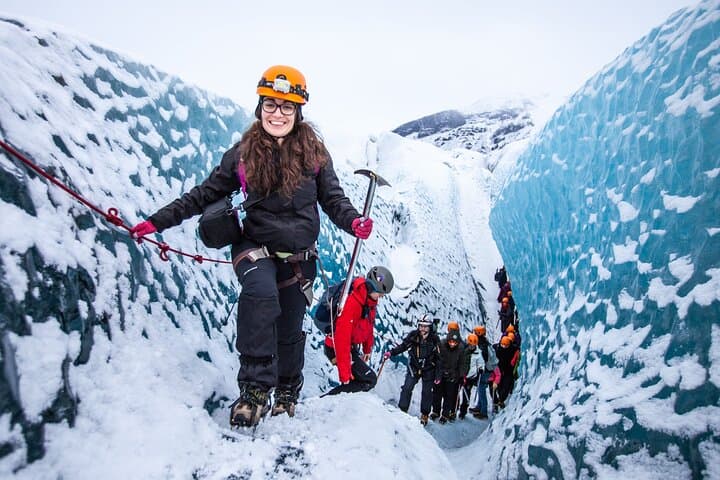
Beneath a sky of shifting light, Skaftafell’s ice reads like a map of time. This three-hour guided glacier hike mixes technical instruction with geology and culture: compact, safe, and unforgettable.
 Related story
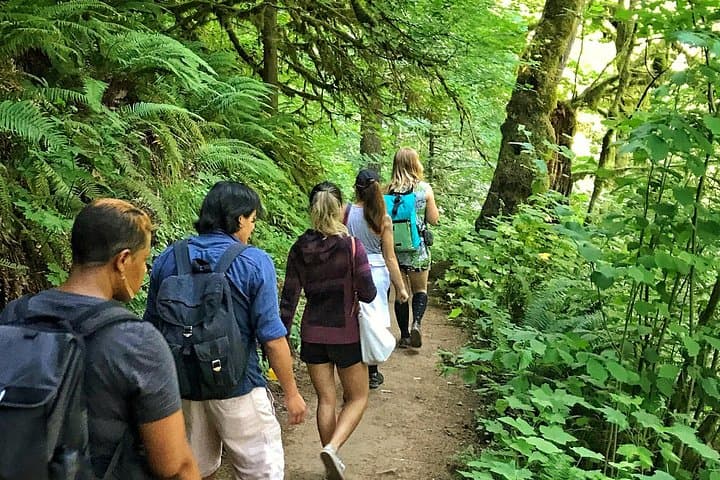
Lose the city for a few hours without leaving it: this 5-mile, 900-foot-gain Forest Park loop threads old-growth pockets, city viewpoints, and cultural landmarks for a compact taste of Portland’s wild side. Expect moss, roots, and stories.