
What the day feels like
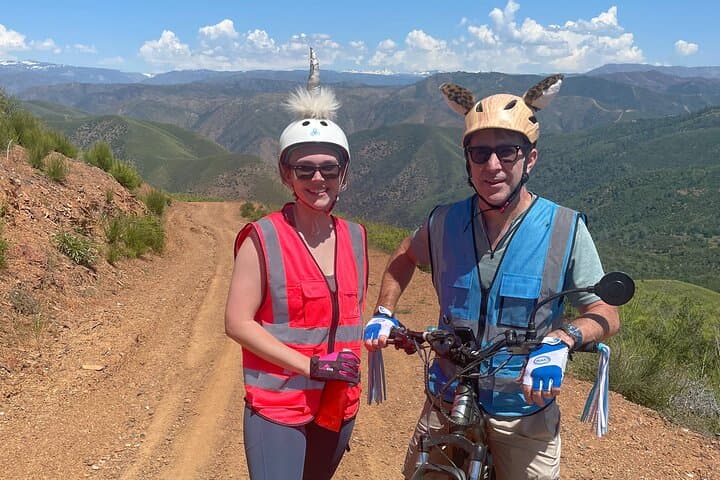
The morning smells like dust and citrus—an earthy sweetness carried down from orchards and old mine cuts. You clip into the pedals, the Aventon Aventure humming like a compact engine of possibility, and the ranch road ahead folds open in a ribbon of oak-studded ridge and valley. For seven to eight hours you’ll trade the highway’s churn for a slower, more intimate speed: the cadence of an assisted e-bike where each climb feels earned, not punishing, and each descent invites a grin you can’t quite hide. This is the Full Day E-biking in the Sierra Foothills (Mariposa): 40-plus miles of remote roads, up to 5,000 feet of cumulative climbing, story-rich stops, and a lunch that tastes like local summer.
The ride’s spine is Gold Country—literal and cultural. These foothills were the engine of California’s mid-19th century boom; sluice cuts and stamp mill ruins still scar the landscape if you know where to look. Beneath your tires are weathered granitic outcrops and pockets of ancient river gravels where gold once hid. The geology creates a patchwork of oak woodland, chaparral, and grassy ranchlands—the same mosaic that supports scattered cattle operations and resilient small towns. The people who live here are shaped by that history: descendants of ranching families, artisans whose lives orbit the seasons, and the Southern Sierra Miwok, whose deep stewardship of this land predates the prospectors.
Nature seems to move with intent out here. Oak branches lean into the wind like chroniclers pointing the way; dry creekbeds will dare you to find beauty in their quiet. The e-bike amplifies your access without erasing the work—on a grade where a regular rider might walk, the assist opens a doorway. That means you’ll spend more time looking: at a distant granite fin catching light, at a hawk banking over a fence line, at a century-old homestead leaning against the slope. The guide’s storytelling—local geology, mining anecdotes, seasonal ecology—turns those sights into scenes with context.
Practical realities matter on a day like this. You’ll be on well-maintained ranch and county roads rather than technical singletrack, but expect varied surfaces: packed dirt, gravel, occasional tarmac. The route length and 5,000 feet of climbing over the day make this a long outing; e-bike assistance evens the ledger but doesn’t remove the need for base fitness. The fleet of Aventon Aventure bikes provided are built for comfort over distance—suspension, battery range tuned for day trips, and upright geometry for long-view riding. Guides supply helmets, gloves, and snacks; lunch is included and timed at a scenic stop, often with a local-produce bent.
Timing is practical art. Spring and fall offer moderate temperatures and wildflower windows; summer opens up long, dry vistas but also heat that makes early starts smart. Cell service will be intermittent in the more remote stretches; batteries for phones and cameras are worth carrying. Wear layered clothing: mornings can be cool, midday hot, and ridgelines always wind-exposed. If you want photos, aim for the low sun of early morning or late afternoon—light that accents the foothills’ geometry and turns oak bark honey-brown.
For travelers planning this day: the ride is close enough to Yosemite to be paired with a park visit—Mariposa sits on the western gateway to Yosemite, a 40–60 minute drive depending on where you go in the valley—yet the experience is distinctly foothill: fewer crowds, wide-open ranch country, and a sense of space that feels like the very opposite of park shoulder-to-shoulder trails. The tour’s private format and manual confirmation give flexibility for riders of mixed ability; expect a moderate-to-challenging day, but one that most active people with a willingness to spend a full day on a bike will find hugely rewarding.
Sustainability is part of the weave. The operators emphasize staying on permitted roads, minimizing impacts on fragile soils, and supporting local businesses for lunch and logistics. The e-bike itself is a gentle compromise: it extends access and reduces the footprint of motorized vehicles across fragile backroads when used responsibly.
When you sign up, prepare for a long, satisfying day of moving through landscape and history. Hydrate the night before, charge any personal electronics you plan to bring, and pack a light rain layer even if the forecast is clear—the foothills throw microclimates, and weather can change fast. At the end of the ride you’ll understand why folks keep coming back: there’s a cadence to these hills, a human-scale grandeur that rewards attention and curiosity. The Sierra Foothills won’t overwhelm you. They’ll invite you to look closely—and to come away with a better sense of how land, history, and people shape one another here.
Trail wisdom
Small choices, better day.
Charge and carry a spare battery
Bring a fully charged personal device and consider a small power bank—guides manage e-bike batteries but your camera/phone will drain on photo stops.
Layer for temperature swings
Mornings can be cool and midday hot; pack a lightweight wind or rain layer and breathable base layers.
Pace the climbs
Use the e-bike’s assist levels strategically—start climbs in a lower gear and bump assistance up steadily to preserve battery and legs.
Hydrate continuously
Carry 2–3 liters of water or a hydration bladder and sip regularly—electrolyte snacks on offer but your pack should carry fluids.
Local knowledge
Read the place, not just the route.
Watch for native species including Mule Deer, Wild Turkey.
Keep an eye out for wildlife during the transition between areas and habitats. Respect distance guidelines.
The area’s oak woodlands and grasslands are sensitive to erosion and invasive species—stay on roads, avoid widening paths, and pack out all trash.
Follow the guide's instructions on size limits, ethical handling, and leave-no-trace practices.
Mariposa Grove of Giant Sequoias—just a short drive offers an easy extension to see over 500 mature sequoias. Hornitos Historic Site—an authentic Gold Rush-era settlement with remaining stone structures and a quiet roadside feel
Locally recommended viewpoints and quiet spots known best to local operators.
The Sierra Foothills were the epicenter of California’s 1849 Gold Rush; Mariposa County preserves mining relics and ranching traditions that shaped regional culture.
Maritime roots and regional tradition shape the waterways and working coasts.
Seasonal guide
Four versions of the same landscape.
Spring
Best forWildflowers · Mild temperatures · Long daylight hours
ChallengesMud on shaded dirt roads · Variable weather
Spring brings wildflowers and comfortable riding temperatures, but be ready for occasional muddy patches after storms.
Summer
Best forClear views · Warm mornings · Extended daylight
ChallengesHigh heat on exposed ridgelines · Increased fire danger
Summer offers dry roads and wide vistas—start early to avoid heat and always carry ample water.
Fall
Best forCrisp air · Golden oak color · Quieter routes
ChallengesShortening daylight · Cool mornings
Fall is ideal for color and crisp light; layer up for chilly starts and plan your return before dusk.
Winter
Best forMoody skies · Off-season solitude
ChallengesCold temperatures · Occasional road closures or muddy sections
Winter can be quiet and dramatic; check conditions and expect cooler, wetter rides with potential route changes.
Operator details
What the booking data adds.
Included
- ✓Lunch
- ✓We've carefully selected a variety of delicious, high-quality snacks to keep you hydrated and energized throughout the ride
- ✓Use of bicycle
Good to know
- ✓Travelers should have at least a moderate level of physical fitness
Pack with intention
What to bring.
Good to know
Common questions.
You don’t need pro fitness, but expect a full day of steady pedaling and up to 5,000 feet of cumulative climbing; e-bike assist makes climbs manageable but a baseline of regular cycling or aerobic activity helps.
Plan the edges
The details that make the day easier.
Mariposa Grove, near Mariposa, contains over 500 mature giant sequoias, including the well-known Grizzly Giant—one of the largest trees in Yosemite.
After the ride, head to Mariposa’s historic Main Street for locally roasted coffee, a family-run bakery slice of pie, or an informal brewpub to trade stories with other travelers—the town’s preserved Gold Rush architecture frames a surprisingly vibrant local-food scene.
- Closest major airport
- Fresno Yosemite International Airport (FAT) ~60–75 miles
- 1.5 hours; Driving distance from Yosemite Valley
- ~35–60 minutes depending on route; Cell service: intermittent on remote ranch roads; Permits or passes: no special permits for the tour itself, but Yosemite National Park charges entrance fees if you visit the park.
Respect private ranch roads and vegetation by staying on the route, pack out all trash, and follow local guidance on where e-bikes are permitted; supporting locally sourced lunches helps the foothill economy.
Explore by topic
Follow the threads.
Keep exploring
Make the story part of the trip.
Set out from Bass Harbor for a private, customizable day on Blue Hill Bay — lighthouses, puffins, seals, and the chance to feel Acadia from the water. Small groups, local captains, unforgettable views.
In four hours you can move from shaded canyon ferns to wind-scoured coastal ridgelines, guided by someone who knows where the light—and the hidden views—live. This private half-day hike on the Monterey Peninsula or Big Sur is compact, curated, and perfect for travelers who want depth without a multiday commitment.
 Related story
Beneath a sky of shifting light, Skaftafell’s ice reads like a map of time. This three-hour guided glacier hike mixes technical instruction with geology and culture: compact, safe, and unforgettable.