
What the day feels like
Dawn warms the granite as the horses stamp and blow, their breath rising in small ghosts against the high Sierra air. A wrangler swings open the corral gate, and the line of calm, trail-wise mounts seems to lean toward the day, as if impatient to get moving. Your kid—helmet buckled, eyes wide—runs a hand down a velvet nose and the horse flicks an ear, deciding you’re worth trusting. In the hush before the saddles creak and the trail calls, the mountains feel alive and watchful, old granite keeping its own counsel. Over three days, this Parent & Child Trail Ride stitches together a compact highlight reel of the Eastern Sierra: hours in the saddle on soft earth and forest duff, campfire smoke curling into a river of stars, and cold alpine creeks daring you to try your luck with a fly. It’s the kind of trip that favors presence over speed, and shows kids that wild places still have room for them.
Basecamp is Rock Creek Canyon, a side valley off U.S. 395 that climbs fast into the high country. The road ends near tree line, where tamarack and willow take one last stand before surrendering to granite and sky. You’ll spend 3 days riding, fishing, and camping at a relaxed, family-first pace—long enough to settle in, short enough to fit between summer ball games and back-to-school. The outfitter keeps things straightforward: riders must be under 240 pounds, kids 13 and under must wear helmets, and the minimum age is 6. Expect 3–5 hours in the saddle on riding days, with breaks for water, snacks, and the simple ritual of learning horse care—the quiet satisfaction of brushing dust from a coat, checking cinches, and rewarding patience with a good scratch at the withers.
The Sierra Nevada shape the tempo. Trails weave through lodgepole pines and aspen, cross creeks that giggle in early season and settle into clear whispering pools by July. Granite stair-steps the landscape; meadows open like bright pages. Elevation is part of the plot—often 7,500 to 10,000 feet—so you drink more water, move deliberately, and feel the country in your lungs. The horses know these lines by heart. They read the day with you: a slight shift when the grade steepens, a careful place of the hoof in a shallow crossing, the unhurried certainty of animals that have carried generations into the backcountry.
There’s history under every hoofprint. Pack trains once moved ore and supplies through these same canyons for high-country miners and shepherds. The tradition persists, refined for families looking to trade screen time for star time. In camp, a cast-iron pan hisses over the fire, and stories travel freely—how a parent once learned to ride here, which summit caught alpenglow like a lantern, the trout that got away at dusk. You learn small efficiencies that feel like wisdom: cinch the rainfly before the thermal wind wakes at sunset, hang a damp shirt near—but not over—the fire, tuck a headlamp in the same pocket every time. The mountains reward these rituals.
Fishing, if you want it, is straightforward. Creeks and small lakes hold rainbow and brown trout; a barbless hook and a patient roll cast will often be enough, especially in the slow edges where the current pushes forward and invites a drift. If you’re new to it, ask questions—the guides are living encyclopedias of high-country microhabitat. For planning support or to connect with trusted advice in the region, consult our <a href="https://app.advcollective.com/local-experts/undefined" target="_blank">local experts</a> directory; it’s an easy way to match your goals with people who know the terrain.
Geology is overt here—no need to squint to see it. Glaciers carved U-shaped valleys and left lakes like beads on a cord; erratics sit in meadows like purposeful punctuation. The rock is mostly granite, clean and honest, and it throws light differently by the hour. Morning is soft; midday is sharp; and evening—a painter’s hour—lets the peaks glow until the sky decides you’ve had enough. Keep a camera handy but don’t overshoot; some moments prefer memory over megapixels. When you want help dialing in where to point your lens, our <a href="https://app.advcollective.com/local-experts/undefined" target="_blank">local experts</a> can steer you to viewpoints that play well with morning or evening light.
Logistics are refreshingly simple. The outfitter provides a horn bag for camera and essentials; keep your carry-on to under three pounds so the horse stays balanced. A sleeping bag and personal gear round out your kit. Sturdy boots with a heel, long pants, sun protection, and layers handle most weather curves. If you’re bringing a young rider, build confidence early—let them help brush the horse, practice a gentle one-rein stop in the corral, and make a game of spotting trail markers. The mountains approve of curiosity.
This is a trip built for parent-and-child connection. Distance is measured in conversations, not just miles. Hours in the saddle become simple therapy; the rhythm of hoofbeats frees words that don’t always find space at home. A meadow breeze skims your faces and the forest nods; you feel watched over but not confined. When the stars rise—millions, not just a handful—the universe seems to lean in, as if to say: remember this. For more nuanced planning advice and outfitter introductions, browse our <a href="https://app.advcollective.com/local-experts/undefined" target="_blank">local experts</a> hub; it’s designed to put you in touch with people who live and breathe this country.
Trip essentials: It’s three days, $975 per rider, with 2025 departures on June 20–22, June 27–29, July 4–6, July 11–13, and July 18–20. All riders under 18 must be with a parent or guardian. The rest is attitude: respect the horses, the weather, and the pace. The Sierra doesn’t rush, and neither should you. What you get in return is a pure Western slice of summer—bright mornings, creek-cold fingers, campfire warmth, and the quiet competence that comes from learning alongside your kid. That’s the real souvenir.
Trail wisdom
Small choices, better day.
Acclimate and Hydrate
You’ll ride between roughly 7,500–10,000 feet. Start drinking extra water a day before, and sip steadily on the trail to stay sharp and comfortable.
Pack Light in the Horn Bag
Keep camera, sunscreen, lip balm, and a compact layer under 3 pounds to maintain saddle balance and horse comfort.
Teach a One-Rein Stop
Before leaving the corral, practice a gentle one-rein stop with your child so they can help calm and redirect their horse if needed.
Mind the Meadows
Stay on durable surfaces and avoid wet meadow edges—stock and boots can easily damage sensitive alpine soils.
Local knowledge
Read the place, not just the route.
Watch for native species including Mule deer, Clark’s nutcracker.
Keep an eye out for wildlife during the transition between areas and habitats. Respect distance guidelines.
Alpine meadows and riparian zones are fragile—ride on durable trails, keep stock out of marshy edges, and pack out all trash.
Follow the guide's instructions on size limits, ethical handling, and leave-no-trace practices.
Rock Creek Lake inlet at dawn for glassy reflections and quiet trout rises. Aspen-lined bends along lower Rock Creek for late-day golden light
Locally recommended viewpoints and quiet spots known best to local operators.
These pack routes trace back to the early 1900s when horses and mules supplied remote mines and shepherd camps in the Eastern Sierra.
Maritime roots and regional tradition shape the waterways and working coasts.
Seasonal guide
Four versions of the same landscape.
Spring
Best forCool temperatures · Rushing creeks
ChallengesLingering snow · Unpredictable storms
Early season can bring patchy snow and high water; outfitters may start later depending on trail conditions.
Summer
Best forPrime riding conditions · Reliable fishing
ChallengesAfternoon thunderstorms · Intense sun at altitude
June–July is the sweet spot for family rides—long days, open trails, wildflowers, and comfortable nights.
Fall
Best forGolden aspen · Cool, clear air
ChallengesShorter daylight · Colder nights
If offered, early fall rides bring color and crisp mornings; expect chilly evenings and a faster cool-down after sunset.
Winter
Best forSnowy vistas (no rides)
ChallengesRoad closures · Heavy snow
Rock Creek Road often closes high; horseback trips pause until the thaw. Consider snowshoeing or XC skiing from lower trailheads.
Pack with intention
What to bring.
Good to know
Common questions.
None. The horses are trail-wise and the wranglers provide instruction; prior saddle time helps, but beginners are welcome.
Plan the edges
The details that make the day easier.
Rock Creek Road ends at Mosquito Flat, one of the highest-elevation paved trailheads in the Sierra Nevada at roughly 10,300 feet.
Post-ride, swing by Rock Creek Lakes Resort for a slice of fresh pie, then head to Mammoth Brewing Company for a cold pint and kid-friendly bites. In Bishop, fuel up at Erick Schat’s Bakkery and stroll Main Street for that classic Highway 395 vibe.
- Closest airport
- Eastern Sierra Regional (BIH) in Bishop; Reno-Tahoe (RNO) ~3 hours. Trailhead
- Corral
- Rock Creek Canyon via Tom’s Place off US-395. Drive time: ~35–45 minutes from Mammoth Lakes. Cell service: Limited to none in canyon. Permits: Included with guided trip; adults 16+ need a California fishing license to fish.
Rock Creek’s meadows and streams are part of a sensitive alpine ecosystem—use established trails, keep stock out of wet meadows, strain dishwater, and pack out everything you carry in.
Explore by topic
Follow the threads.
Keep exploring
Make the story part of the trip.
In four hours you can move from shaded canyon ferns to wind-scoured coastal ridgelines, guided by someone who knows where the light—and the hidden views—live. This private half-day hike on the Monterey Peninsula or Big Sur is compact, curated, and perfect for travelers who want depth without a multiday commitment.
 Related story
Beneath a sky of shifting light, Skaftafell’s ice reads like a map of time. This three-hour guided glacier hike mixes technical instruction with geology and culture: compact, safe, and unforgettable.
 Related story
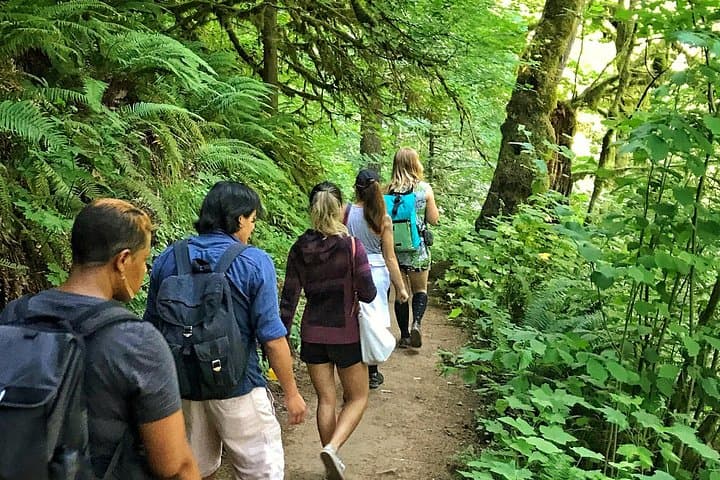
Lose the city for a few hours without leaving it: this 5-mile, 900-foot-gain Forest Park loop threads old-growth pockets, city viewpoints, and cultural landmarks for a compact taste of Portland’s wild side. Expect moss, roots, and stories.